How Long Do Water Softeners Last?
- Average Water Softener Lifespan
- Factors That Affect How Long a Water Softener Lasts
- Lifespan by Water Softener Type
- Signs Your Water Softener Is Failing
- How to Extend Your Water Softener's Life
- When to Replace the Resin Bed
- Repair vs. Replace: When Each Makes Sense
- Replacement Costs in 2026
- Frequently Asked Questions
If you've noticed hard water spots creeping back onto your glassware, or your water softener seems to be chewing through salt faster than usual, you're probably wondering: how long do water softeners last, and is mine reaching the end of its life? It's a question that affects millions of homeowners, since roughly 85% of U.S. homes have hard water, and water softeners are the primary solution for preventing scale buildup, protecting appliances, and making water feel better on skin and hair.
The answer depends on several factors — your water hardness level, daily water usage, the type of softener you own, the salt you use, and how consistently you maintain the system. In this guide, we'll break down exactly how long you can expect your water softener to last, what shortens its life, and the most effective steps to maximize your investment.
Average Water Softener Lifespan
The industry-standard answer is that a well-maintained water softener lasts 10 to 15 years. However, this range is broad because it depends heavily on the variables we'll discuss below. Here's what the data shows:
- Budget water softeners ($400–$800) — typically last 8–12 years. These units use lower-quality valves and thinner resin beds.
- Mid-range water softeners ($800–$1,500) — the sweet spot for most homeowners, lasting 12–15 years with proper care.
- Premium water softeners ($1,500–$3,000+) — built with commercial-grade valves (Fleck 5600SXT, Clack WS1) and high-capacity resin. These can last 15–20 years.
- Non-electric/twin-tank (Kinetico-style) — no electronic parts to fail, often lasting 20+ years. The trade-off is a significantly higher upfront cost ($2,000–$5,000+).
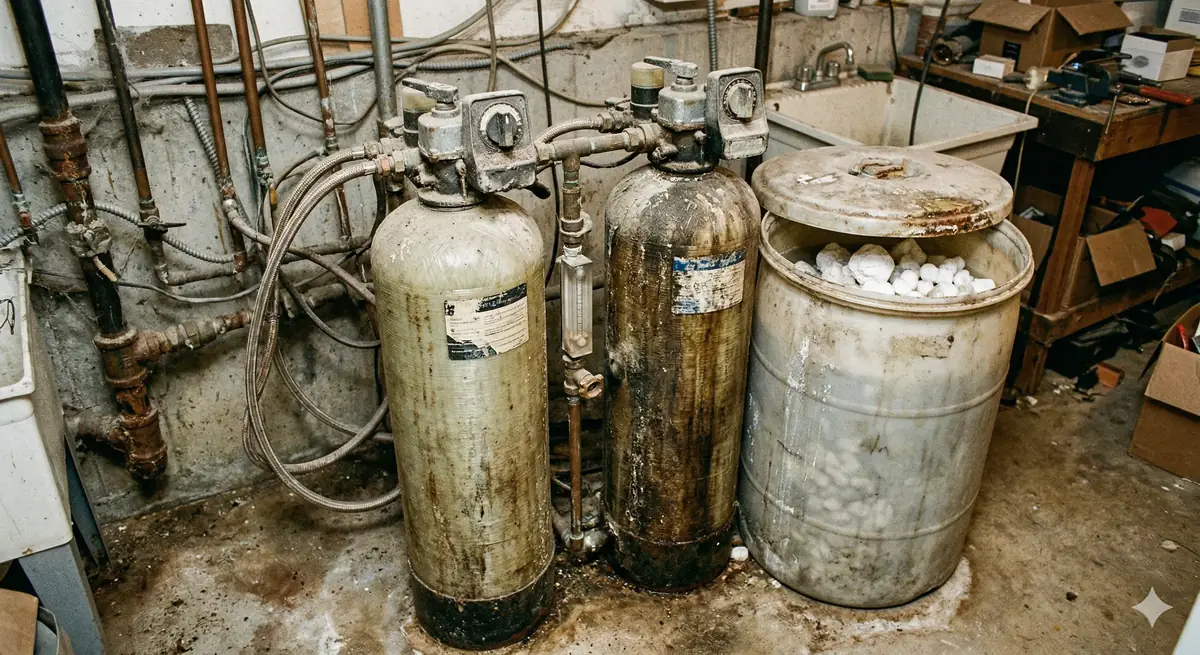
It's important to understand that "lifespan" here refers to the entire unit functioning effectively. Individual components fail at different rates — the resin bed may last 10–15 years, control valves 15–20 years, and the mineral tank itself can last 20–30 years since it's essentially just a fiberglass-lined pressure vessel with no moving parts.
Factors That Affect How Long a Water Softener Lasts
Not all water softeners age at the same rate. Understanding what accelerates degradation helps you protect your investment. Here are the key factors:
1. Water Hardness Level
This is the single biggest factor. Water hardness is measured in grains per gallon (gpg). The harder your water, the harder your softener works:
- Slightly hard (1–3.5 gpg) — softener cycles less frequently, resin lasts longer
- Moderately hard (3.5–7 gpg) — average demand on the system
- Hard (7–10.5 gpg) — increased cycling and salt usage
- Very hard (10.5–17.5 gpg) — heavy demand; resin degrades significantly faster
- Extremely hard (17.5+ gpg) — the harshest conditions; may cut lifespan by 30–40%
A household with 25 gpg water will burn through resin roughly twice as fast as a home with 10 gpg water, all else being equal. If you have very hard water, investing in a higher-capacity softener with more resin extends the intervals between regeneration cycles and reduces wear.
2. Daily Water Usage
The average U.S. household uses 80–100 gallons of water per day. A family of five using 150+ gallons daily forces the softener to regenerate more frequently — each regeneration cycle stresses the resin and uses mechanical components. Larger families should size up their softener accordingly.
3. Iron and Sediment in the Water
Iron is the silent killer of water softener resin. Even low levels of iron (0.3+ ppm) foul the resin beads over time, coating them with iron deposits that reduce their ability to exchange hardness minerals. Ferrous (clear water) iron at moderate levels can be handled by a properly maintained softener, but ferric (red water) iron and iron bacteria require a dedicated iron filter before the softener, or the resin will fail prematurely.
Sediment (sand, silt) physically damages resin beads through abrasion. If your well water has visible sediment, install a 5-micron sediment pre-filter to protect the softener.
4. Salt Quality
The type of salt you use directly impacts how long your water softener lasts and how clean the brine tank stays:
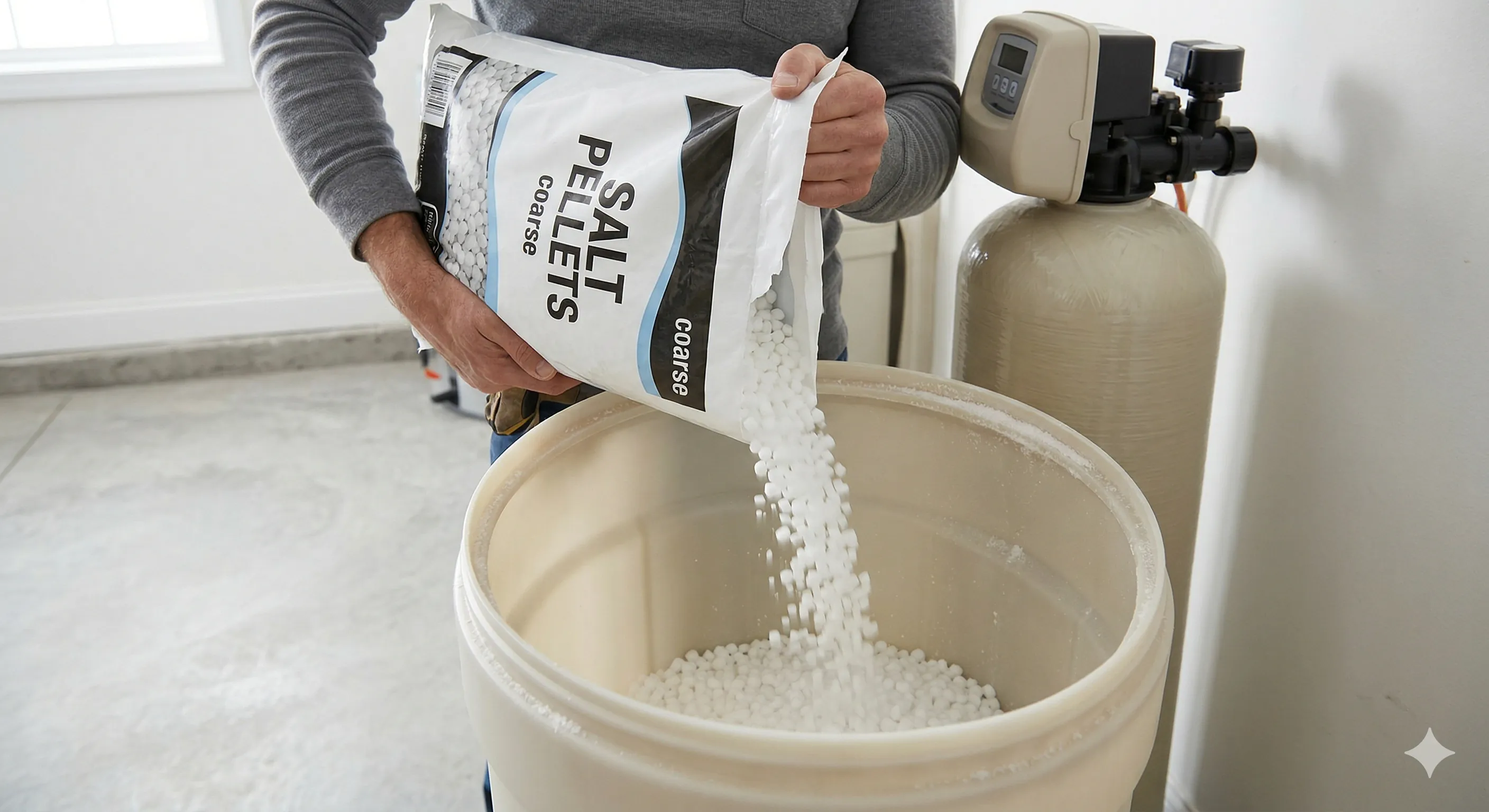
- Evaporated salt pellets (99.9% pure) — the best choice. Dissolves cleanly with minimal residue, preventing salt bridges and mushing.
- Solar salt (crystals) — 99.5% pure. Slightly more residue than evaporated but still a solid choice.
- Rock salt (cheapest) — 95–98% pure. Contains insoluble minerals that accumulate as sludge in the brine tank. Using rock salt exclusively will shorten your softener's life and require more frequent brine tank cleanings.
The price difference between rock salt and evaporated pellets is nominal ($5–$8 vs. $6–$10 per 40-lb bag), but the long-term impact on your softener is significant. Spending an extra $20 per year on better salt can save you $800+ in premature resin replacement.
5. Maintenance (or Lack Thereof)
A water softener that receives zero maintenance will typically fail 3–5 years earlier than one that's properly cared for. The most impactful maintenance tasks (covered in detail below) include annual brine tank cleaning, periodic resin sanitization, and keeping salt levels appropriate.
6. Chlorine Exposure
Municipal water supplies contain chlorine (typically 0.5–2 ppm) for disinfection. Standard water softener resin (polystyrene) is damaged by chlorine exposure over time — the chlorine oxidizes the resin beads, causing them to become brittle and break apart. If you're on heavily chlorinated city water, a whole-house carbon pre-filter before the softener protects the resin and can extend its life by several years.
Lifespan by Water Softener Type
| Type | Average Lifespan | Typical Cost | Key Advantages |
|---|---|---|---|
| Standard Ion Exchange (single tank) | 10–15 years | $500–$1,500 | Affordable, widely available, easy to repair |
| Twin-Tank (alternating) | 15–20 years | $1,500–$3,000 | Continuous soft water, less resin stress per tank |
| Non-Electric (Kinetico-style) | 20+ years | $2,000–$5,000 | No electronics to fail, metered by water flow |
| Salt-Free Conditioner | N/A (media lasts 5–6 years) | $800–$2,000 | No salt, no drain; doesn't truly "soften" water |
| Magnetic/Electronic | Indefinite (no consumables) | $200–$600 | Zero maintenance; effectiveness debated by experts |
Important note about salt-free "softeners": These are technically water conditioners, not softeners. They use Template Assisted Crystallization (TAC) or other methods to change the structure of hardness minerals so they don't stick to surfaces, but they don't remove the minerals from the water. A true ion-exchange water softener is the only system that genuinely produces soft water (0 gpg hardness).
Signs Your Water Softener Is Failing
How do you know when your water softener is reaching the end of its useful life? Watch for these warning signs:
- Hard water symptoms return — soap scum on shower doors, spots on dishes, dry/itchy skin, and stiff laundry. This is the most obvious sign that your softener isn't removing hardness minerals effectively.
- Increased salt consumption — if your softener is suddenly using more salt without any change in your water usage, it may be regenerating more frequently because the resin is losing capacity.
- Salt bridges or mushing — a hard crust forming across the top of the salt in the brine tank (salt bridge) or a sludge layer at the bottom (mushing) prevents proper brine solution creation. While these can be fixed, frequent recurrence indicates underlying issues.
- Water tastes or smells different — a sulfur/rotten egg smell or metallic taste from softened water suggests the resin is contaminated or breaking down.
- Resin beads in the plumbing — if you see tiny amber or tan beads in your faucet aerators, toilet tanks, or washing machine filters, the resin tank's internal distributor tube or bottom basket has failed, releasing resin into your water lines.
- The unit is cycling constantly — a softener that regenerates daily or multiple times per day (when it used to regenerate every 3–5 days) has likely lost significant resin capacity.
- Error codes or timer failures — on electronic valve models, repeated error codes, failure to keep time, or the unit not regenerating on schedule suggests the control valve is failing.
- Visible rust or corrosion — rust on the valve head, connections, or tank exterior indicates the unit is deteriorating physically.
You can confirm whether your softener is still working by testing the treated water with an inexpensive water hardness test kit ($8–$15 on Amazon). Properly softened water should read 0 gpg. If it reads above 3–5 gpg, something is wrong.
How to Extend Your Water Softener's Life
Consistent maintenance is the difference between a water softener that dies at year 8 and one that runs strong at year 18. Here are the most effective steps:
Use High-Purity Salt
Switch to evaporated salt pellets if you aren't already using them. They dissolve cleanly, create fewer deposits, and reduce brine tank maintenance. The small price premium pays for itself in longevity. Learn more about how often to add salt to your water softener.
Clean the Brine Tank Annually
Once a year, let the salt level drop low, then scoop out remaining salt, disconnect the brine line, and wash the tank interior with soapy water. Rinse thoroughly, check the brine well tube and float for proper operation, and refill with fresh salt. This prevents salt bridges, mushing, and sediment buildup that reduce regeneration efficiency.
Sanitize the Resin Bed
Every 6–12 months, pour a water softener resin cleaner (like Iron Out or Res-Up) into the brine well and run a manual regeneration cycle. This strips accumulated iron, manganese, and organic fouling from the resin beads, restoring their exchange capacity. This single step can extend resin life by 30–50%.
Keep Salt at the Right Level
Maintain salt at least 3–4 inches above the water level in the brine tank, but don't overfill it. Overfilling promotes salt bridges. A good rule: keep the tank about one-third to one-half full at all times.
Install a Pre-Filter
If your water source (especially well water) contains iron, sediment, or high chlorine levels, install appropriate pre-filtration. A 5-micron sediment filter costs $30–$50 and protects the resin from physical abrasion. An iron filter (for iron above 0.5 ppm) prevents iron fouling. A whole-house carbon filter removes chlorine that degrades resin.
Schedule Professional Servicing
Every 2–3 years, consider having a water treatment professional inspect the control valve, check the resin bed condition, verify the brine draw, and test your water hardness. A $100–$150 service call can catch problems early and prevent a $1,500+ premature replacement.
When to Replace the Resin Bed
The resin bed is the heart of your water softener. It's where the actual ion exchange happens — hardness minerals (calcium and magnesium) swap places with sodium ions on the resin beads. Over thousands of regeneration cycles, the resin gradually loses its ability to hold sodium ions effectively.
Typical resin lifespan: 10–15 years. However, this varies significantly based on the factors listed above. Here's when to replace it:
- Your softener is 10+ years old and producing partially soft water even after servicing
- You've had the resin cleaned professionally and it still doesn't restore full capacity
- You find broken resin beads (fragments, not whole spheres) in the tank or plumbing
- Iron fouling is severe and repeated cleanings don't resolve it
Cost of resin replacement: $150–$300 for DIY (resin + riser tube if needed) or $300–$600 for professional installation. Compare this to $800–$2,000+ for a complete new system — if the control valve and tank are still in good condition, replacing just the resin can give you another 10–15 years of service at a fraction of the cost.
Repair vs. Replace: When Each Makes Sense
Repair Is Worth It When:
- The unit is less than 10 years old and the issue is a single component (valve motor, piston seal, brine valve, timer board)
- The repair costs less than 50% of a new equivalent system
- The mineral tank is in good condition with no cracks, corrosion, or structural damage
- The resin bed still tests as effective after a thorough cleaning
Replace Is the Better Choice When:
- The unit is 12+ years old with multiple failing components
- Repair costs exceed 50% of a new system
- The resin is degraded beyond recovery
- The control valve is an obsolete model with unavailable parts
- Your water needs have changed (larger family, different water source) and the current unit is undersized
- You want to upgrade to a more efficient, metered system from an older timer-based unit
Modern metered softeners are significantly more efficient than timer-based models from 15–20 years ago. They regenerate based on actual water usage, not a fixed schedule, saving 30–50% on salt and water used for regeneration. The upgrade alone often justifies replacement.
Water Softener Replacement Costs in 2026
| System Type | Equipment Cost | Professional Installation | Total Installed |
|---|---|---|---|
| Basic single-tank (24K–32K grain) | $400–$800 | $200–$500 | $600–$1,300 |
| Mid-range single-tank (48K–64K grain) | $700–$1,200 | $200–$500 | $900–$1,700 |
| Premium single-tank (high-efficiency valve) | $1,000–$1,800 | $300–$600 | $1,300–$2,400 |
| Twin-tank alternating | $1,500–$2,500 | $300–$600 | $1,800–$3,100 |
| Non-electric (Kinetico-style) | $2,000–$4,000 | $300–$800 | $2,300–$4,800 |
| DIY install (equipment only) | $400–$1,500 | $0 (your labor) | $400–$1,500 |
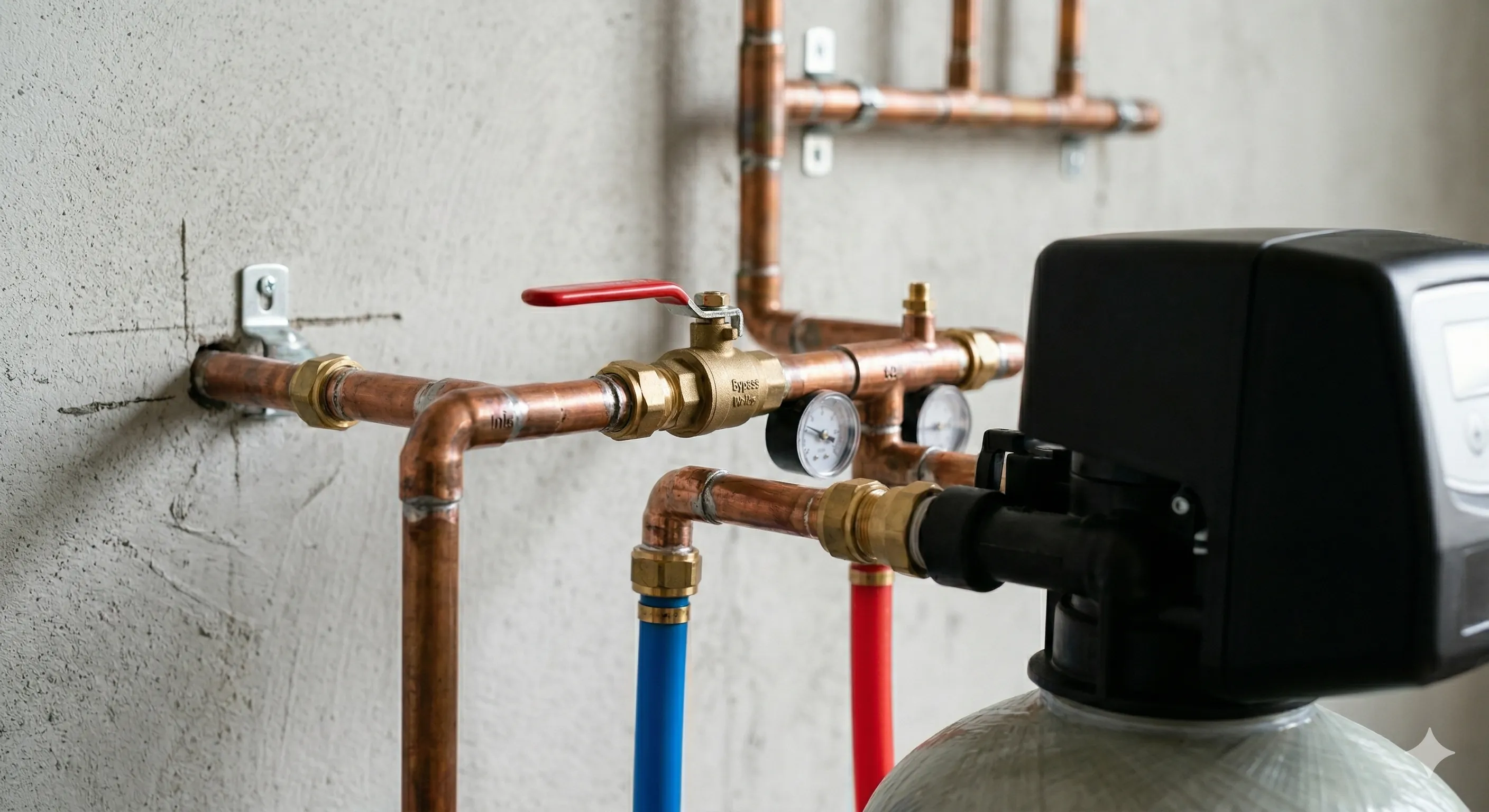
If you're handy, connecting a water softener yourself can save $200–$600 in installation costs. The plumbing is straightforward — you're essentially cutting into the main water line after the pressure tank (for well systems) or main shut-off (for city water) and connecting the softener's inlet and outlet with flexible connectors or soldered copper.
Want to learn more about your home's water system?
Read Our Complete Water Systems Guide →Frequently Asked Questions
More Water Systems Guides
You May Also Like
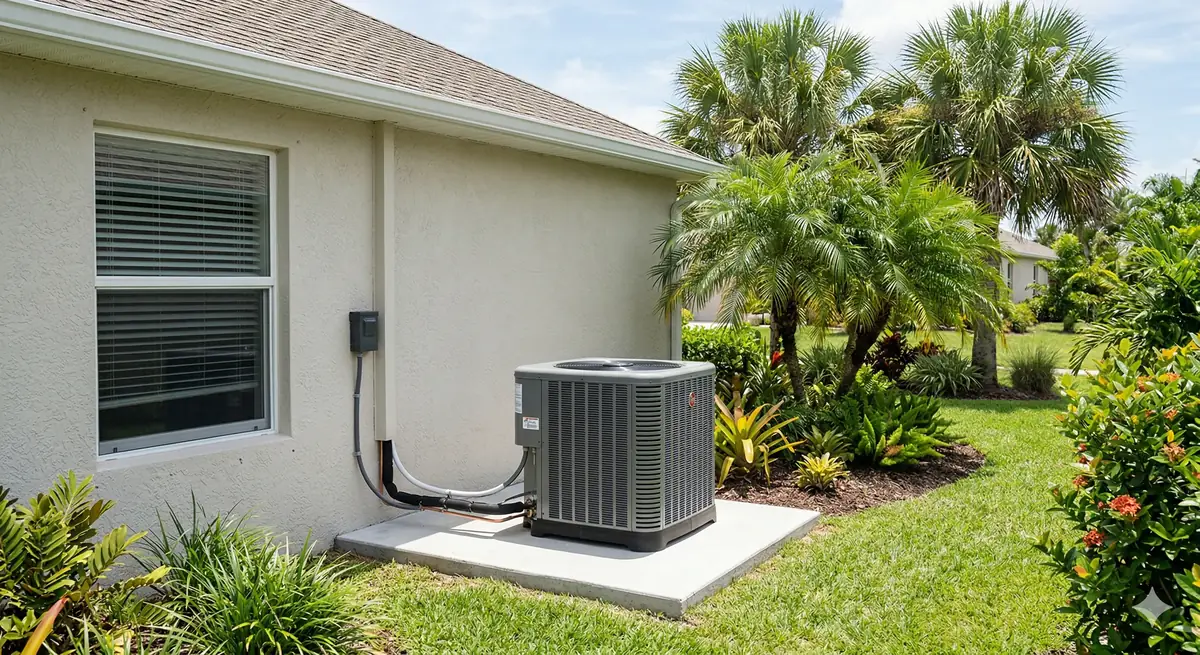
How Long Do AC Units Last in Florida
Florida AC lifespan data, climate factors that shorten unit life, and signs your AC needs replacing.
How to Fix Short Cycling Air Conditioner
Diagnose and fix an AC that keeps turning on and off. Common causes from dirty filters to bad capacitors.
How to Unclog Plumbing Vent
Clear a clogged plumbing vent pipe from the roof. Symptoms, tools needed, and step-by-step process.
How Much Does a Plumber Charge to Unclog a Toilet
Plumber costs for toilet unclogging by method. DIY alternatives and when you actually need a professional.
Disclaimer: This content is for informational purposes only. Always consult a licensed plumber or water treatment professional for your specific water conditions. HouseFixGuide may earn a commission from links on this page.