How Long Do AC Units Last in Florida?
- Florida AC Lifespan by the Numbers
- Why AC Units Die Faster in Florida
- Lifespan by AC System Type
- Lifespan by Brand
- Signs Your AC Is Nearing End of Life
- Repair vs. Replace: The $5,000 Rule
- How to Extend Your AC's Lifespan in Florida
- Replacement Cost in Florida (2026)
- New AC Efficiency Savings
- Frequently Asked Questions
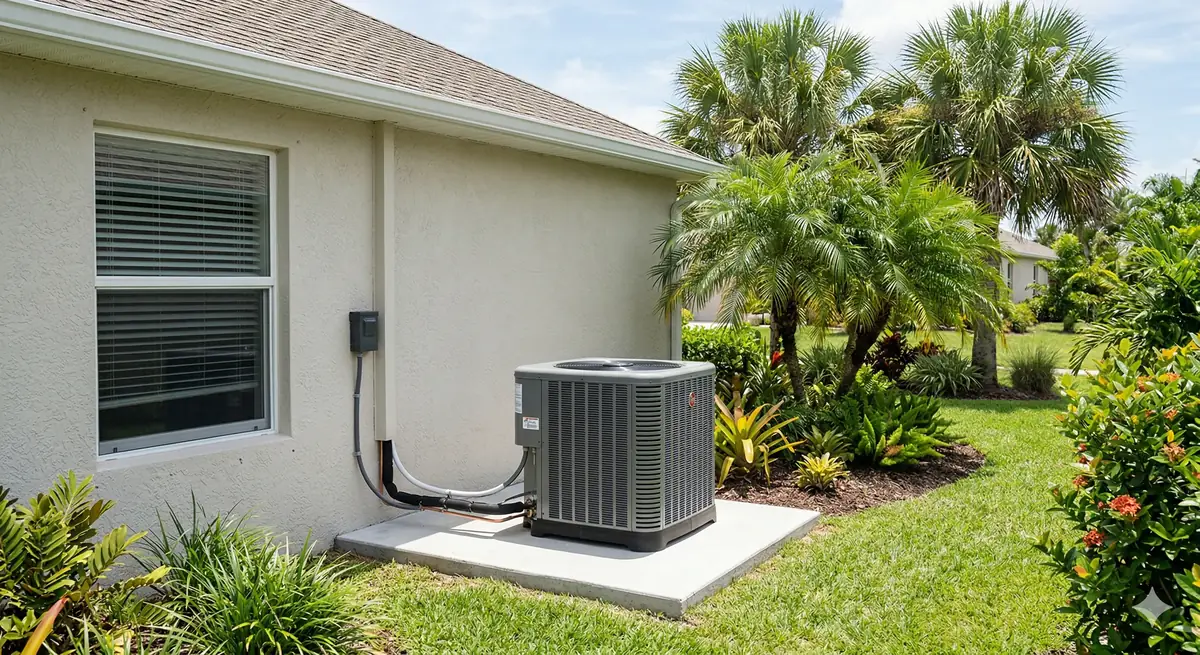
Living in Florida means your air conditioner isn't a luxury — it's a survival tool. From April through October (sometimes November), your AC runs almost continuously, battling heat indices above 100°F and humidity levels that can turn your home into a sauna within hours of a system failure.
The question every Florida homeowner eventually faces is: how long do AC units last in Florida? The answer is sobering compared to what manufacturers advertise, but understanding the reality helps you plan ahead financially and avoid being caught in the middle of August with a dead system and a 2-week wait for installation.
Florida AC Lifespan by the Numbers
| Climate Zone | Average AC Lifespan | Annual Operating Hours |
|---|---|---|
| Northern US (mild) | 15–20 years | 1,000–1,500 hours |
| Mid-Atlantic / Midwest | 12–17 years | 1,500–2,200 hours |
| Southeast (GA, SC, NC) | 10–15 years | 2,200–2,800 hours |
| Florida (inland) | 10–14 years | 2,800–3,200 hours |
| Florida (coastal) | 8–12 years | 3,000–3,500 hours |
| Arizona / Nevada (dry heat) | 12–15 years | 2,000–2,800 hours |
The key number is operating hours. A Florida AC runs roughly 2–3× more hours per year than an AC in the northern US. Think of it like a car: a vehicle with 200,000 miles has more wear than one with 80,000 miles, regardless of age. Your Florida AC is racking up the equivalent of highway miles every day.
Why AC Units Die Faster in Florida
1. Near Year-Round Operation
In most of the US, AC units get 4–5 months of rest during fall and winter. In Florida, the AC runs 8–10 months per year, and even in the "cool" months (December–February), it cycles on and off regularly. The compressor — the most critical and expensive component — never gets a meaningful off-season to rest and shed heat stress.
2. Extreme Humidity (The Real Killer)
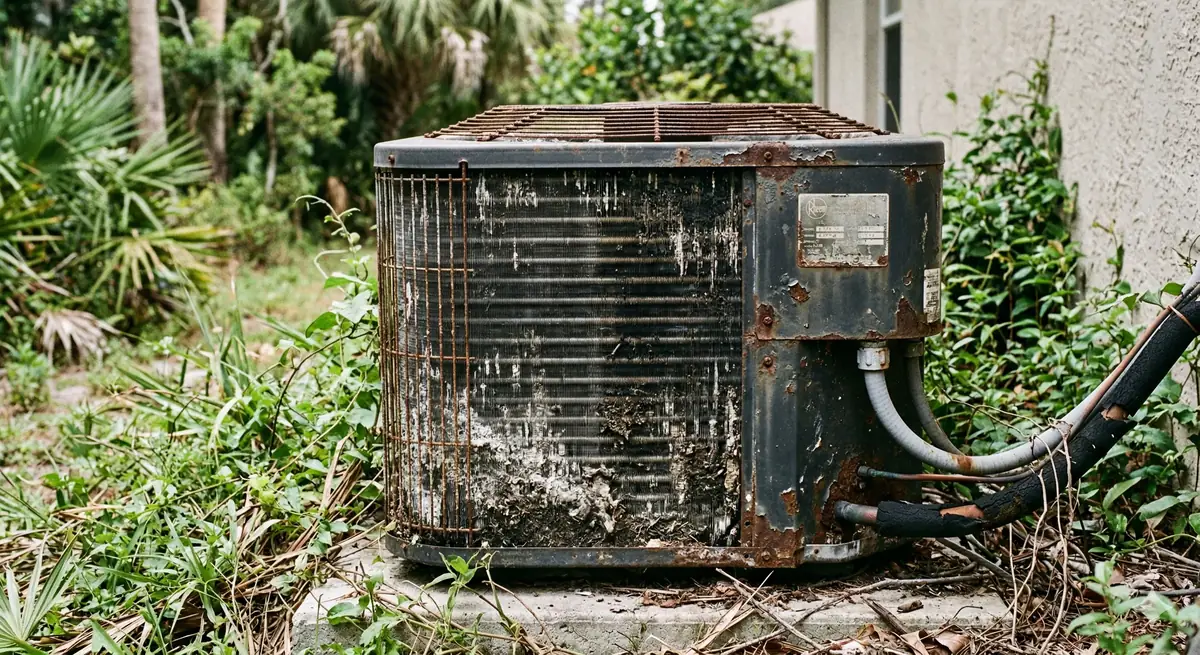
Florida's humidity is typically 70–90% during summer months. Your AC isn't just cooling the air — it's doing double duty as a dehumidifier, removing 5–20 gallons of water from the air per day. This constant moisture extraction puts enormous stress on the evaporator coil, drain system, and blower motor. Mold and algae growth in a wet environment are perpetual threats to the drain line and coil.
3. Salt Air Corrosion (Coastal Areas)
If you live within 10–15 miles of the coast, salt-laden air corrodes the aluminum fins, copper tubing, and electrical connections on the outdoor condenser unit. The coils develop microscopic pinholes that leak refrigerant. The contactor, capacitor, and wiring corrode faster. This is why coastal Florida units average 8–12 years versus 10–14 inland.
4. Intense UV Exposure
Florida's tropical sun degrades plastic components, rubber gaskets, and wire insulation on the outdoor unit faster than in northern climates. UV-degraded wire insulation exposes copper conductors, leading to shorts and component failures.
5. Lightning and Power Surges
Central Florida is the lightning capital of the US. Even indirect strikes can send power surges through the electrical system that damage the AC's control board, compressor start components, or thermostat. Multiple surge events over years accumulate damage even when no single event causes an immediate failure.
Lifespan by AC System Type in Florida
| System Type | Florida Lifespan | National Average |
|---|---|---|
| Central split system (most common) | 10–14 years | 15–20 years |
| Heat pump | 8–12 years | 12–15 years |
| Package unit (all-in-one) | 8–12 years | 12–15 years |
| Ductless mini-split | 12–18 years | 15–20 years |
| Window unit | 5–8 years | 8–12 years |
Mini-splits hold up best in Florida because their smaller, individual compressors run more efficiently, they don't lose cooled air through ductwork (duct losses in a hot Florida attic can reach 30%), and they can be placed under covered areas away from direct sun and salt exposure.
Lifespan by Brand (Florida Performance)
Based on HVAC technician surveys and warranty claim data in the Florida market:
| Tier | Brands | Expected Florida Lifespan | Warranty |
|---|---|---|---|
| Premium | Trane, Carrier, Lennox | 12–15 years | 10-year parts (registered) |
| Mid-Range | Rheem, Ruud, York, Amana | 10–13 years | 10-year parts (registered) |
| Budget | Goodman, Daikin (entry-level) | 8–12 years | 10-year parts (registered) |
Important caveat: Installation quality matters more than brand in Florida. A budget Goodman unit installed properly with correct sizing, sealed ductwork, and proper refrigerant charge will often outlast a premium Trane unit that was oversized, has leaking ducts, or was improperly charged. Always prioritize installer quality over brand name.
Signs Your AC Is Nearing End of Life
- Age 10+ years — if your Florida AC is over 10, start budgeting for replacement. Over 12, be prepared for it to fail anytime.
- Rising energy bills — a 20–40% increase in cooling costs (with similar weather) indicates declining efficiency
- Frequent repairs — if you're calling for service more than twice a year, the cumulative repair costs are approaching replacement value
- Compressor or evaporator coil failure — these repairs cost $1,500–$3,500. On a unit over 8 years old, this repair usually doesn't make financial sense.
- R-22 refrigerant — if your unit uses R-22 (Freon), which was phased out in 2020, replacement is strongly recommended. R-22 now costs $50–$150 per pound (a full charge can be $800–$2,500), and supply will only decrease.
- Unit can't keep up — if the AC runs continuously but can't keep the house below 78°F during peak summer heat, it's either undersized (installation issue) or losing capacity (age-related decline)
- Strange noises — grinding, screeching, banging, or clicking sounds indicate worn bearings, loose hardware, or failing compressor valves
- Ice on the coils — recurring ice formation on the evaporator coil indicates low refrigerant (possible leak), restricted airflow, or a failing compressor
Repair vs. Replace: The $5,000 Rule
HVAC professionals use a simple formula to decide between repair and replacement:
Unit Age × Repair Cost = Decision Number
- If the result is under $5,000 → repair
- If the result is $5,000 or over → replace
Examples:
- 5-year-old unit, $400 repair → 5 × 400 = $2,000 → Repair
- 8-year-old unit, $600 repair → 8 × 600 = $4,800 → Repair (borderline)
- 10-year-old unit, $600 repair → 10 × 600 = $6,000 → Replace
- 12-year-old unit, $500 repair → 12 × 500 = $6,000 → Replace
This rule accounts for the fact that older units are less efficient, more likely to fail again soon, and parts become harder to source. A repair that keeps a 12-year-old unit running for 18 more months is rarely worth it — you're delaying an inevitable replacement and paying repair costs plus the higher energy bills of an aging system.
How to Extend Your AC's Lifespan in Florida
- Professional maintenance twice per year — once before summer (March–April), once before winter (October–November). A maintenance visit includes cleaning coils, checking refrigerant charge, inspecting electrical connections, cleaning the drain line, and testing capacitors. Cost: $80–$150 per visit.
- Change the air filter monthly during peak cooling season (April–October). Florida's high pollen, humidity, and continuous AC operation clog filters faster than moderate climates. A clogged filter restricts airflow, freezes the coil, and overworks the compressor.
- Keep the outdoor unit clear — maintain 2 feet of clearance from plants, fences, and debris on all sides. Trim vegetation quarterly. Keep the coil fins clean with a garden hose rinse every 2–3 months.
- Install a surge protector — a whole-home surge protector ($300–$500 installed) protects the AC's control board and compressor from lightning-induced power surges. Given Florida's lightning frequency, this is a mandatory investment.
- Flush the drain line monthly — pour 1/4 cup of distilled white vinegar or a commercial drain line treatment through the access port on the drain line. Florida's humidity creates algae and slime buildup that clogs the drain, backs up water into the air handler, and can shut the system off via the safety float switch.
- Run the AC on "auto" not "on" — the "on" setting runs the blower continuously, which can reintroduce moisture the coils just removed (the wet coil re-evaporates moisture into the air between cycles). "Auto" lets the blower stop when the compressor stops, allowing proper dehumidification.
- Consider a UV light for the coil — a UV germicidal light ($200–$400 installed) mounted near the evaporator coil prevents mold and biological growth, which is particularly beneficial in Florida's humid environment
AC Replacement Cost in Florida (2026)
| System Type | Unit Cost | Installation | Total |
|---|---|---|---|
| Central AC (14 SEER2, budget) | $2,000–$3,500 | $2,000–$3,500 | $4,000–$7,000 |
| Central AC (16 SEER2, mid-range) | $3,000–$5,000 | $2,500–$4,000 | $5,500–$9,000 |
| Central AC (18+ SEER2, premium) | $4,500–$8,000 | $3,000–$5,000 | $7,500–$13,000 |
| Heat pump (16 SEER2) | $3,500–$6,000 | $2,500–$4,500 | $6,000–$10,500 |
| Ductless mini-split (single zone) | $1,500–$3,000 | $1,000–$2,000 | $2,500–$5,000 |
| Ductless mini-split (multi-zone, 3–4) | $4,000–$8,000 | $2,000–$4,000 | $6,000–$12,000 |
Florida-specific considerations: Always choose at least 15 SEER2 for Florida. Higher SEER2 ratings pay for themselves faster in Florida than anywhere else due to the extreme operating hours. A 16 SEER2 unit saves approximately $200–$400 per year over a 14 SEER2 in a typical Florida home, making the payback period 3–5 years on the price difference.
New AC Efficiency Savings in Florida
Florida homeowners spend an average of $2,400–$3,600 per year on cooling. Upgrading from an old 10 SEER unit to a modern system yields significant savings:
| Old SEER → New SEER2 | Estimated Annual Savings | 10-Year Savings |
|---|---|---|
| 10 SEER → 14 SEER2 | $500–$900 | $5,000–$9,000 |
| 10 SEER → 16 SEER2 | $700–$1,100 | $7,000–$11,000 |
| 10 SEER → 20 SEER2 | $900–$1,400 | $9,000–$14,000 |
| 13 SEER → 16 SEER2 | $300–$500 | $3,000–$5,000 |
In Florida, the efficiency upgrade often pays for the entire AC replacement over the unit's lifespan. This is unique to high-usage climates — in the northern US, efficiency upgrades save far less due to fewer operating hours.
For more HVAC tips, check our complete HVAC guide.
Want to learn more about HVAC systems?
Read Our Complete HVAC Guide →Frequently Asked Questions
More HVAC Guides
You May Also Like
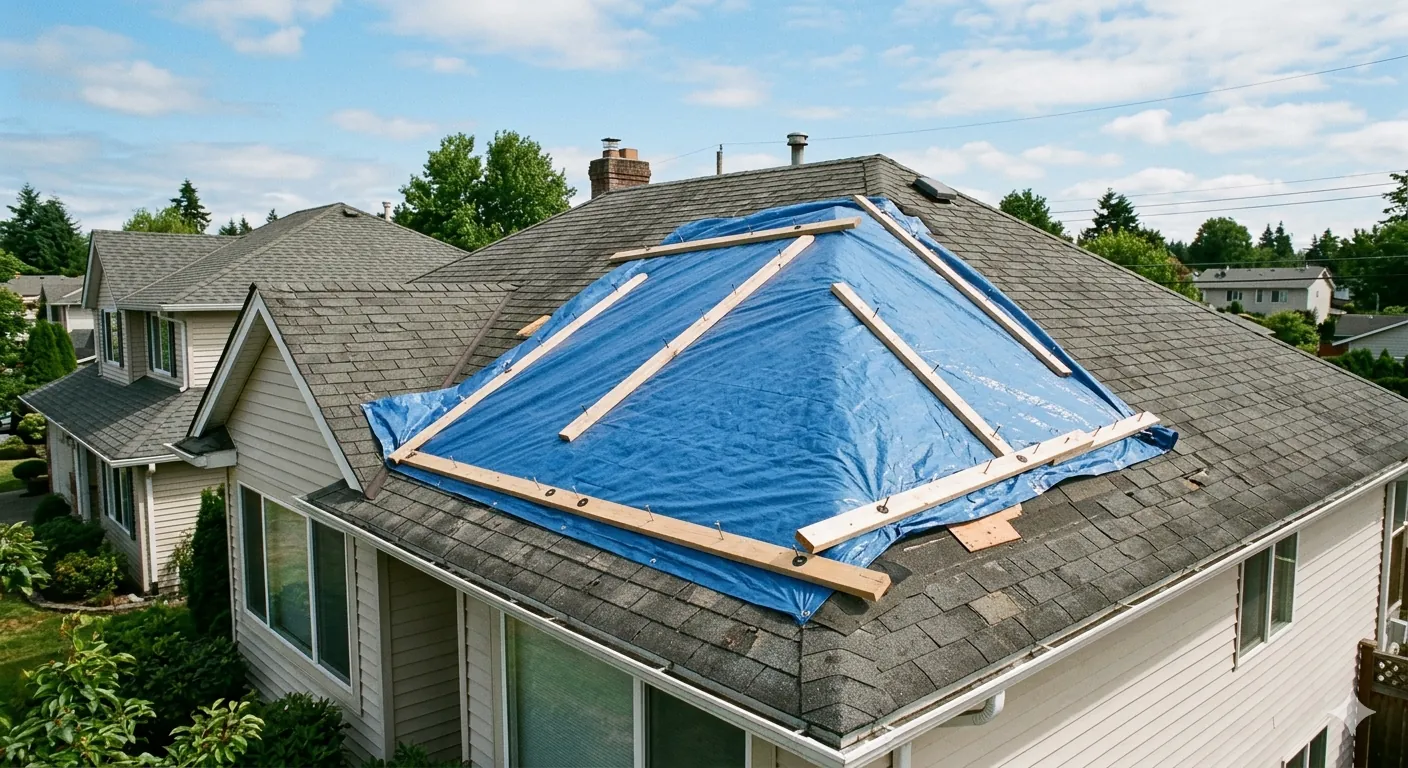
How to Tarp a Roof
Step-by-step guide to emergency roof tarping after storm damage. Protect your home from water damage with proper tarp installation.
How Much Hail Damage to Replace Roof
Learn what level of hail damage qualifies for a full roof replacement through your insurance. Adjuster criteria explained.
How to Measure Windows
Precise window measuring guide for replacements. Width, height, and depth measurements with diagrams.
How to Measure a Door Jamb
Step-by-step door jamb measurement for replacement doors. Get the right fit every time.
Disclaimer: Lifespans and costs are estimates based on industry averages. Actual results depend on maintenance, installation quality, and environmental factors. HouseFixGuide may earn a commission from links on this page.