How Deep Should Fence Posts Be?
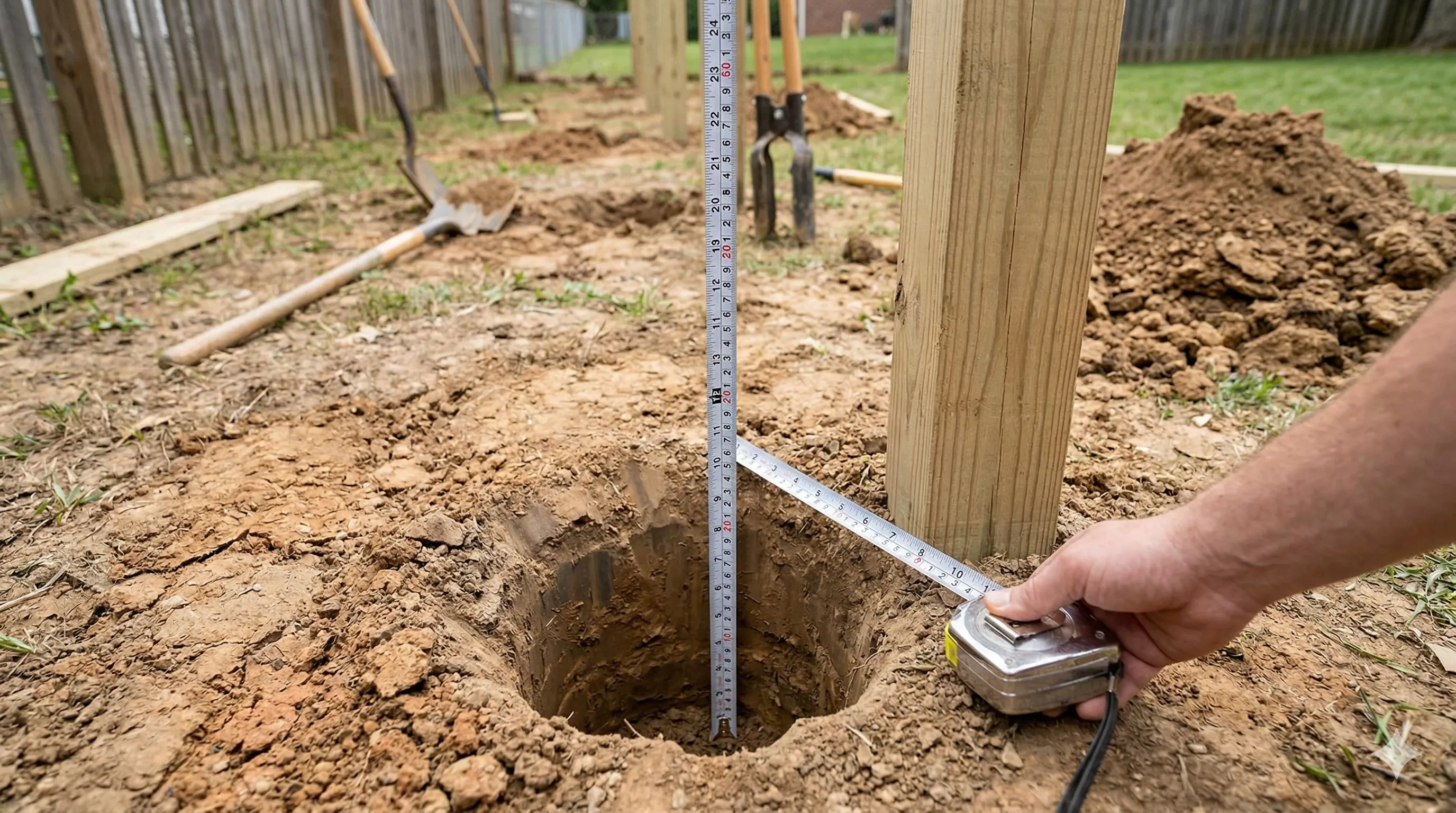
Fence post depth is the single most important factor in fence longevity and stability. Set posts too shallow and the fence will lean, wobble, and eventually fall over — especially in wind, wet soil, or freeze-thaw cycles. Set them too deep and you're wasting time, materials, and money.
This guide covers exactly how deep should fence posts be for every common fence height, soil condition, climate zone, and fence type.
The 1/3 Rule
The universal rule of thumb for fence post depth: bury 1/3 of the total post length underground. This ratio provides the right balance between stability and material efficiency:
- 8-foot post → 2.67 feet underground → 5.33 feet above ground (use for 5–5.5 foot fences)
- 8-foot post → 2 feet underground → 6 feet above ground (minimum for 6-foot fences)
- 10-foot post → 3.33 feet underground → 6.67 feet above ground (use for 6-foot fences in deep frost or loose soil)
The 1/3 rule is a minimum guideline. Several factors may require you to go deeper: frost line depth, loose or sandy soil, high wind exposure, and heavy fence styles (solid privacy panels catch more wind than picket fences).
Post Depth by Fence Height
| Fence Height | Post Length | Minimum Depth | Recommended Depth |
|---|---|---|---|
| 3 feet | 5 feet | 18 inches | 24 inches |
| 4 feet | 6 feet | 24 inches | 24–30 inches |
| 5 feet | 7–8 feet | 24 inches | 30 inches |
| 6 feet | 8 feet | 24 inches | 30–36 inches |
| 7 feet | 10 feet | 30 inches | 36 inches |
| 8 feet | 10–12 feet | 36 inches | 36–42 inches |
How Soil Type Affects Depth
Clay Soil
Clay is dense and grips tightly when compacted, providing excellent lateral stability. Standard depths (24" for a 6-foot fence) work well in clay. However, clay holds moisture against exposed wood and expands/contracts seasonally, which can shift posts. In clay soil, use gravel at the bottom of the hole for drainage, and consider gravel-setting instead of concrete (see below).
Sandy Soil
Sand provides poor lateral stability — posts shift easily. In sandy soil, increase depth by 6–12 inches beyond the standard recommendation, use wider holes (12 inches instead of 9), and always set in concrete. Sandy soil drains well, so moisture rot is less of a concern.
Rocky Soil
Rocks make digging difficult but provide excellent stability once the post is set. You may need to rent a rock bar or jackhammer. If you hit bedrock before reaching target depth, use a surface-mount post bracket anchored to the rock rather than trying to penetrate it.
Loamy Soil (Ideal)
Loam (a mix of clay, sand, and organic material) is the best soil for fence posts — easy to dig, provides good drainage and stability. Standard depths and concrete setting work perfectly.
Frost Line Requirements by Region
In cold climates, fence posts should be set below the frost line — the depth at which the ground freezes in winter. Posts set above the frost line get "frost heaved" — the freezing soil pushes them upward, tilting and destabilizing the fence.
| Region | Frost Line | Minimum Post Depth |
|---|---|---|
| Southern US (FL, TX, AZ, LA) | 0–6 inches | 24 inches (frost not a factor) |
| Mid-Atlantic (VA, NC, TN, KY) | 12–18 inches | 24–30 inches |
| Midwest (OH, IN, IL, MO) | 24–36 inches | 30–36 inches |
| Northeast (NY, PA, NJ, CT) | 36–48 inches | 36–42 inches |
| Northern US (MN, WI, MI, ND) | 42–60 inches | 42–48 inches |
Check your local frost line: Contact your local building department or use the NOAA frost depth map. Your local fence contractor will also know the required depth for your area.
Concrete vs. Gravel Post Setting
Concrete Setting (Most Common)
- Best for: sandy soil, high-wind areas, gate posts, large privacy fences
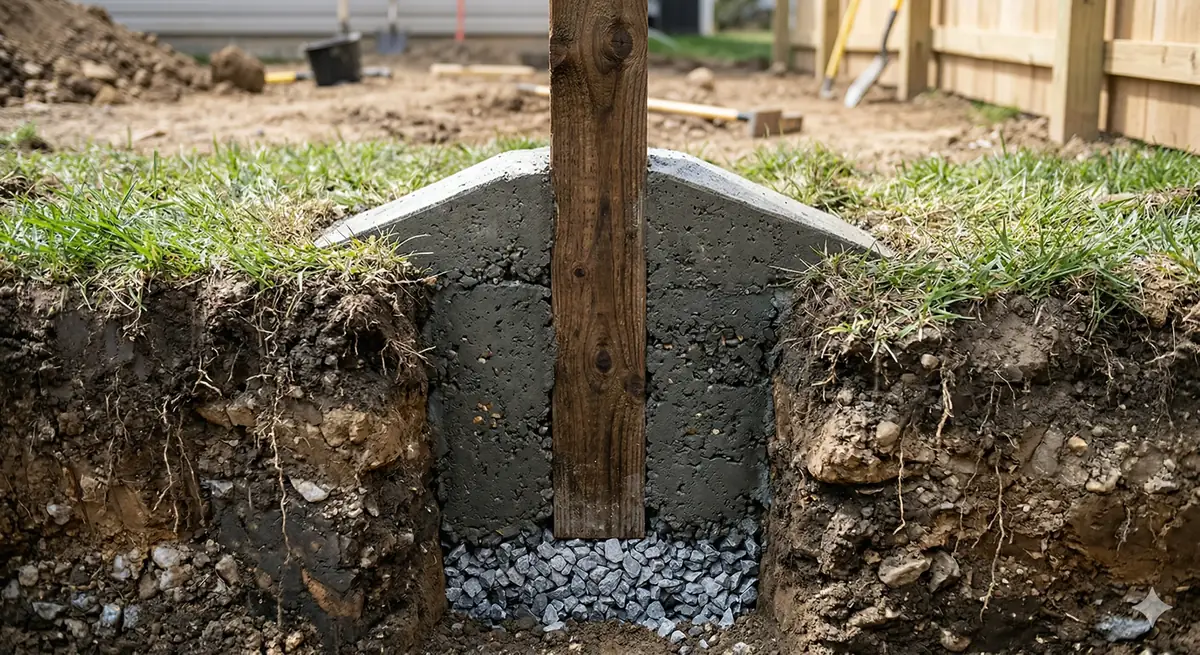
- Process: place 4" of gravel in the bottom for drainage, set the post, pour dry fast-setting concrete (like Quikrete), add water
- Amount: 1–2 bags (50 lb) per post for a 10" diameter, 24" deep hole
- Pros: extremely stable, holds the post rigid, resists wind and impact
- Cons: traps moisture against the post base, harder to replace posts later
Gravel/Crushed Stone Setting
- Best for: clay soil, wet areas, posts that may need future replacement
- Process: fill the entire hole with compacted crushed gravel (not round pea gravel — angular stone locks together)
- Pros: excellent drainage (moisture is the #1 post killer), easy to replace posts, doesn't trap water
- Cons: slightly less rigid than concrete, requires careful compaction in layers
Which to Choose?
For most residential fences, concrete is the standard and the best choice. Use gravel setting if you're in an area with very heavy rainfall, clay soil that stays wet, or if you specifically want easy post replacement in the future.
How to Dig Proper Post Holes
- Call 811 before digging — this free service marks underground utility lines (gas, electric, water, cable). Required by law in all 50 states.
- Mark your post locations — typically 6–8 feet apart, measured center-to-center
- Use a post hole digger or power auger — manual post hole diggers ($30–$50) work for a few holes. A gas-powered auger rental ($40–$80/day) is worth it for 10+ holes.
- Dig to proper depth + 4 inches — the extra 4 inches is for a gravel drainage base at the bottom
- Hole diameter: 3× post width — for 4×4 posts (actual 3.5"), dig 10–12" diameter holes
- Add 4" of gravel at the bottom for drainage
- Set post, level it, brace it before adding concrete or gravel fill
Post Material and Sizing
| Material | Common Sizes | Lifespan (in-ground) |
|---|---|---|
| Pressure-treated pine (PT) | 4×4, 6×6 | 15–25 years |
| Cedar | 4×4, 6×6 | 15–20 years |
| Redwood | 4×4, 6×6 | 20–30 years |
| Steel (galvanized) | 2-3/8" or 2-7/8" round | 30–50+ years |
| Vinyl/PVC (with metal insert) | 4×4, 5×5 | 25–40 years |
| Composite | 4×4 | 25–40 years |
For wood posts: use posts rated for "ground contact" (UC4A or UC4B treatment level). Standard above-ground treated lumber (UC3B) rots quickly when buried.
Common Fence Post Depth Mistakes
- Posts too shallow — the #1 mistake. Posts set only 12–18" deep lean within 1–2 years, especially in wind.
- No gravel drainage base — without gravel under the concrete, water pools at the post base and accelerates rot
- Using round pea gravel — round stones slide and don't compact. Use angular crushed stone (¾" or smaller).
- Setting posts above frost line — leads to frost heave and annual post tilting
- Wrong post material — using above-ground treated wood or untreated wood for in-ground posts leads to rot within 3–5 years
- Holes too narrow — a tight hole doesn't provide enough concrete mass for stability. Width should be 3× post width minimum.
Fence Post Installation Costs
| Item | Cost |
|---|---|
| 4×4 pressure-treated post (8 ft) | $8–$15 each |
| 6×6 pressure-treated post (8 ft) | $20–$35 each |
| Concrete (fast-set, per bag) | $5–$7 each |
| Gravel (per bag) | $4–$6 each |
| Post hole digger (manual) | $30–$50 |
| Power auger rental (per day) | $40–$80 |
| Professional installation (per post) | $20–$50 labor |
For more outdoor project guides, visit our outdoor and decks resource center.
Want to learn more about outdoor projects?
Read Our Complete Outdoor & Decks Guide →Frequently Asked Questions
More Outdoor & Decks Guides
Related Guides
- Planning a gravel path or driveway? See our gravel driveway cost guide
- Compare driveway costs per square foot
You May Also Like
How Thick Should Concrete Be for a Driveway
Proper concrete thickness for driveways by use case. Standard cars, heavy vehicles, and code requirements explained.
How Much Does Concrete Lifting Cost
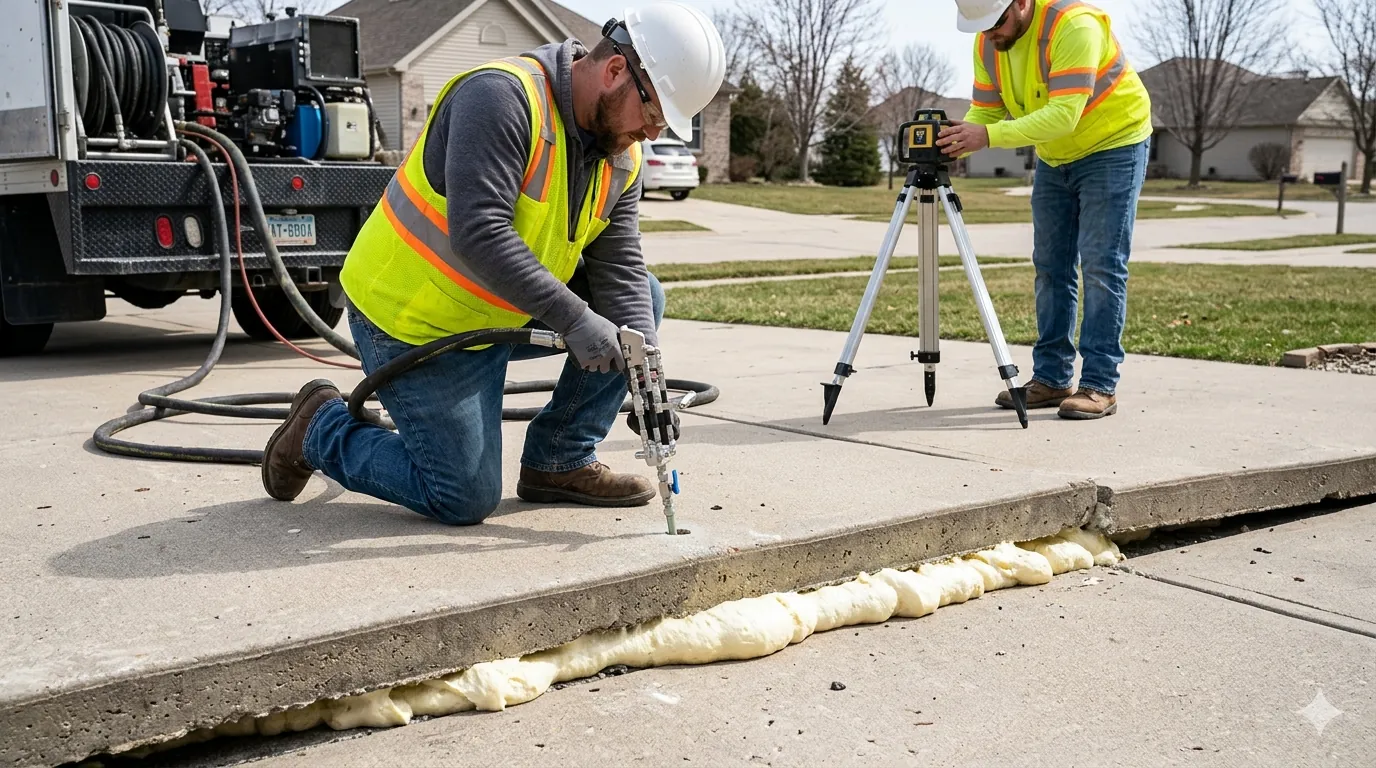
Mudjacking vs foam jacking costs compared. Average prices, when lifting works, and when replacement is better.
How Do Electrical Fires Start
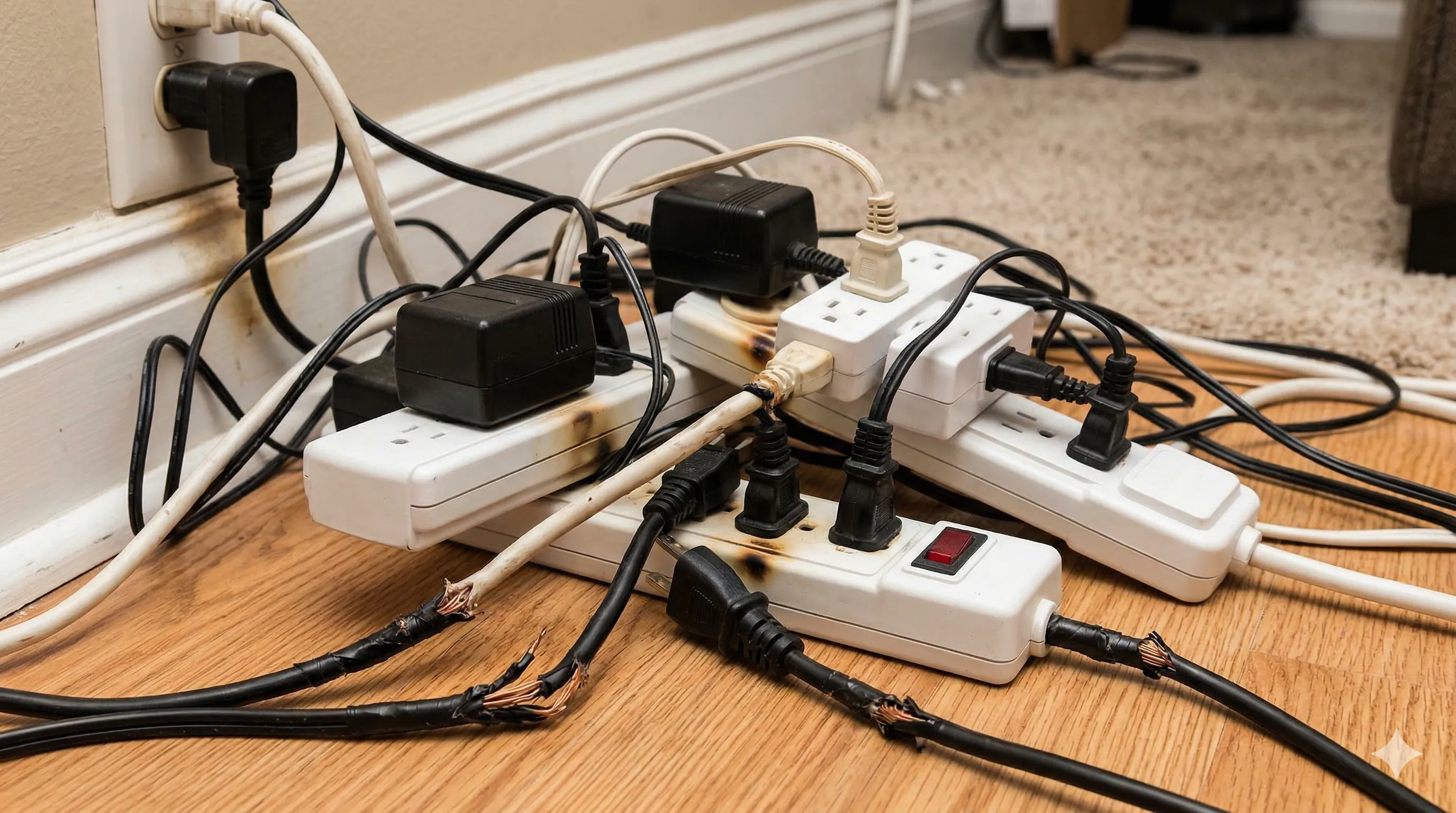
The 10 most common causes of electrical fires in homes. Warning signs, prevention measures, and emergency response.
How Long Do Electrical Panels Last
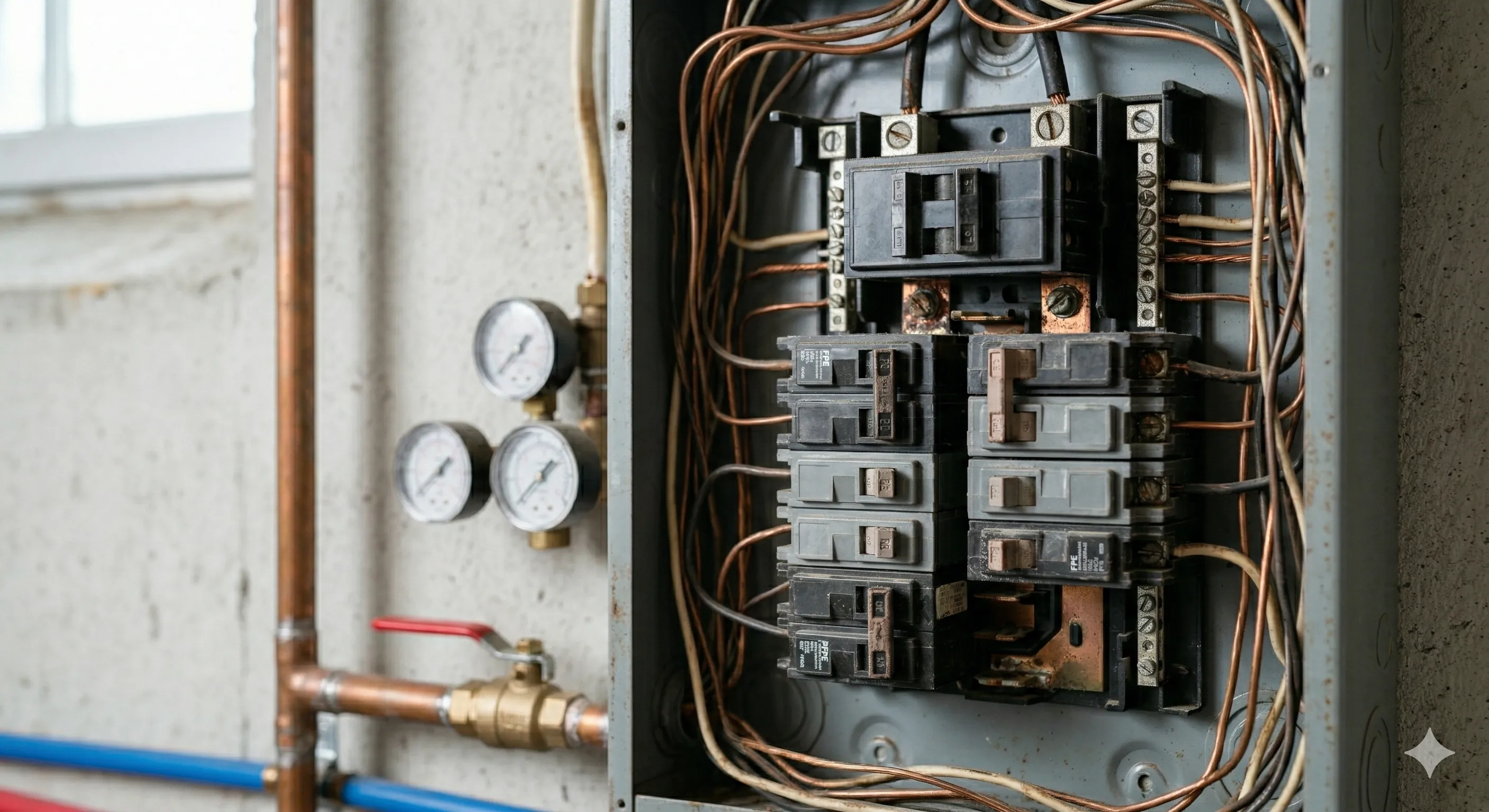
Electrical panel lifespan by type, dangerous recalled brands (FPE, Zinsco), and upgrade costs.
Disclaimer: This content is for informational purposes only. Always call 811 before digging and check local fence codes and HOA regulations. HouseFixGuide may earn a commission from links on this page.