How Do Electrical Fires Start?
Electrical fires cause an estimated 51,000 home fires per year in the United States, resulting in approximately 500 deaths, 1,400 injuries, and $1.3 billion in property damage annually (NFPA data). They're the second leading cause of home fires after cooking — and arguably the most preventable.
Understanding how electrical fires start isn't about learning to cause harm — it's about recognizing the conditions, habits, and warning signs that lead to these fires so you can prevent them. Every cause listed below is preventable with proper awareness and maintenance.
How Electrical Fires Start: The Science
All electrical fires share the same basic mechanism: electrical energy is converted to heat, and the heat ignites nearby combustible materials. This happens through several processes:
- Resistive heating — when current flows through a loose connection, corroded wire, or undersized conductor, electrical resistance generates heat. A loose screw terminal on an outlet can reach 500°F+ — well above the ignition temperatures of wood (400°F) and most plastics (300–500°F).
- Arcing — when electrical current jumps across a gap (broken wire, loose connection, damaged insulation), it creates an arc — a tiny lightning bolt that reaches temperatures of 5,000–10,000°F. This can instantly ignite wood, insulation, and other materials.
- Overheating from overload — when more current flows through a wire than it's rated for, the wire heats up. Circuit breakers are designed to trip before this becomes dangerous, but damaged breakers, bypassed fuses, or slow-developing overloads can allow overheating to build to ignition levels.
10 Most Common Causes of Electrical Fires
1. Faulty or Deteriorated Wiring (~30% of Electrical Fires)
Old wiring is the single biggest cause. Homes built before 1970 may have:
- Knob-and-tube wiring — open-air wiring from the early 1900s. Not inherently dangerous when intact, but 100+ year old insulation crumbles, leaving bare conductors touching wood framing.
- Aluminum wiring (1965–1973) — used during a copper shortage. Aluminum expands/contracts more than copper with heat cycles, loosening connections over time. Homes with aluminum wiring are 55× more likely to have fire-hazard conditions.
- Rodent damage — mice and rats chew through wire insulation, exposing conductors that can arc against metal framing or each other.
2. Overloaded Circuits
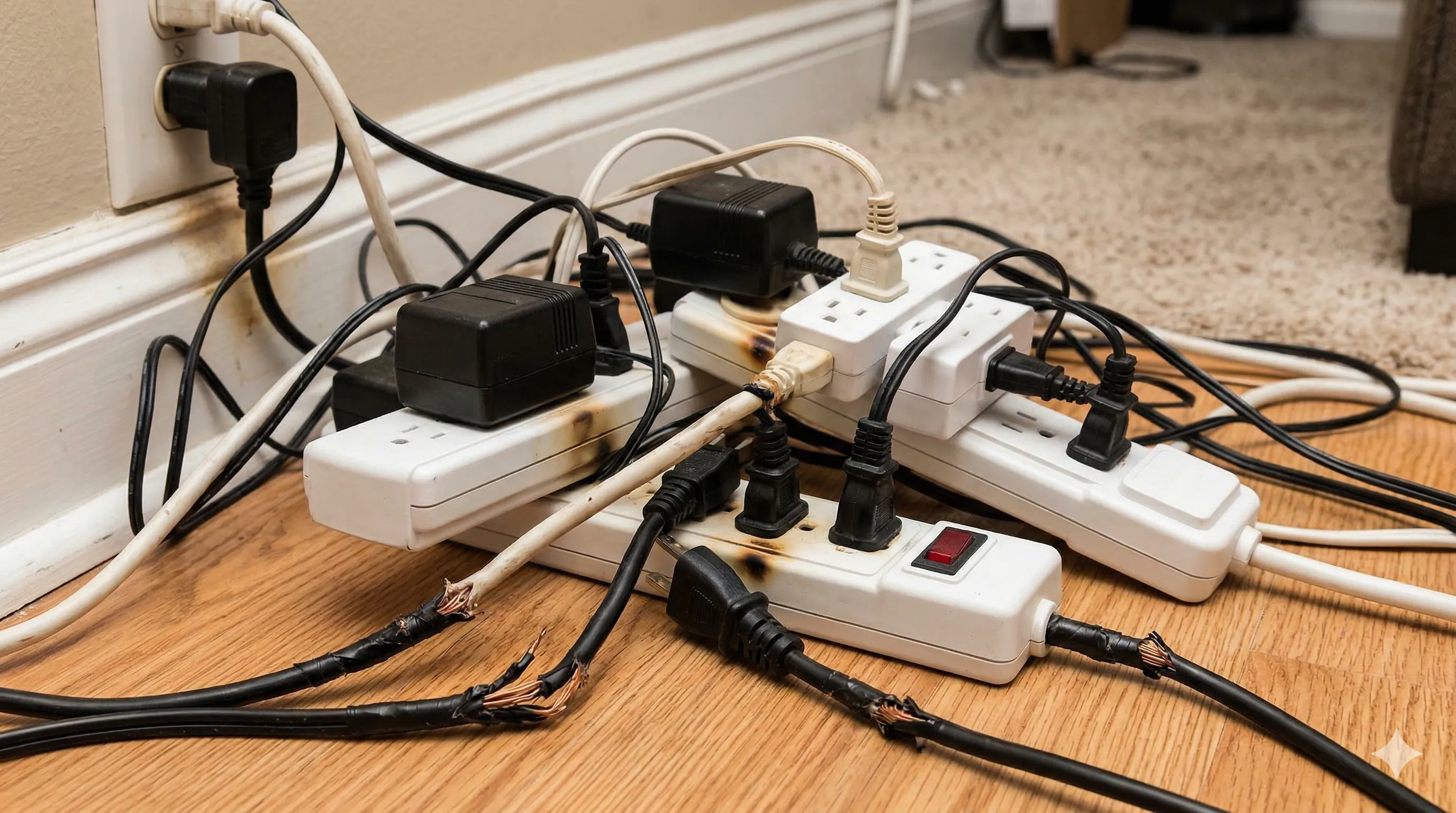
Plugging too many high-draw devices into one circuit exceeds the wiring's amperage capacity. The wire heats up faster than the breaker can respond — especially if the breaker itself is worn or defective. Common overload scenarios: space heater + window AC on the same circuit, or multiple kitchen appliances running simultaneously on a single 15-amp kitchen circuit.
3. Extension Cord Misuse
Extension cords are designed for temporary use, not permanent wiring. Problems arise when:
- Light-duty indoor cords are used for high-draw appliances (space heaters, power tools)
- Cords are run under rugs, through walls, or under doors — heat can't dissipate, and physical damage goes unnoticed
- Daisy-chaining multiple cords or plugging extension cords into power strips
4. Loose Electrical Connections
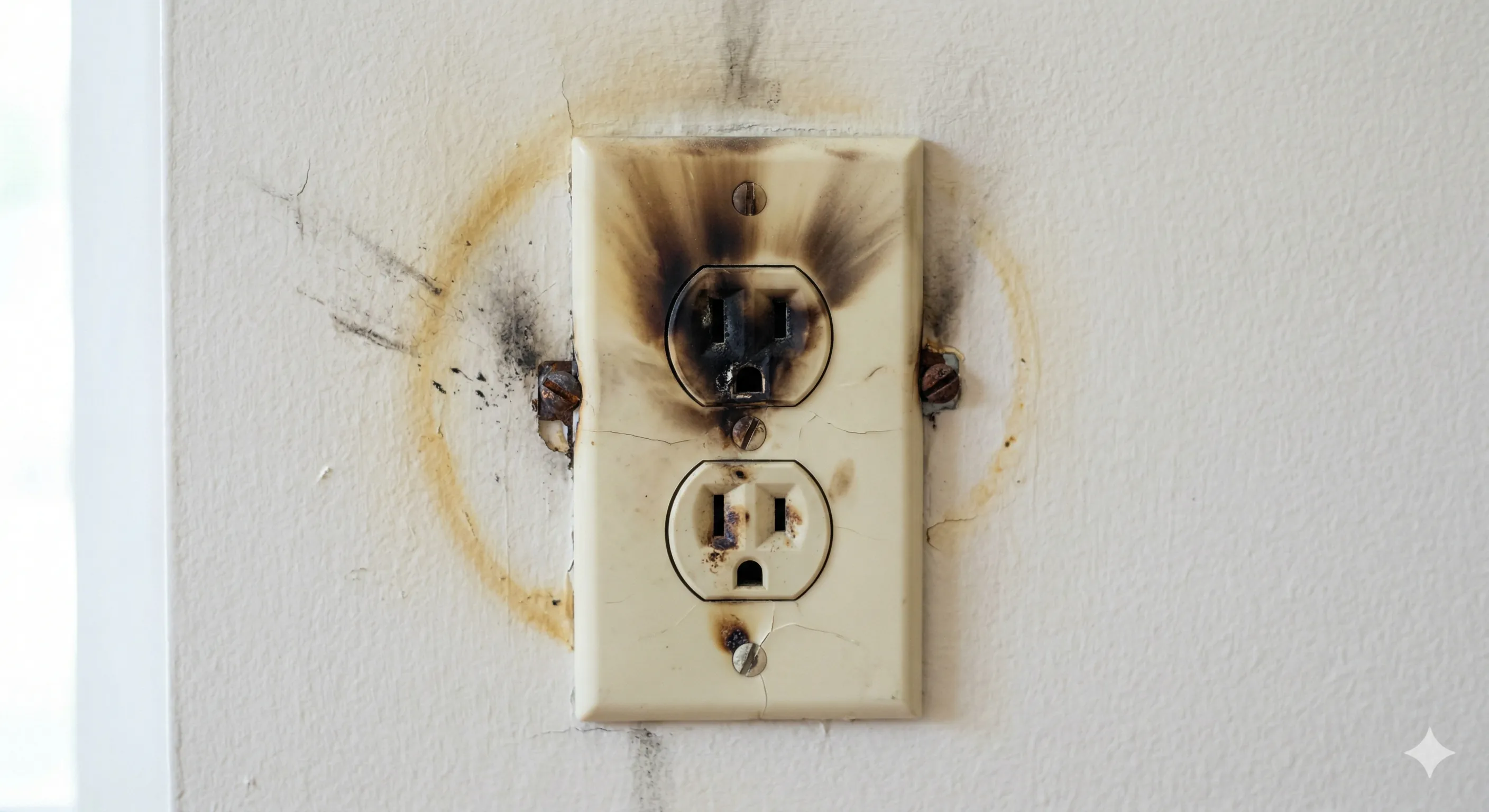
Every wire connection in your electrical system — at outlets, switches, breakers, junction boxes, and light fixtures — must be tight and secure. Over time, thermal cycling (heating and cooling with use) loosens screw terminals and push-in (backstab) connections. A connection that's just slightly loose becomes a point of high resistance and heat generation. This is actually the leading cause of outlet and switch fires specifically.
5. Outdated Electrical Panels
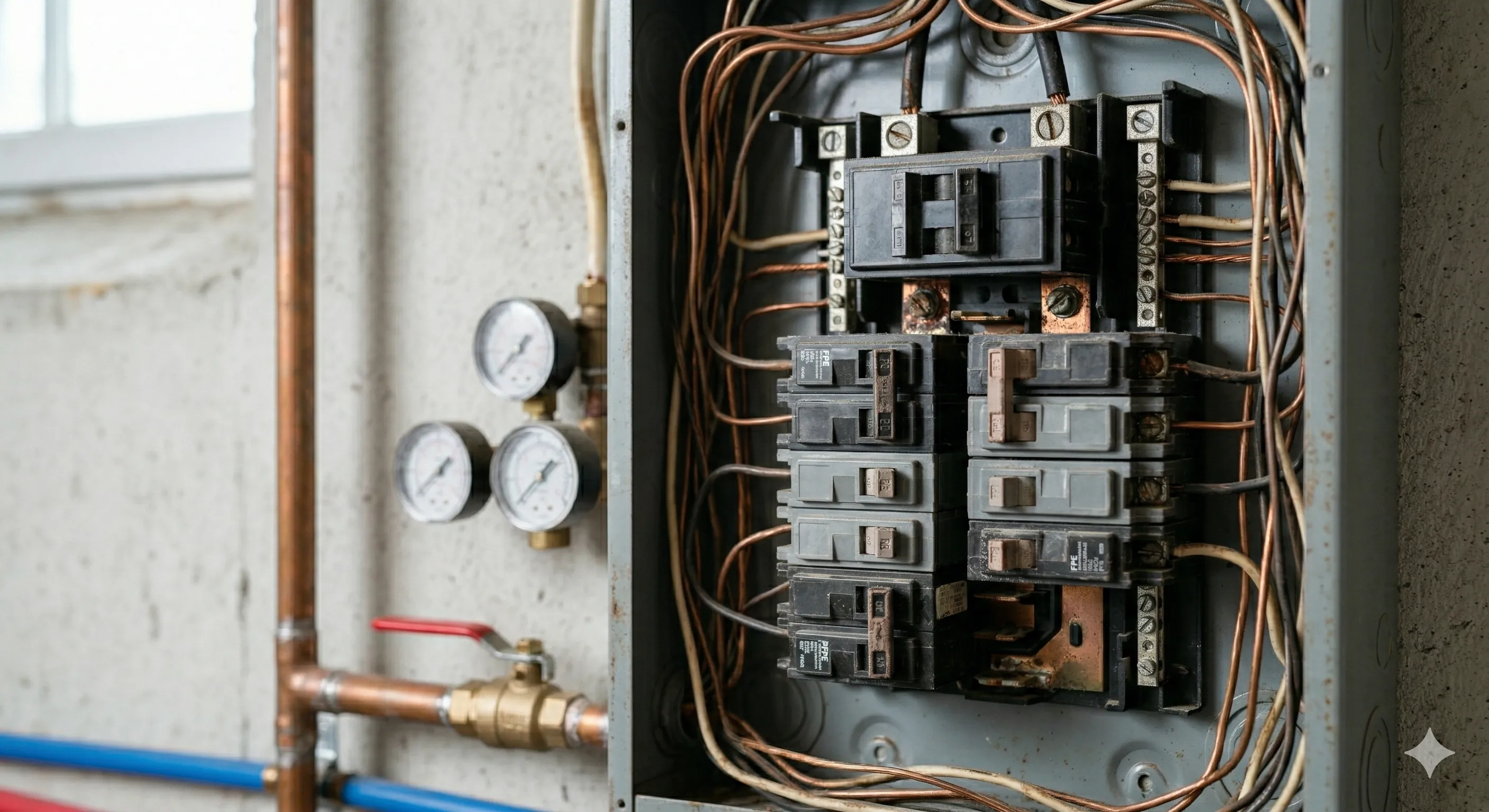
Several older panel brands are known fire hazards:
- Federal Pacific Electric (FPE) Stab-Lok panels — breakers fail to trip in 25–40% of overload situations. Strongly recommended for replacement.
- Zinsco/GTE-Sylvania panels — breakers can melt to the bus bar and fail to trip. Also recommended for replacement.
- Fuse panels (any brand) — not inherently dangerous if properly fused, but homeowners often install oversized fuses (30-amp fuse on a 15-amp circuit) to stop nuisance blowing, eliminating the protection.
6. Space Heaters
Portable space heaters cause approximately 1,700 home fires per year. The fire usually isn't the heater itself — it's combustible materials (curtains, bedding, furniture, papers) placed too close to the heater. Clearance requirement: minimum 3 feet on all sides.
7. Light Fixtures and Bulbs
Using a bulb with higher wattage than the fixture is rated for generates excessive heat. A 100-watt bulb in a fixture rated for 60 watts can overheat the fixture, melt the socket, and ignite the ceiling cavity above. Also: recessed (can) lights installed without insulation contact (IC) rating and covered with insulation in the attic — the insulation traps heat from the fixture.
8. Arc Faults in Hidden Wiring
Nails or screws driven through walls during renovations, picture hanging, or shelf installation can nick wire insulation. The damage may not cause an immediate problem — but months or years later, the compromised insulation fails and creates an arc fault inside the wall, where it's invisible and surrounded by combustible wood framing.
9. DIY Electrical Work
Improperly done electrical work — wrong wire gauge, missing junction box covers, poor connections, missing ground wires, improper circuit loading — is a leading cause of fires in renovated homes. Electrical work should be done by or inspected by a licensed electrician.
10. Appliance Failures
Dryers (lint buildup in the exhaust duct), dishwashers (faulty heating elements), refrigerators (compressor relay failures), and older appliances with worn internal wiring can all start fires. Dryer fires alone cause 2,900 home fires per year.
Warning Signs of an Electrical Fire Risk
Take these signs seriously — any one of them warrants investigation:
- 🔴 Frequently tripping breakers — occasional trips are normal; repeated trips on the same circuit indicate overload or a fault
- 🔴 Buzzing or crackling from outlets/switches — indicates arcing inside the device
- 🔴 Burning smell near outlets, switches, or the panel — immediately turn off the circuit and investigate
- 🔴 Warm or hot outlet or switch plates — outlet covers should be room temperature. Warmth indicates high resistance or overloading.
- 🔴 Discolored outlets or switches — brown or black scorch marks around plug holes or switch toggles
- 🟡 Flickering lights — especially when appliances (hair dryers, vacuums) turn on
- 🟡 Sparking — a small spark when plugging in is normal; persistent or large sparks are not
- 🟡 Bulbs burning out prematurely — same fixture repeatedly killing bulbs may indicate a wiring issue
How to Prevent Electrical Fires
- Don't overload circuits — spread high-draw devices across multiple circuits. Never use a space heater on the same circuit as other appliances.
- Replace extension cords with permanent wiring — if you're using an extension cord for more than a few days, have an electrician install a new outlet.
- Install AFCI breakers — Arc Fault Circuit Interrupters detect dangerous arcing and shut off the circuit before it can start a fire. Required by code in all living areas since 2014. Retrofit cost: $40–$70 per breaker.
- Check outlets and switches — if any feel warm, buzz, spark, or smell, stop using them and have them inspected.
- Replace known hazardous panels — if you have FPE Stab-Lok or Zinsco panels, budget for replacement ($1,500–$3,000).
- Have aluminum wiring inspected — an electrician can install COPALUM or AlumiConn connectors at every junction for $50–$100 per outlet/switch.
- Use correct bulb wattages — check every light fixture's rating and use bulbs at or below the maximum. LED bulbs generate far less heat than incandescent.
- Clean dryer exhaust ducts annually — professional dryer vent cleaning ($100–$180) removes lint buildup that is a major fire cause.
- Install smoke alarms on every level — test monthly, replace batteries annually, replace units every 10 years.
- Get an electrical inspection for homes over 40 years old or after purchasing an older home.
What to Do If an Electrical Fire Starts
- Get everyone out of the house immediately — don't try to fight it unless it's very small and contained
- Call 911
- If safe to reach: shut off the main electrical breaker to cut power to the house
- Never use water on an electrical fire — water conducts electricity and can cause electrocution. Use a Class C or ABC fire extinguisher ($20–$60, every home should have one).
- Close doors behind you as you exit — this slows fire spread
- Don't re-enter — wait for fire department
When to Get an Electrical Inspection
- When buying a home (especially homes over 30 years old)
- After any renovation or remodeling
- If you notice any warning signs listed above
- If your home has aluminum wiring, knob-and-tube, or FPE/Zinsco panels
- If your insurance company requests one
- Every 10 years for homes over 40 years old
Cost: A professional whole-home electrical inspection costs $200–$400.
Prevention Costs
| Prevention Measure | Cost |
|---|---|
| AFCI breakers (per circuit) | $40–$70 |
| Outlet/switch replacement | $75–$200 each |
| Panel replacement (FPE/Zinsco) | $1,500–$3,000 |
| Whole-home electrical inspection | $200–$400 |
| Aluminum wiring remediation | $50–$100 per connection |
| New outlet installation | $150–$300 each |
| Dryer vent cleaning | $100–$180 |
| Smoke alarms (per unit) | $15–$40 |
| Fire extinguisher (ABC type) | $20–$60 |
For more electrical safety information, visit our complete electrical guide.
Want to learn more about home electrical systems?
Read Our Complete Electrical Guide →Frequently Asked Questions
More Electrical Guides
You May Also Like
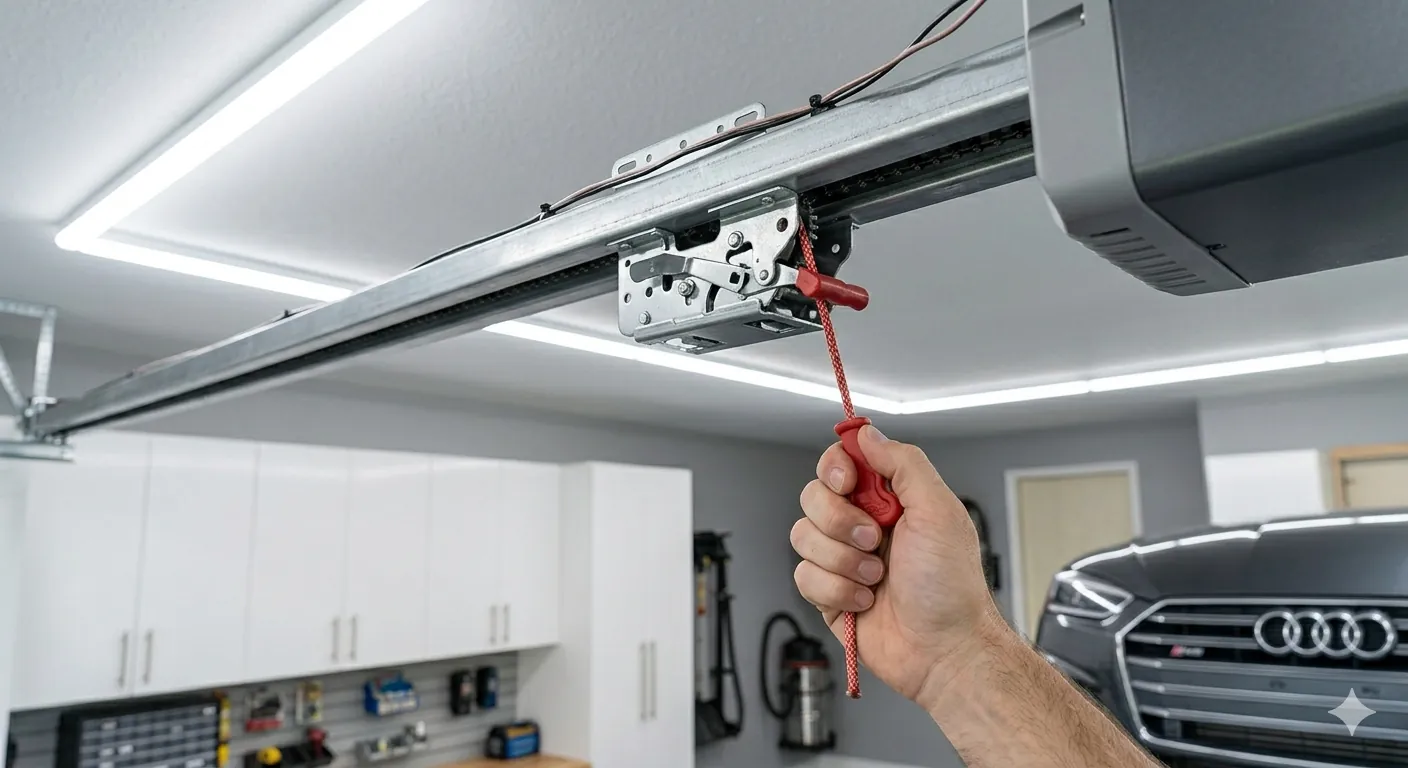
How Do You Close a Garage Door Manually
Emergency guide to manually closing your garage door when the opener fails. Step-by-step with safety tips.
How to Repair Garage Door Cable
Complete guide to diagnosing and repairing broken garage door cables. Safety warnings and when to call a pro.
How Long Do AC Units Last in Florida
Florida AC lifespan data, climate factors that shorten unit life, and signs your AC needs replacing.
How to Fix Short Cycling Air Conditioner
Diagnose and fix an AC that keeps turning on and off. Common causes from dirty filters to bad capacitors.
Disclaimer: This content is for fire prevention education only. All electrical work should be performed by licensed electricians. If you suspect an electrical problem, turn off the circuit and call a professional. HouseFixGuide may earn a commission from links on this page.