How Much Is Epoxy Flooring Per Square Foot?
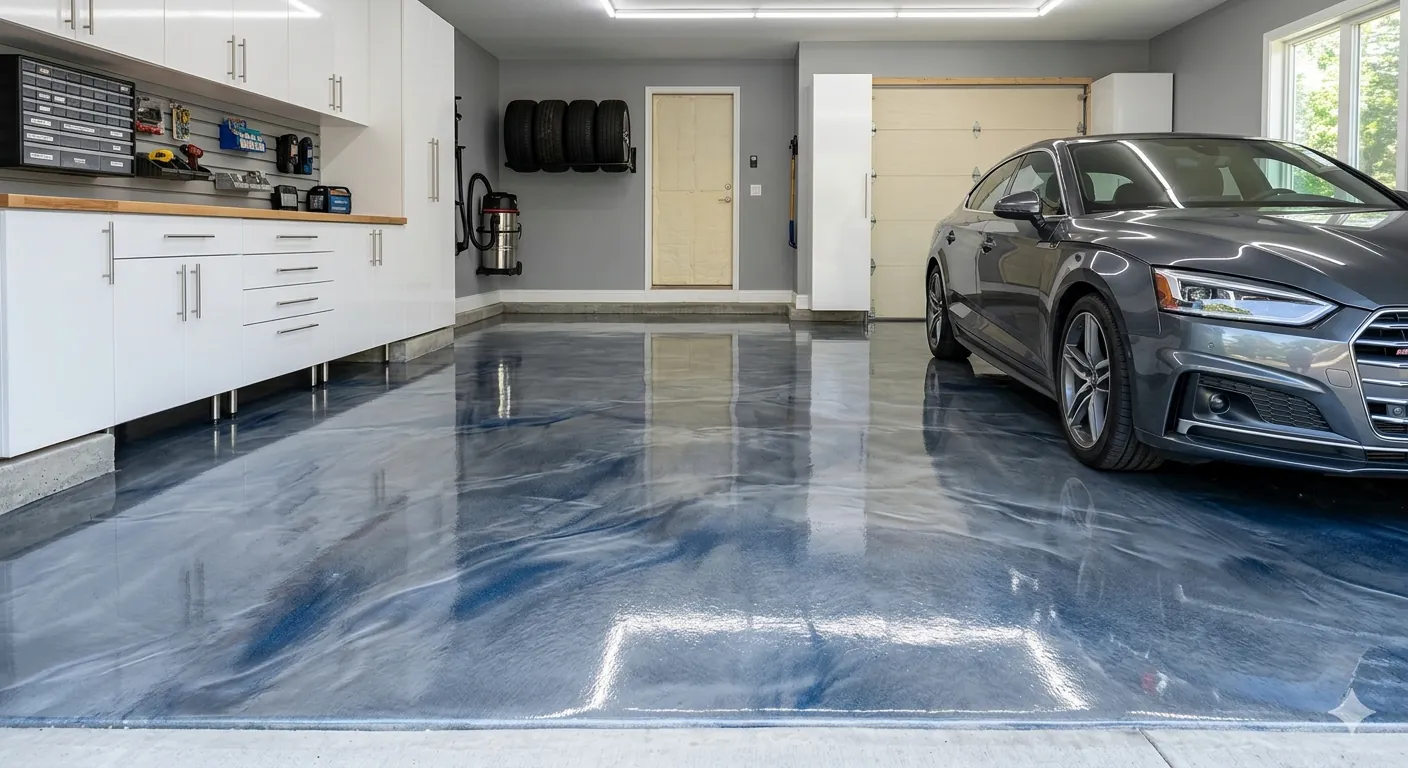
If you've been researching garage floor coatings, basement finishes, or even commercial flooring options, you've probably encountered a wide range of pricing that seems contradictory. One website says epoxy costs $2 per square foot; another quotes $12. A big-box store sells a "garage floor epoxy kit" for $80; a local contractor quotes $3,500 for the same garage.
The confusion exists because "epoxy flooring" encompasses everything from thin, water-based DIY kits to thick, multi-layered 100%-solids commercial coatings — and the price difference between them is enormous. Understanding how much is epoxy flooring per square foot requires knowing which type of epoxy system you're comparing and what goes into the installation process.
Epoxy Flooring Cost Overview (2026)
| Installation Method | Cost Per Sq Ft | 2-Car Garage (500 sq ft) | Lifespan |
|---|---|---|---|
| DIY water-based epoxy kit | $1.50–$3.00 | $400–$800 | 2–5 years |
| DIY 100% solids epoxy | $3.00–$5.00 | $800–$1,400 | 5–10 years |
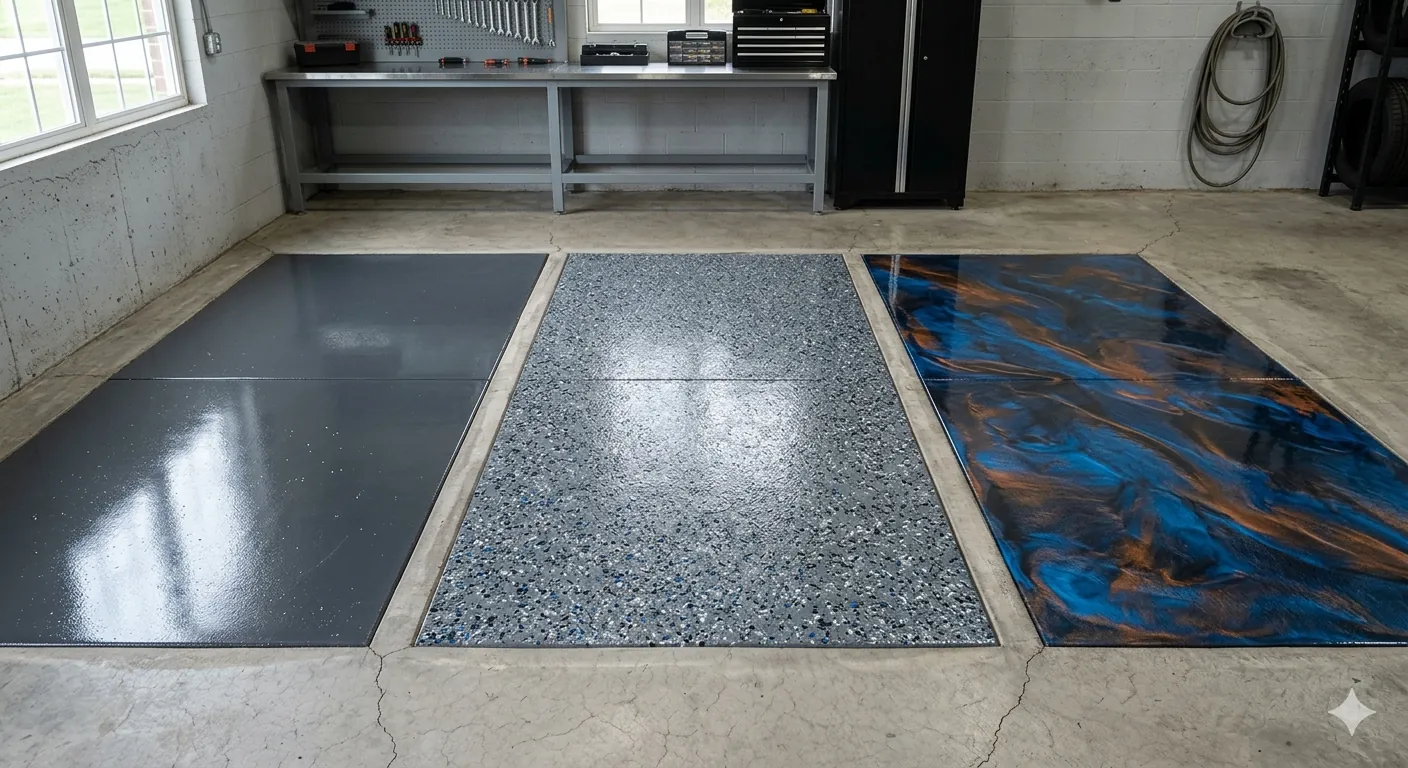
| Pro solid-color epoxy | $3.00–$6.00 | $1,500–$3,000 | 10–15 years |
| Pro flake/chip system | $5.00–$8.00 | $2,500–$4,000 | 15–20 years |
| Pro metallic epoxy | $7.00–$12.00 | $3,500–$6,000 | 15–20+ years |
| Pro polyurea/polyaspartic | $6.00–$10.00 | $3,000–$5,000 | 15–20+ years |
Note: Professional prices include all surface preparation (grinding, crack repair, moisture testing), materials, and labor. DIY prices are materials only — your labor time is not included.
Cost by Epoxy Type
Water-Based Epoxy ($1.50–$3.00/sq ft DIY)
This is what you find in the big-box store kits — Rust-Oleum EpoxyShield, Quikrete Garage Floor Epoxy, etc. These are technically epoxy but heavily diluted with water. They go on thin (2–3 mils), are easy to apply, and affordable. However, they're the least durable option: most start peeling, yellowing, or wearing through within 2–5 years in an active garage.
Solvent-Based Epoxy ($2.50–$4.00/sq ft DIY)
A step up from water-based. Solvent-based epoxies are thicker (4–6 mils), more chemical-resistant, and adhere better to concrete. They require more ventilation during application due to volatile organic compounds (VOCs). Available at specialty paint stores and online.
100%-Solids Epoxy ($4.00–$8.00/sq ft)
The professional standard. "100% solids" means no water or solvents that evaporate — 100% of what you apply stays on the floor. This creates a thick, extremely durable coating (10–20+ mils per coat) that resists chemicals, impacts, abrasion, and hot tire pickup. This is what professional installers use.
Flake/Chip Epoxy Systems ($5.00–$8.00/sq ft)
A multi-layer system: primer, color base coat, decorative vinyl flakes (or "chips") broadcast into the wet epoxy, and a clear topcoat. The flakes provide visual texture, hide imperfections, and add anti-slip texture. This is the most popular residential garage floor option.
Metallic Epoxy ($7.00–$12.00/sq ft)
The premium option. Metallic pigments create a swirled, three-dimensional, marble-like appearance that's unique on every floor. Requires significant installer skill to manipulate the metallic pigments during application. The result is stunning but costs 50–100% more than flake systems.
Polyurea/Polyaspartic Coatings ($6.00–$10.00/sq ft)
Technically not epoxy (they're a different chemistry), but commonly grouped together. Polyurea and polyaspartic coatings cure much faster than epoxy (4–6 hours vs. 24–72 hours), have superior UV resistance (won't yellow), and can be applied in a wider range of temperatures. Many professional installers now prefer polyaspartic over traditional epoxy for residential garages.
Cost by Room or Application
| Area | Typical Size | DIY Cost | Professional Cost |
|---|---|---|---|
| 1-car garage | 200–250 sq ft | $400–$750 | $1,000–$2,000 |
| 2-car garage | 400–600 sq ft | $500–$1,400 | $1,500–$3,500 |
| 3-car garage | 600–900 sq ft | $700–$2,000 | $2,500–$5,500 |
| Basement | 500–1,500 sq ft | $600–$3,500 | $2,000–$10,000 |
| Workshop/studio | 200–500 sq ft | $400–$1,200 | $1,000–$3,000 |
| Commercial (per 1,000 sq ft) | 1,000+ sq ft | N/A | $3,000–$8,000 |
Factors That Affect Epoxy Flooring Cost
1. Surface Preparation (30–50% of Total Cost)
This is the single biggest cost driver in professional epoxy installation. The concrete surface must be clean, dry, free of previous coatings, and properly profiled (roughened) for the epoxy to bond. Professional prep includes:
- Diamond grinding ($1.50–$3.00/sq ft) — removes the concrete surface layer and creates a profile for epoxy adhesion. This is the gold standard.
- Shot blasting ($1.00–$2.50/sq ft) — uses steel shot to profile the surface. Faster than grinding for large areas.
- Acid etching ($0.50–$1.00/sq ft) — the cheapest option but the least effective. Acceptable for DIY but not recommended for professional-grade installations.
- Crack and spall repair ($50–$200) — filling cracks, divots, and spalling with epoxy mortar or patching compound
- Moisture testing ($50–$100) — essential because epoxy won't bond to concrete with high moisture levels. A calcium chloride or in-situ probe test is industry standard.
2. Concrete Condition
New, clean concrete with no previous coatings is the cheapest to prep. Old concrete with oil stains, previous paint or sealers, major cracks, or moisture problems can add $1–$3/sq ft to the preparation cost.
3. Number of Coats
A basic system is 2 coats (primer + topcoat). Premium systems are 3–4 coats (primer + base + decorative + clear topcoat). Each additional coat adds $1–$2/sq ft.
4. Geographic Location
Labor rates vary significantly by region. Expect to pay 20–40% more in high-cost metros (NYC, SF, LA) versus the national average.
5. Project Size
Larger projects have a lower per-square-foot cost because setup, equipment transport, and grinding are relatively fixed costs. A 200 sq ft project may cost $8–$10/sq ft while an 800 sq ft project costs $5–$7/sq ft from the same installer.
DIY vs. Professional: The True Cost Comparison
DIY Epoxy: What You Actually Spend
| Item | Cost |
|---|---|
| Epoxy kit (500 sq ft coverage) | $80–$300 |
| Concrete cleaner/degreaser | $15–$30 |
| Acid etch solution | $15–$25 |
| Crack filler | $10–$20 |
| Rollers, brushes, mixing tools | $20–$40 |
| Decorative flakes (if desired) | $25–$80 |
| Anti-slip additive | $10–$15 |
| Your time (8–16 hours) | $0 (but not free) |
| Total materials | $175–$510 |
Professional Epoxy: What You Actually Get
- Diamond-ground surface preparation (far superior to acid etching)
- Moisture testing and concrete analysis
- 100%-solids or polyaspartic materials (5–10× thickness of DIY kits)
- Professional mixing and application
- Warranty on materials and labor (typically 5–15 years)
- Completed in 1–2 days (vs. 3–7 days total with DIY cure time)
The Bottom Line
DIY saves $1,000–$2,500 on a standard 2-car garage but delivers a floor that lasts 3–7 years versus 15–20 years for a professional installation. On a per-year basis: DIY costs $70–$170/year; professional costs $75–$175/year. The long-term cost is essentially the same, but the professional floor looks better, performs better, and requires no re-application.
Hidden Costs Most Estimates Miss
- Removing existing coatings ($1–$3/sq ft) — if your floor has old paint, stain, or a failed epoxy, it must be removed completely before new epoxy is applied
- Moisture mitigation ($1–$2/sq ft) — if moisture testing reveals high vapor emission, a moisture mitigation primer is needed before the epoxy
- Cove base/wall edges ($5–$10/linear foot) — professional installations often include an epoxy cove base that curves up the wall 4–6 inches for a seamless, easy-to-clean edge
- Moving items out and back ($0–$500) — everything must come out of the garage; some installers charge for this
- Garage downtime (2–7 days) — you can't park on the floor during cure. Plan accordingly.
Epoxy vs. Other Garage Floor Options
| Option | Cost/Sq Ft | Lifespan | Pros | Cons |
|---|---|---|---|---|
| Epoxy coating | $3–$12 | 10–20 years | Durable, chemical resistant, variety of looks | Multi-day install, sensitive to moisture |
| Polyaspartic coating | $6–$10 | 15–20 years | 1-day install, UV stable, flexible | Higher material cost |
| Interlocking tiles | $3–$8 | 10–15 years | DIY friendly, no cure time, removable | Debris collects under tiles, edges curl |
| Concrete stain | $2–$4 | 5–10 years | Natural look, inexpensive | Less protection, limited colors |
| Roll-out mats | $1.50–$4 | 5–10 years | Easiest install, removable | Can shift, limited durability |
Is Epoxy Flooring Worth the Cost?
For garages, workshops, and utility spaces: absolutely yes. Here's why:
- Durability — professional epoxy handles car traffic, dropped tools, chemical spills, and salt/de-icing products without staining or degrading
- Maintenance — sweep and mop. That's it. No waxing, sealing, or special treatments.
- Resale value — a coated garage floor is a visible "move-in ready" feature that home buyers notice. While it doesn't add dollar-for-dollar value, it improves first impressions and can help a home sell faster.
- Light reflectivity — glossy epoxy reflects up to 300% more light than bare concrete, brightening the garage without additional lighting
- Moisture barrier — properly applied epoxy prevents concrete dust, moisture wicking, and radon penetration from the slab
Learn more flooring options in our complete flooring guide.
How to Get Accurate Quotes
- Get at least 3 quotes from different installers
- Ask what "epoxy" they're using — water-based, solvent-based, 100% solids, or polyaspartic? The answer tells you a lot about quality.
- Ask about surface preparation method — grinding or shot blasting (good) vs. acid etching only (not ideal for professional work)
- Ask about moisture testing — a reputable installer always tests for moisture before quoting
- Ask about the number of coats and total dry film thickness (DFT) — 15+ mils is professional grade, 2–5 mils is DIY grade
- Ask about the warranty — reputable installers offer 5–15 year warranties on peeling and adhesion failure
- Confirm what's included — surface prep, crack repair, materials, labor, furniture moving, and cleanup should all be specified
Want to learn more about flooring options?
Read Our Complete Flooring Guide →Frequently Asked Questions
More Flooring Guides
You May Also Like
How Thick Should Concrete Be for a Driveway
Proper concrete thickness for driveways by use case. Standard cars, heavy vehicles, and code requirements explained.
How Much Does Concrete Lifting Cost
Mudjacking vs foam jacking costs compared. Average prices, when lifting works, and when replacement is better.
How Long Do Water Softeners Last
Water softener lifespan by type, maintenance tips to extend life, and signs it's time for replacement.
How to Connect a Water Softener
Complete water softener installation guide. Plumbing connections, bypass valve setup, and initial programming.
Disclaimer: Costs are national averages and may vary by region, installer, and project specifics. Get multiple quotes for your specific project. HouseFixGuide may earn a commission from links on this page.