Water Systems: The Complete Guide to Heaters, Softeners, Filters & Pumps
Browse Articles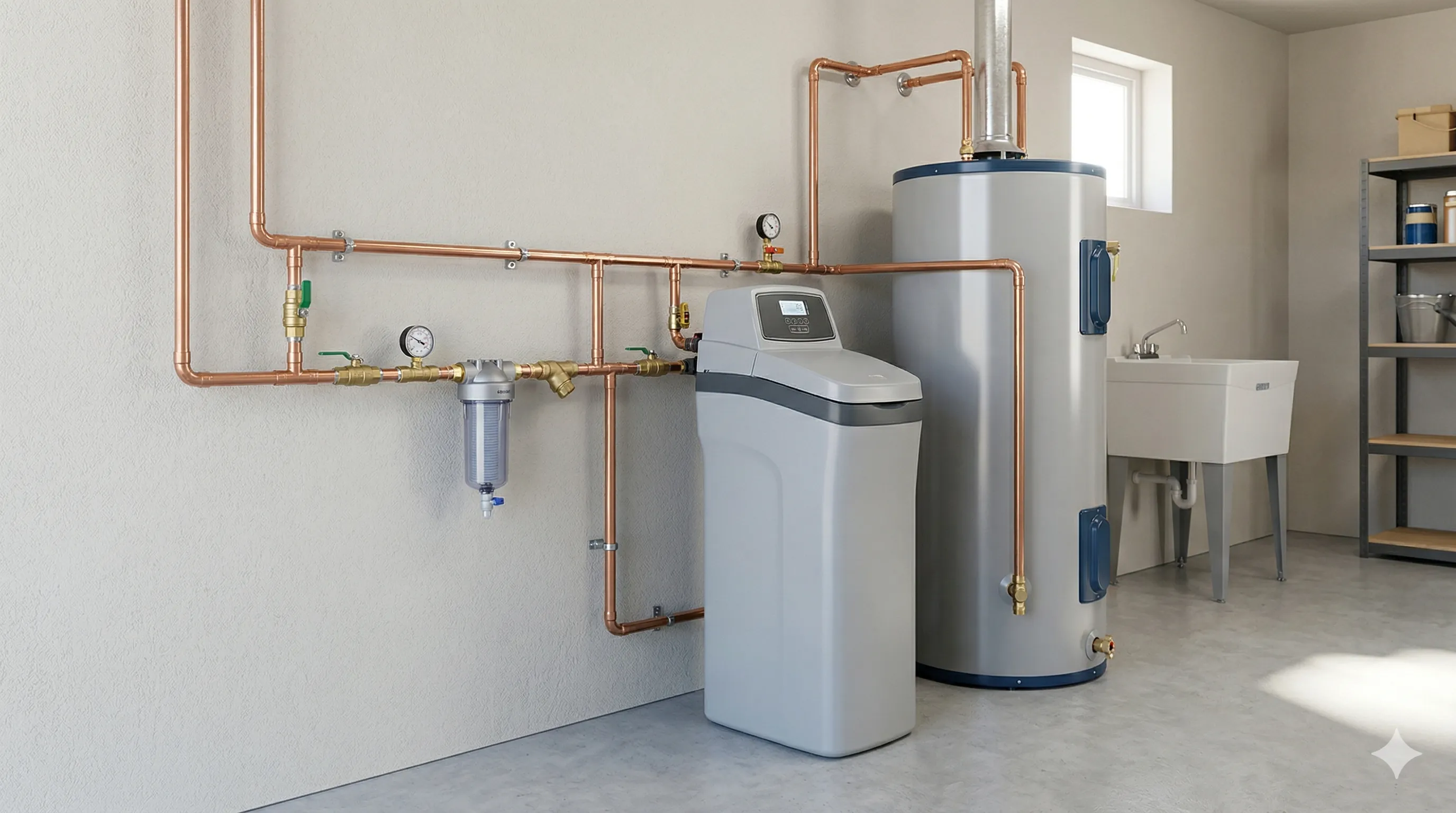
Your home's water system extends far beyond the pipes in your walls. It includes the water heater that delivers hot showers, the water softener that prevents scale buildup, the filtration system that keeps your drinking water clean, and — for the 43 million American homes on private wells — the well pump and pressure tank that deliver water to your faucets in the first place.
When any part of your water system fails, the impact is immediate and uncomfortable: no hot water for showers, low water pressure, discolored water, foul-tasting drinking water, or flooding from a failed water heater. This comprehensive water systems guide covers everything homeowners need to know about maintaining, troubleshooting, and upgrading their home's water infrastructure.
Tank Water Heaters
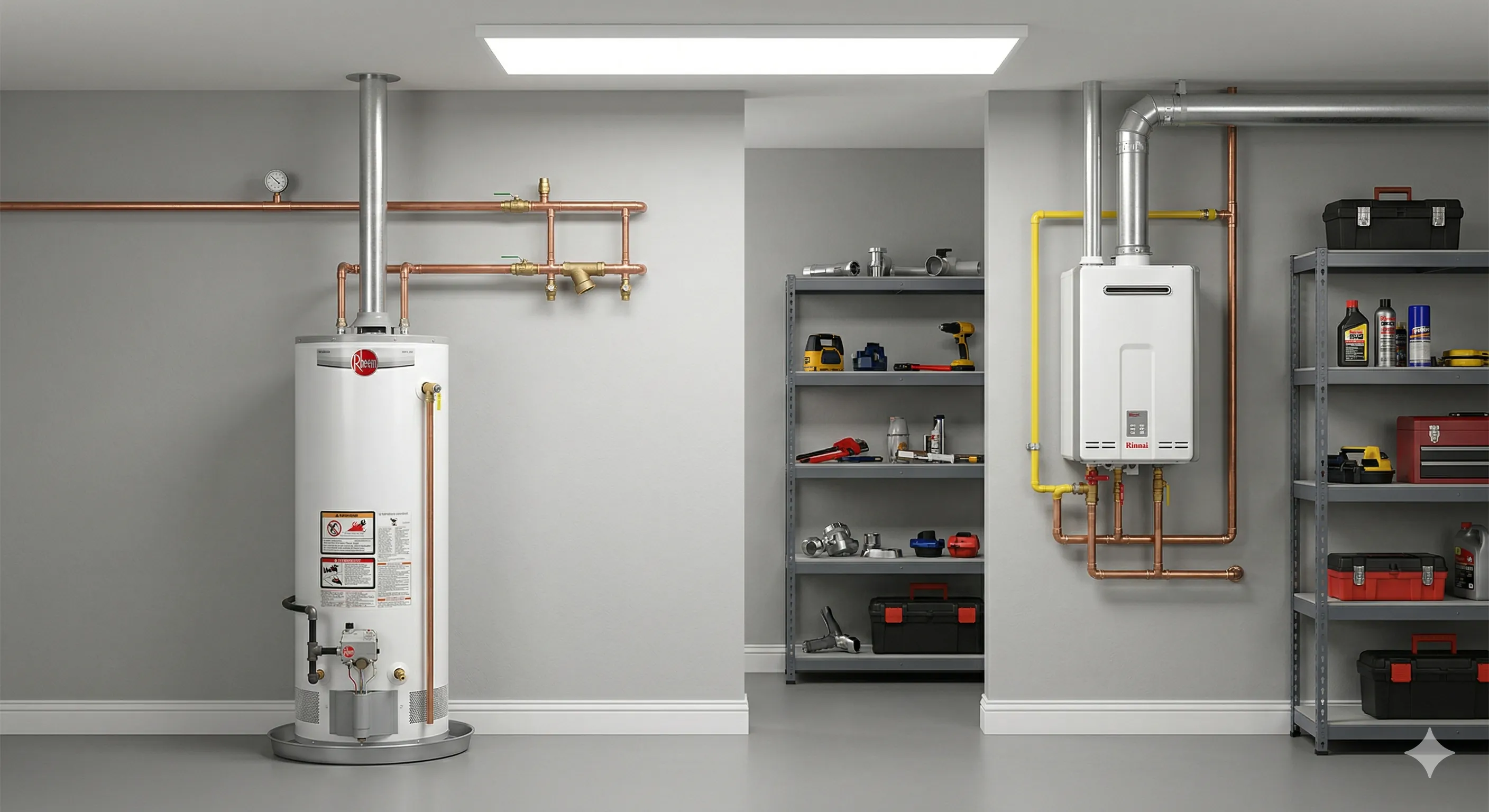
Traditional tank water heaters are found in approximately 90% of American homes. They store 30–80 gallons of pre-heated water in an insulated tank, ready for use whenever you turn on a hot faucet. Gas models are most common and heat water faster than electric, while electric models are simpler to install and don't require gas lines or venting.
Tank Water Heater Sizing
- 1–2 people — 30–40 gallon tank is adequate
- 3–4 people — 40–50 gallon tank recommended
- 5+ people — 50–80 gallon tank, or consider going tankless
How Long Do Water Heaters Last?
Standard tank water heaters last 8–12 years with proper maintenance. The anode rod inside the tank is the key lifespan factor — it's a sacrificial metal rod that corrodes instead of let the tank corrode. When the anode rod is fully consumed (typically 3–5 years), the tank itself starts to rust, leading to leaks and failure. Replacing the anode rod every 3–5 years ($20–$50 DIY, $150–$300 professional) can extend your water heater's lifespan by 3–5 years.
Signs Your Water Heater Needs Replacement
- Age — if your water heater is over 10 years old, start planning for replacement. The serial number contains the manufacture date.
- Rusty water — rust-colored hot water (but clear cold water) means the tank interior is corroding
- Leaking from the tank bottom — internal tank corrosion has created a crack. This cannot be repaired — replace immediately before it ruptures.
- Rumbling or popping sounds — sediment buildup on the bottom of the tank being heated and shifted. Flushing may help temporarily, but it's often a sign of age.
- Not enough hot water — sediment displaces water volume, or the heating element/burner is failing
Tankless Water Heaters
Tankless (on-demand) water heaters heat water only when you need it — no tank, no standby energy loss. They're compact (wall-mounted), last 20+ years, and provide an endless supply of hot water. The trade-off is higher upfront cost and potentially needing a gas line or electrical upgrade.
Tankless Water Heater Pros & Cons
| Advantage | Disadvantage |
|---|---|
| Endless hot water supply | Higher upfront cost ($1,500–$4,000 installed) |
| 20+ year lifespan | May need gas line upgrade |
| 20–30% energy savings vs. tank | Flow rate limited (can't supply 3+ fixtures simultaneously without sizing up) |
| Compact, wall-mounted | Requires annual descaling in hard water areas |
| No tank flood risk | Brief "cold water sandwich" between uses |
How much does a tankless water heater cost? Gas tankless units cost $1,000–$2,500 for the unit alone, plus $500–$1,500 for installation. Electric tankless units cost $500–$1,500 plus installation but may require a 200-amp electrical panel upgrade. Total installed cost ranges from $1,500–$4,000.
Water Heater Troubleshooting
Before calling a plumber, check these common water heater issues yourself:
No Hot Water at All
- Gas water heater — check the pilot light. If it's out, follow the lighting instructions on the tank label. Check the gas valve (should be in the "ON" position). Check the thermocouple (the copper tube from the pilot to the gas valve).
- Electric water heater — check the circuit breaker. Reset the high-temperature limit switch (red button on the upper thermostat, accessed behind the panel). Check both heating elements with a multimeter.
Not Enough Hot Water
- Check the thermostat setting — it should be 120°F (factory default and recommended by the DOE)
- Flush sediment from the tank — attach a garden hose to the drain valve and run until the water is clear
- Check for a failed dip tube — if cold water enters at the top and exits immediately to the hot outlet without dropping to the bottom, the dip tube is broken
Water Softeners & Hard Water Solutions
Hard water — water with high mineral content, primarily calcium and magnesium — affects 85% of U.S. homes. Hard water causes white scale buildup on faucets and fixtures, spots on dishes and glassware, stiff laundry, dry skin and hair, and shortened lifespan for water heaters, dishwashers, and washing machines.
Water Hardness Levels
| Hardness (GPG) | Classification | Treatment Needed? |
|---|---|---|
| 0–3 GPG | Soft | No treatment needed |
| 3–7 GPG | Moderately Hard | Optional; descaler may suffice |
| 7–11 GPG | Hard | Water softener recommended |
| 11–15 GPG | Very Hard | Water softener strongly recommended |
| 15+ GPG | Extremely Hard | Water softener essential |
How Water Softeners Work
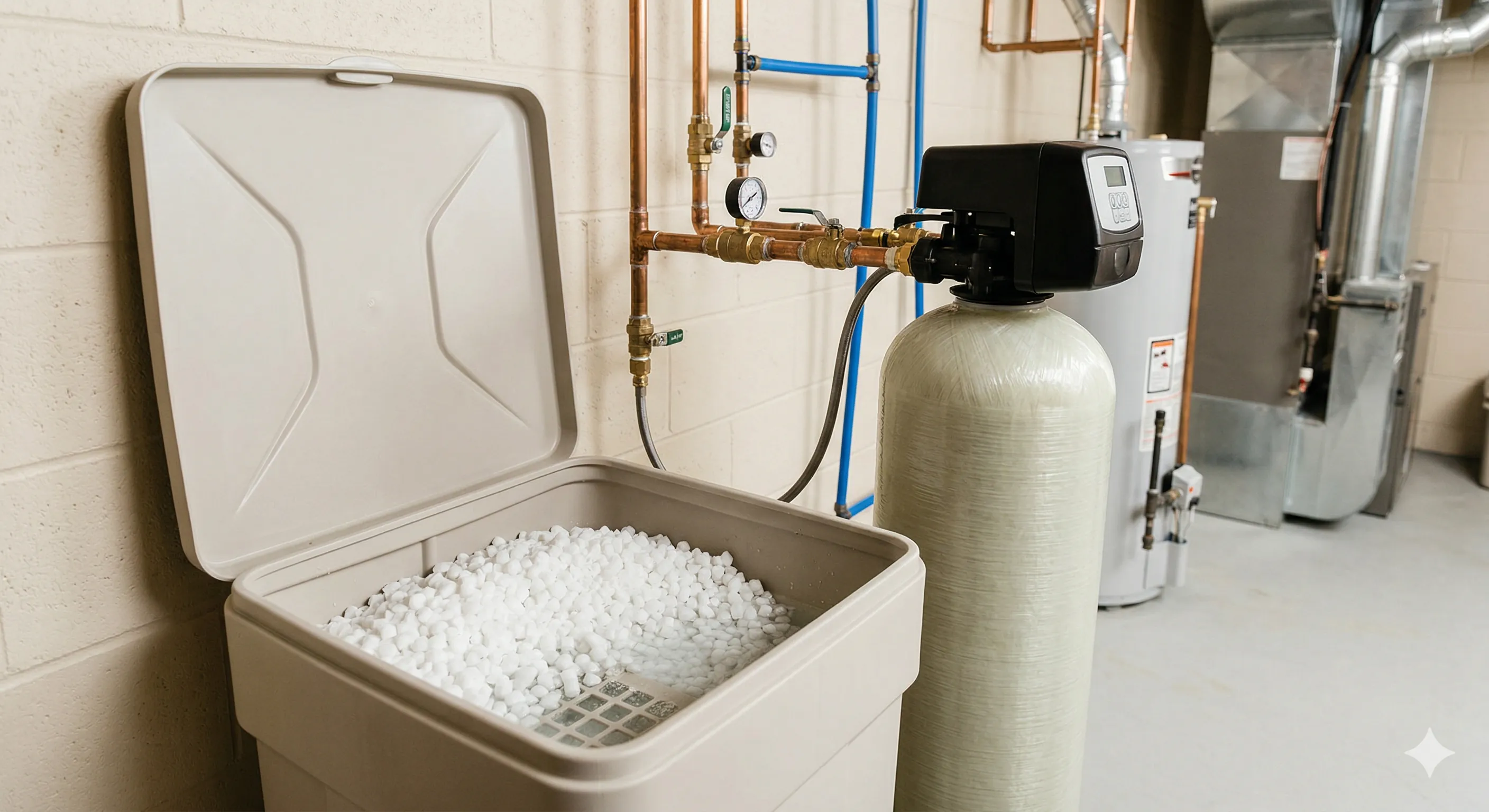
Ion-exchange water softeners are the most effective and most common type. Hard water flows through a resin tank containing thousands of tiny plastic beads charged with sodium ions. As hard water passes through, the calcium and magnesium ions swap places with sodium ions — removing hardness from the water. Periodically, the system regenerates by flushing the beads with a salt (sodium chloride) solution from the brine tank, washing away the accumulated minerals.
Water softener costs: $800–$2,500 installed for a whole-house system. Salt costs $5–$10 per 40-lb bag, and most homes use 1–2 bags per month. Salt-free water conditioners ($1,000–$3,000) exist but don't actually remove minerals — they condition the minerals to reduce scale without the benefits of truly soft water.
Water Filtration Systems
Water filtration removes contaminants that affect taste, odor, and safety. Even municipally treated water can contain chlorine, lead, PFAS, and sediment at levels that concern homeowners.
- Under-sink reverse osmosis (RO) — the gold standard for drinking water. Removes 95–99% of contaminants including lead, fluoride, chlorine, and PFAS. Cost: $150–$500 installed. Requires filter replacement every 6–12 months ($50–$80/year).
- Whole-house carbon filter — removes chlorine, sediment, and taste/odor issues from all water in your home. Cost: $500–$2,000 installed. Filter replacement every 3–6 months.
- Pitcher/faucet-mount filters — affordable entry point ($20–$50). Remove chlorine and some contaminants. Limited capacity and slower flow. Good for renters.
- UV disinfection — kills bacteria and viruses with ultraviolet light. Essential for private well water. Cost: $500–$1,500 installed.
Well Pumps & Pressure Tanks
If your home uses a private well, your water system includes a well pump, pressure tank, and pressure switch that work together to deliver water on demand.
Types of Well Pumps
- Submersible pump — located inside the well, submerged in water. Most common for wells deeper than 25 feet. Very reliable, quiet, and efficient. Replacement cost: $1,000–$3,000 installed.
- Jet pump (shallow well) — located above ground, pulls water from wells up to 25 feet deep. Noisier, less efficient, but easier to access for service. Replacement cost: $500–$1,500.
- Jet pump (deep well) — above-ground pump with a jet assembly inside the well, for depths of 25–110 feet. Two-pipe system. Replacement cost: $800–$2,500.
Pressure Tank Issues
The pressure tank stores water under pressure so the pump doesn't need to run every time you open a faucet. Common pressure tank problems:
- Waterlogged tank — the internal air bladder has failed, causing the pump to short-cycle (turn on and off rapidly). The tank feels heavy and full if you tap on it — it should feel hollow in the upper portion. Replacement cost: $200–$600.
- Pressure switch failure — the pump won't turn on or won't shut off. Pressure switches cost $25–$50 and are DIY-replaceable with basic electrical knowledge.
- Low air pressure — the pre-charge pressure (checked with a tire gauge at the tank's air valve) should be 2 PSI below the cut-in pressure setting
Water Pressure Problems
Low water pressure and high water pressure both cause problems:
Low Water Pressure Causes
- Partially closed main shut-off valve or meter valve
- Clogged aerators on individual faucets (unscrew and clean)
- Corroded galvanized steel pipes (common in homes built before 1970)
- Failing pressure regulator (reduces municipal pressure to safe household levels)
- Municipal supply issues — check with neighbors to see if it's widespread
- Well pump or pressure tank issues (see above)
High Water Pressure
Water pressure above 80 PSI damages appliances, fixtures, and pipes. Install a pressure reducing valve (PRV) if your municipal pressure exceeds 80 PSI. PRVs cost $50–$100 for the valve plus $150–$400 for professional installation. Test your pressure with a simple $10 gauge that threads onto a hose bib.
Water System Costs in 2026
| Equipment/Service | Cost Range | Lifespan |
|---|---|---|
| Tank water heater (40–50 gal) | $800–$1,800 installed | 8–12 years |
| Tankless water heater | $1,500–$4,000 installed | 20+ years |
| Water softener | $800–$2,500 installed | 10–15 years |
| RO drinking water system | $150–$500 installed | 10–15 years (filters replaced yearly) |
| Whole-house carbon filter | $500–$2,000 installed | 5–10 years |
| Submersible well pump | $1,000–$3,000 installed | 8–15 years |
| Pressure tank | $200–$600 installed | 10–15 years |
| Anode rod replacement | $20–$50 DIY / $150–$300 pro | Replace every 3–5 years |
Water System Maintenance Checklist
Every 6 Months
- Test water heater T&P (temperature and pressure) relief valve — lift the lever and let it snap back. Water should briefly flow from the discharge pipe.
- Check water softener salt level — keep salt above the water line in the brine tank
- Replace under-sink filtration cartridges per manufacturer schedule
Annually
- Flush the water heater tank — drain 2–3 gallons from the bottom drain valve to remove sediment
- Inspect anode rod (every 2–3 years; replace at 3–5 years)
- Test well water quality for bacteria, nitrates, and pH
- Check pressure tank pre-charge and inspect for waterlogging
- Descale tankless water heater with white vinegar flush
Frequently Asked Questions
Water Systems Articles
Related Topics
Disclaimer: This content is for informational purposes only. Always consult licensed plumbers for water heater installation and well system repairs. HouseFixGuide may earn a commission from links on this page.