Flooring: The Complete Guide to Choosing, Installing & Maintaining Your Floors
Browse Articles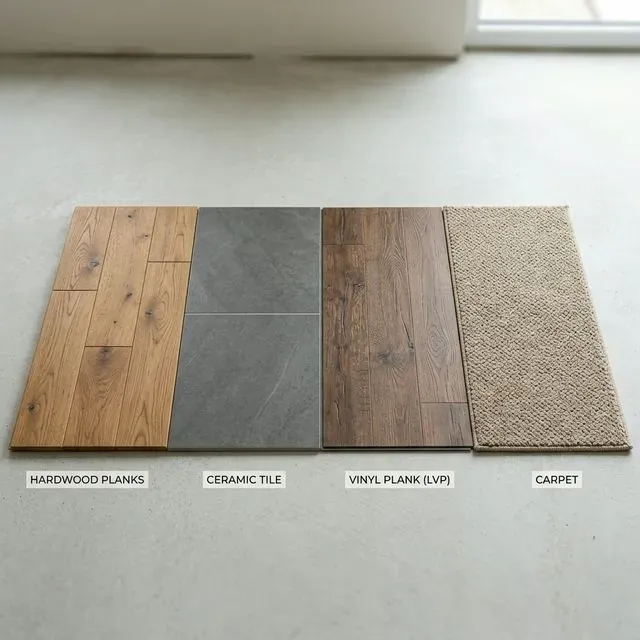
Flooring is one of the highest-impact home improvements you can invest in. It covers every square foot of visible space in your home, absorbs decades of foot traffic, spills, pet claws, and furniture weight, and it's one of the first things buyers notice when evaluating a home's condition. Whether you're replacing worn-out carpet with modern vinyl plank flooring, refinishing hardwood floors that have lost their luster, or pouring an epoxy floor coating in your garage, understanding your flooring options helps you make the right decision the first time.
This comprehensive flooring guide covers every material, installation method, and maintenance strategy homeowners need to know in 2026. Each section includes links to our detailed how-to articles for specific flooring projects.
- Hardwood Flooring
- Luxury Vinyl Plank (LVP) & Laminate
- Tile Flooring (Ceramic & Porcelain)
- Carpet & Carpet Tiles
- Epoxy & Garage Floor Coatings
- Subfloor Preparation & Leveling
- Flooring Costs Compared (2026)
- DIY Flooring Installation Tips
- Flooring Maintenance & Cleaning
- Which Flooring Adds the Most Home Value?
- Frequently Asked Questions
Hardwood Flooring
Hardwood floors remain the gold standard for home value and visual appeal. Real hardwood flooring — whether solid or engineered — adds warmth, character, and proven resale value to any home. According to the National Association of Realtors, hardwood floors are among the top features home buyers look for, and homes with hardwood sell faster and closer to asking price.
Solid Hardwood vs. Engineered Hardwood
Solid hardwood is milled from a single piece of wood, typically 3/4 inch thick. It can be sanded and refinished 3–5 times over its lifetime, which means a well-maintained solid hardwood floor can last 75–100 years. The most popular species include oak (most affordable and durable), maple, hickory (great scratch resistance), and walnut (premium dark tones).
Engineered hardwood has a real hardwood veneer (1–6mm thick) bonded to layers of plywood or high-density fiberboard. The layered construction makes engineered hardwood more dimensionally stable — it handles humidity and temperature changes better than solid wood, making it the better choice for basements, over radiant heat, and in humid climates. It can typically be refinished 1–2 times depending on the veneer thickness.
The question of how much does it cost to refinish hardwood floors comes up frequently. Professional hardwood floor refinishing runs $3–$8 per square foot, or $1,500–$4,000 for an average room. DIY refinishing can cut this to $1–$2 per square foot in materials, but requires a drum sander rental and significant skill to avoid creating visible sanding marks or uneven stain application.
Common Hardwood Flooring Issues
- Scratches and dents — from furniture, pet claws, and high heels; area rugs and felt pads help prevent these
- Gaps between planks — seasonal humidity changes cause wood to expand and contract; maintaining 35–55% indoor humidity minimizes gapping
- Cupping and crowning — moisture imbalance between the top and bottom of planks; often signals a subfloor moisture issue
- Discoloration from sunlight — UV exposure darkens some species; rotate rugs periodically and use UV-filtering window treatments
- Water damage — hardwood and standing water don't mix; clean spills immediately and never wet-mop hardwood floors
Luxury Vinyl Plank (LVP) & Laminate Flooring
Luxury vinyl plank flooring has transformed the flooring industry over the past decade. Modern LVP is virtually indistinguishable from real hardwood at first glance, but it's 100% waterproof, dramatically more scratch-resistant, and significantly cheaper to install — especially as a DIY project.
Vinyl Plank (LVP/LVT) Explained
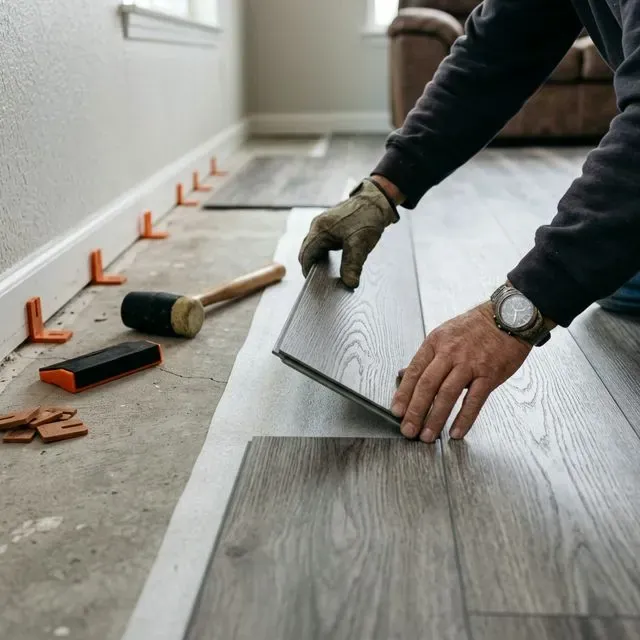
LVP (Luxury Vinyl Plank) uses a rigid or flexible core with a photographic layer that mimics wood grain, plus a clear wear layer that protects against scratches and stains. Rigid core LVP (SPC — Stone Polymer Composite) is the most popular choice because it clicks together easily, doesn't require glue, and can be installed over minor subfloor imperfections.
The biggest advantage of vinyl plank flooring over hardwood: it's completely waterproof. You can install LVP in kitchens, bathrooms, laundry rooms, and basements without worrying about moisture damage. This is why many homeowners choose to install vinyl plank flooring throughout their entire home for a seamless, worry-free floor.
Laminate Flooring
Laminate flooring looks similar to LVP but uses a fiberboard core instead of vinyl. It's more affordable ($1–$3 per sq ft for materials), but the critical difference is that laminate is NOT waterproof. The fiberboard core swells and warps when exposed to standing water, making laminate unsuitable for bathrooms, kitchens, and basements unless you use a premium water-resistant version.
That said, laminate floors are an excellent choice for bedrooms, living rooms, and hallways where moisture isn't a concern. The click-lock installation is identical to LVP, making it a straightforward DIY flooring project.
Tile Flooring (Ceramic & Porcelain)
Ceramic and porcelain tile remain the go-to flooring choice for bathrooms, kitchens, mudrooms, and entryways where moisture resistance is essential. Properly installed tile flooring lasts 50+ years with minimal maintenance.
Ceramic vs. Porcelain
Porcelain tile is denser, harder, and more water-resistant than standard ceramic. Its water absorption rate is less than 0.5% (vs. ceramic's 3–7%), making porcelain the better choice for high-moisture areas and outdoor applications. Porcelain tile costs $3–$10 per sq ft for materials, with installation adding another $5–$15 per sq ft depending on the pattern.
Ceramic tile is softer, easier to cut, and more affordable ($0.50–$5 per sq ft). It's perfectly adequate for bathroom walls, kitchen backsplashes, and moderate-traffic floors. Just avoid using standard ceramic tile in entryways or commercial-traffic areas where its softer surface glazes wear down faster.
Floor Tile Size Trends in 2026
Large-format tiles (24×24, 12×24, and even 48×48 inch) continue dominating the tile flooring market. Larger tiles mean fewer grout lines, creating a cleaner, more spacious visual effect. However, large tiles require a perfectly level subfloor — any unevenness creates lippage (raised tile edges) that catches toes and looks unprofessional. Knowing how to level a floor with self-leveling compound is essential before any tile installation.
Carpet & Carpet Tiles
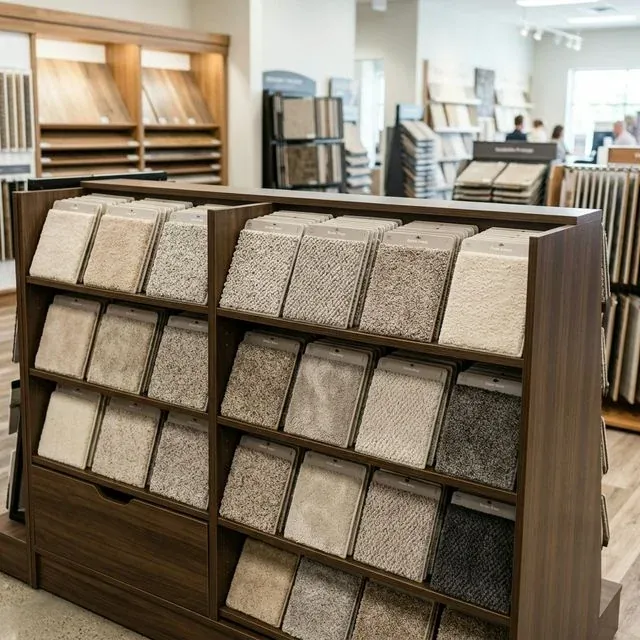
While hard-surface flooring dominates new installations, carpet still accounts for 45% of all flooring sold in the U.S. Carpet is unbeatable for comfort underfoot, noise reduction, and warmth in bedrooms and family rooms.
The most popular carpet fibers:
- Nylon — most durable; handles high traffic; best overall performance but highest cost
- Polyester (PET) — softer feel, excellent stain resistance, more affordable; less resilient in high traffic
- Triexta (SmartStrand) — newer fiber combining nylon's durability with polyester's softness; great for families with kids and pets
- Olefin/Polypropylene — budget option; resists moisture and mildew but crushes easily in traffic areas
- Wool — premium natural fiber; luxurious feel and naturally stain-resistant; expensive ($8–$14 per sq ft)
An important question many homeowners face: how much does it cost to carpet a room? For a standard 12×15 bedroom (180 sq ft), expect $600–$1,800 including carpet, pad, and professional installation. Budget carpet runs $2–$4 per sq ft, mid-range $4–$8, and premium $8–$14+.
Epoxy & Garage Floor Coatings
Garage floor coatings have evolved from basic paint to industrial-grade epoxy and polyaspartic systems that transform bare concrete into a showroom-quality surface. A properly applied epoxy floor coating resists oil stains, tire marks, road salt, and chemical spills while adding a clean, professional appearance to your garage.
Types of garage floor coatings:
- Water-based epoxy — easiest to apply DIY; least durable (2–3 years); $0.15–$0.30 per sq ft
- Solvent-based epoxy — better adhesion and durability; stronger fumes during application; $0.30–$0.50 per sq ft
- 100% solids epoxy — professional-grade; no solvents, thickest coating; $1–$3 per sq ft
- Polyaspartic/Polyurea — fastest curing (walk-on in 4 hours), UV-stable, most durable; $3–$7 per sq ft
The biggest mistake DIY garage floor projects is inadequate surface preparation. The concrete must be profiled (using acid etching, grinding, or shot-blasting) to create a texture that the coating bonds to. Skip this step and the epoxy will peel within months, regardless of how expensive the product is.
Subfloor Preparation & Floor Leveling
Every successful flooring installation starts with the subfloor. The condition of your subfloor determines how your new flooring performs, looks, and lasts. Knowing how to level a floor before installing new flooring is one of the most important DIY skills.
Common subfloor issues and solutions:
- Minor unevenness (1/8" in 6 ft) — pour self-leveling compound; costs $1–$2 per sq ft
- Significant dips or humps — may require grinding high spots and filling low spots with floor patch
- Squeaky subfloor — screw down loose plywood/OSB sheets to the joists; use 2.5" coarse-thread screws
- Moisture issues — test with a calcium chloride moisture test kit; readings over 3 lbs/1000 sq ft/24 hrs require mitigation before installing any flooring
- Old adhesive residue — scrape, grind, or use adhesive remover; some old adhesives contain asbestos (pre-1980 homes) — test before disturbing
Flooring Costs Compared (2026)
Here's a comprehensive cost comparison for all major flooring types, including materials and professional installation:
| Flooring Type | Material Cost/sq ft | Installed Cost/sq ft | Lifespan | DIY Friendly? |
|---|---|---|---|---|
| Luxury Vinyl Plank (LVP) | $2–$5 | $3–$7 | 15–25 years | Yes ★★★ |
| Laminate | $1–$3 | $3–$6 | 15–25 years | Yes ★★★ |
| Solid Hardwood | $4–$8 | $6–$12 | 75–100 years | No ★☆☆ |
| Engineered Hardwood | $3–$7 | $5–$10 | 30–50 years | Moderate ★★☆ |
| Porcelain Tile | $3–$10 | $8–$15 | 50+ years | Moderate ★★☆ |
| Ceramic Tile | $0.50–$5 | $5–$12 | 50+ years | Moderate ★★☆ |
| Carpet | $2–$8 | $3–$11 | 8–15 years | No ★☆☆ |
| Epoxy Coating | $1–$3 | $3–$7 | 10–20 years | Moderate ★★☆ |
DIY Flooring Installation Tips
Many flooring types are excellent DIY projects for homeowners with basic skills. Here's what every DIYer should know:
Flooring You CAN Install Yourself
- Click-lock vinyl plank (LVP) — the #1 DIY flooring. No glue, no nails, floats over existing floors. Most rooms take a weekend. Check our guide on how to install vinyl plank flooring.
- Click-lock laminate — same installation method as LVP; just remember it's not waterproof
- Peel-and-stick vinyl tiles — easiest of all; just peel and press. Less durable than click-lock but perfect for rentals and temporary fixes
- Carpet tiles — modular, replaceable squares; great for basements and playrooms
Flooring That Needs a Pro
- Nail-down hardwood — requires a pneumatic flooring nailer, precise layout, and experience with acclimation
- Large-format tile — thin-set mortar application, precise leveling, and heavy tiles require professional skill
- Stretch-in carpet — power stretchers and carpet seaming are specialized tools most homeowners don't own
Universal DIY Tips
- Always acclimate flooring materials in the room for 48–72 hours before installation
- Leave a 1/4" expansion gap around all walls and fixed objects — cover with baseboards
- Start your first row along the straightest, most visible wall
- Stagger plank end joints by at least 6 inches between adjacent rows
- Undercut door jambs with an oscillating tool or jamb saw — don't try to cut flooring around them
- Test-fit the entire first two rows before committing with adhesive or clicking
Flooring Maintenance & Cleaning
Every flooring type has specific maintenance needs. Using the wrong cleaning method can void your warranty or damage your floors permanently.
- Hardwood — sweep or dust-mop weekly; damp-mop with a hardwood-specific cleaner monthly; never use steam mops, vinegar, or excessive water. Refinish every 7–10 years.
- Vinyl plank (LVP) — sweep and mop with any pH-neutral cleaner; avoid abrasive scrubbing pads; replace individual damaged planks by disassembling from the nearest wall
- Tile — mop tile surfaces freely; focus maintenance on grout lines (seal grout every 1–2 years to prevent staining and mildew)
- Laminate — dry-mop or barely-damp mop only; standing water will swell the fiberboard core permanently
- Carpet — vacuum 2–3 times per week in high-traffic areas; professional deep cleaning every 12–18 months; blot spills immediately, never rub
Which Flooring Adds the Most Home Value?
If you're choosing flooring with resale value in mind, here's what the data says:
- Hardwood flooring — consistently the #1 value-add; recoups 70–80% of cost at resale and makes homes sell faster
- Luxury vinyl plank — rapidly gaining acceptance; buyers appreciate the clean modern look and durability, especially in family homes
- Tile (kitchens and baths) — expected in these rooms; quality tile is a neutral positive
- New carpet (bedrooms only) — fresh carpet in bedrooms is fine; wall-to-wall carpet throughout the home is a negative to most buyers
- Laminate — acceptable but generally viewed as a budget choice; doesn't add premium value
The worst flooring investment for resale? Overly personalized choices — very bold tile patterns, extremely dark or distressed hardwood, and wall-to-wall carpet in main living areas. Stick with neutral tones and classic patterns that appeal to the broadest buyer pool.
Frequently Asked Questions About Flooring
Flooring Articles
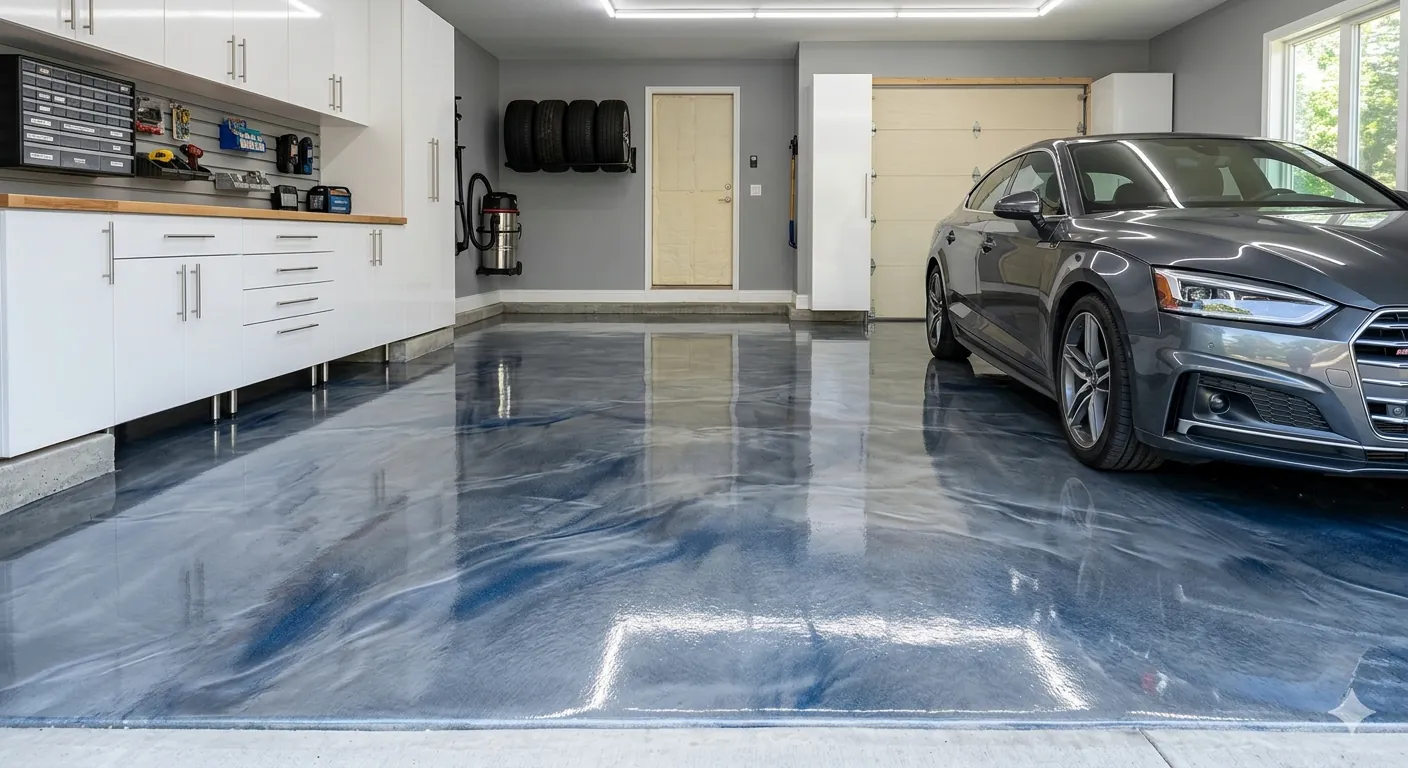
How Much Is Epoxy Flooring Per Square Foot
Complete cost breakdown for epoxy flooring — garage, basement, and commercial. Materials, labor, and DIY vs pro pricing.
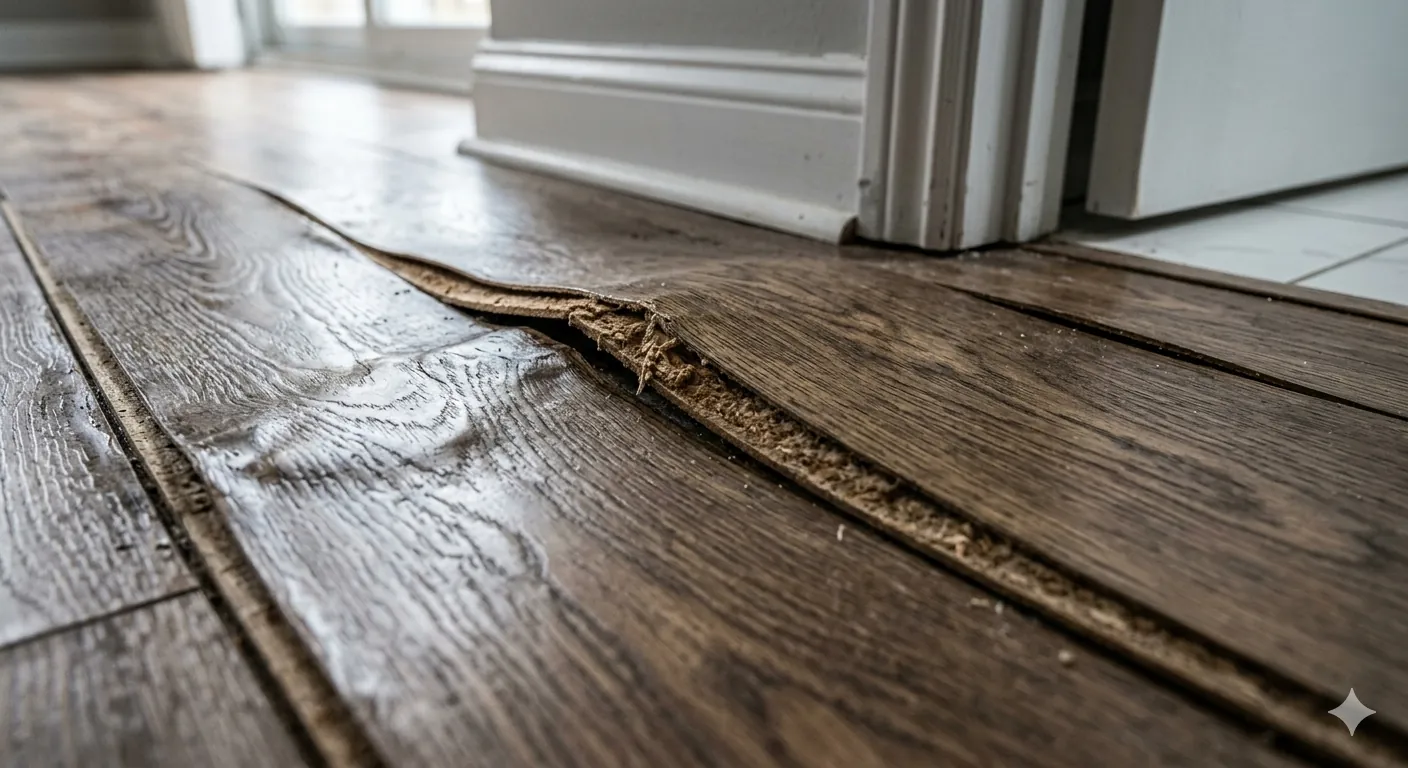
How to Repair Swollen Laminate Flooring Without Replacing
Fix water-damaged laminate floors without tearing everything out. DIY repair methods that actually work.
Related Topics
Disclaimer: This content is for informational purposes only and does not constitute professional flooring advice. Always consult a licensed contractor for major installations. HouseFixGuide may earn a commission from links on this page.