Windows & Doors: The Complete Guide to Replacement, Repair & Energy Savings
Browse Articles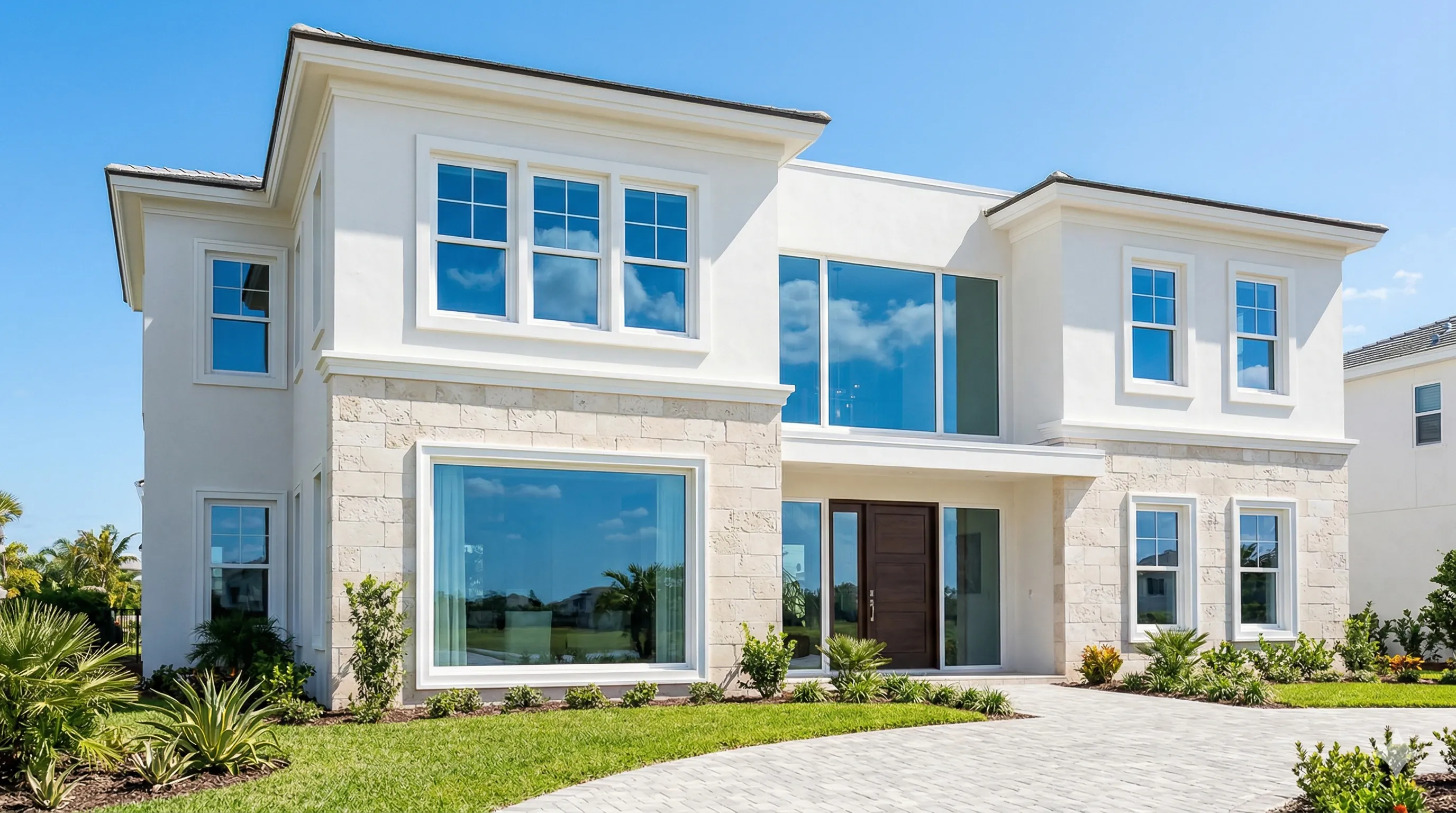
Windows and doors are your home's primary interface with the outside world. They control natural light, ventilation, energy efficiency, security, curb appeal, and comfort. Drafty single-pane windows can account for 25–30% of your heating and cooling costs, while a poorly sealed exterior door lets in enough air to feel a noticeable draft from across the room.
This comprehensive windows and doors guide covers everything homeowners need to know — from choosing replacement windows and understanding glass technology to installing screen doors, repairing sliding glass doors, and improving your home's energy efficiency through proper sealing and weatherstripping.
Window Types & Styles
Choosing the right window style affects ventilation, aesthetics, ease of cleaning, and cost. Here are the most common residential window types:
- Double-hung windows — both upper and lower sashes slide vertically. Most popular in American homes. Both sashes tilt inward for easy cleaning. Good ventilation from top and bottom.
- Single-hung windows — only the bottom sash moves. Less expensive than double-hung (10–20% savings) but less versatile for ventilation and harder to clean the exterior of the upper sash.
- Casement windows — hinged on one side, crank open outward. Excellent seal when closed (the sash compresses against the frame). Best for catching cross breezes. Common in contemporary and modern homes.
- Sliding windows — one or both panels slide horizontally on tracks. Simple operation, good for wide openings. Popular above kitchen sinks where reaching a crank would be difficult.
- Picture windows — fixed (non-opening) large panes for maximum light and views. Most energy-efficient because there are no moving parts to leak air. Often combined with operable windows on the sides.
- Bay and bow windows — project outward from the wall, creating a shelf or seating area inside. Bay windows typically have three panels; bow windows have four or five. Add architectural interest and interior space.
- Awning windows — hinged at the top, open outward from the bottom. Can be left open during light rain without water entering. Common in bathrooms and basements.
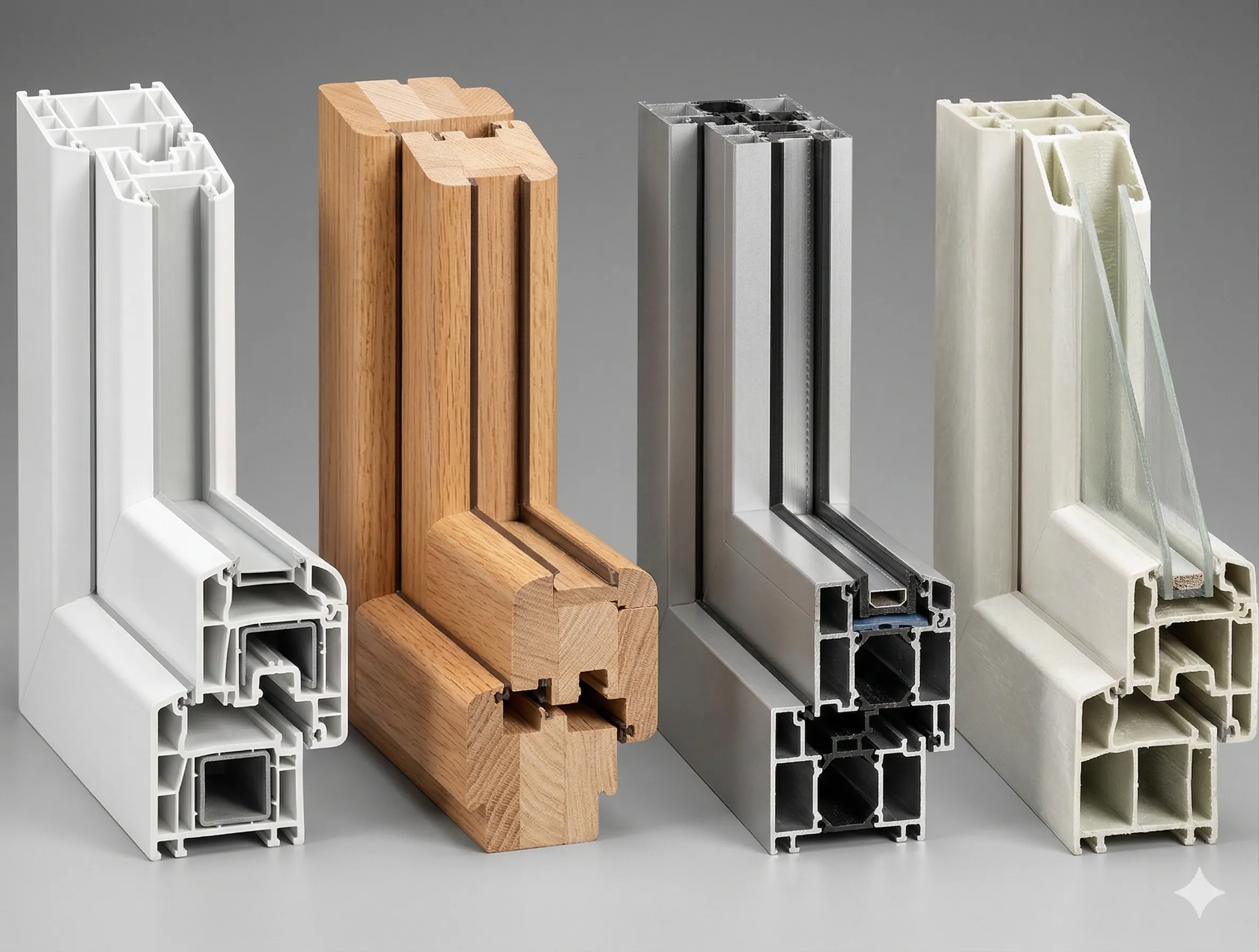
Window Frame Materials Compared
| Frame Material | Cost Range | Durability | Energy Efficiency | Maintenance |
|---|---|---|---|---|
| Vinyl (uPVC) | $200–$600 | 20–30 years | Excellent | Zero — never paint |
| Wood | $400–$1,200 | 30–50+ years | Very good | High — paint/stain every 3–5 years |
| Aluminum | $200–$500 | 30–40 years | Poor (conducts heat) | Low — may corrode in coastal areas |
| Fiberglass | $500–$1,000 | 40–50+ years | Excellent | Very low — optional painting |
| Wood-clad (vinyl/aluminum exterior) | $600–$1,500 | 40+ years | Excellent | Low exterior, wood interior maintainence |
Vinyl windows dominate the replacement market because they offer the best balance of cost, energy efficiency, and zero maintenance. For homeowners who want the warmth and beauty of real wood on the interior but low maintenance on the exterior, wood-clad windows from brands like Andersen, Pella, and Marvin are the premium choice.
Understanding Window Glass Technology
Modern window glass technology has advanced dramatically. The glass package often matters more than the frame material for energy performance:
- Double-pane (insulated glass) — two panes of glass with an air or gas-filled gap between them. Standard for all modern windows. R-value of 3–4.
- Triple-pane — three panes with two gas-filled gaps. 20–30% more energy-efficient than double-pane. Worth the investment in extreme climates (northern U.S., Canada). R-value of 5–7.
- Low-E coating — a microscopic metallic coating that reflects infrared heat while allowing visible light through. Low-E windows reduce heat gain in summer and heat loss in winter. Most new windows include Low-E as standard.
- Argon or krypton gas fill — inert gases between panes insulate better than air. Argon is standard; krypton is used in triple-pane windows with narrower gaps.
- Laminated glass — glass bonded with an interlayer (like a car windshield). Resists break-ins, reduces noise by 50%, and blocks 99% of UV rays. Popular for security and noise reduction.
- Tempered glass — heat-treated to be 4× stronger than standard glass. Required by code in certain locations: near doors, in bathrooms, near stairs, and within 18 inches of the floor.
Window Replacement: When and How
Knowing when to replace your windows versus when to repair them saves money. Replace when:
- Single-pane windows — any single-pane window should be upgraded; the energy savings alone justify the cost within 5–7 years
- Foggy or condensation between panes — the insulated glass seal has failed; the gas fill has leaked out and moisture has entered. The entire sash or glass panel needs replacement.
- Drafts you can feel — hold a candle near the window frame and watch for flickering. Significant air infiltration means the weatherstripping, frame, or both have degraded beyond repair.
- Difficulty opening or closing — warped frames, failed balances (double-hung), or corroded hardware that makes windows inoperable
- Visible wood rot in frames — soft, crumbling wood around the frame means structural damage that patches can't fix long-term
The cost to replace windows varies widely. How much does it cost to replace windows depends on window size, frame material, glass package, and whether you choose insert (replacement) windows or full-frame new construction windows:
- Insert replacement vinyl window — $300–$600 installed (uses existing frame)
- Full-frame vinyl window — $500–$900 installed (removes old frame entirely)
- Wood or fiberglass window — $700–$1,500 installed
- Whole-house project (10–15 windows) — $4,000–$15,000 total
Exterior Door Types
Your front door is the focal point of your home's curb appeal. Choosing the right exterior door material affects durability, security, insulation, and the impression your home makes:
- Fiberglass doors — the most popular choice for exterior doors. They resist dents, won't warp or rot, insulate well (R-value 5–6), and can be stained to mimic real wood grain. Cost: $500–$2,500.
- Steel doors — most secure and affordable. Excellent insulation when foam-filled (R-value 6–7). The downside: steel dents and will rust if the finish is scratched. Cost: $300–$1,500.
- Solid wood doors — beautiful but high-maintenance. Require refinishing every 1–2 years to prevent warping, cracking, and rot. Best for covered entries. Cost: $800–$4,000+.
- French doors — double doors with glass panels. Excellent for patios and rear entries. Consider impact-rated glass in storm-prone areas. Cost: $1,000–$5,000 per pair.
How to Install a Screen Door
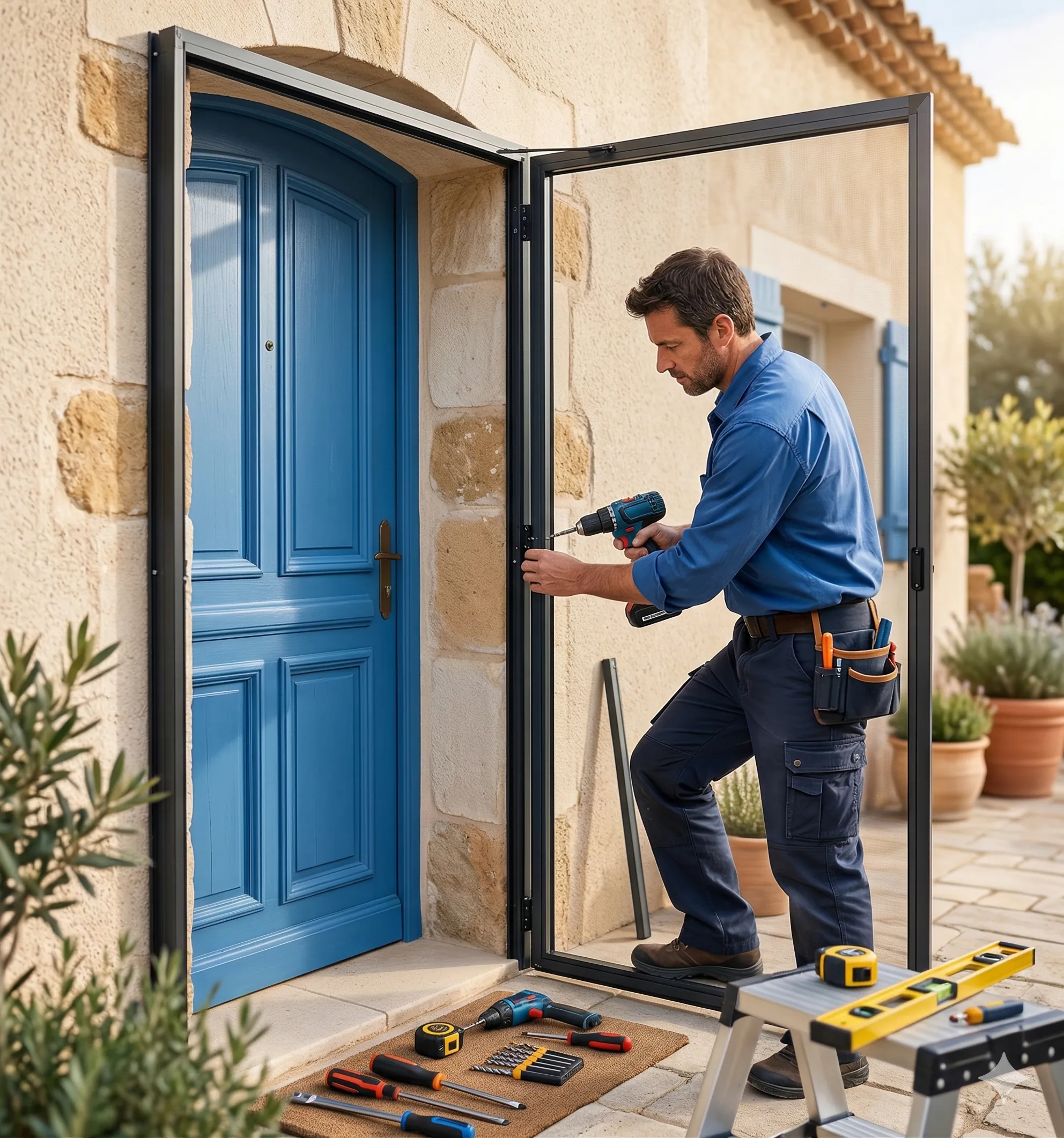
A screen door is one of the simplest and most rewarding DIY door projects. Installing a screen door lets you enjoy fresh air and natural ventilation while keeping insects out. Most screen door installations take 1–2 hours with basic tools.
Screen Door Types
- Hinged screen doors — traditional swinging screen doors, either wood or aluminum frame. Self-closing with a pneumatic closer. $50–$200.
- Retractable screen doors — roll up into a housing when not in use, maintaining the look of your entry door. $150–$400.
- Sliding screen doors — for patio/sliding glass door openings. Ride on a top and bottom track. $50–$150.
- Magnetic screen doors — mesh panels with magnetic closures down the center. Easiest to install (no tools), but least durable. $15–$40.
Installation Steps (Hinged Screen Door)
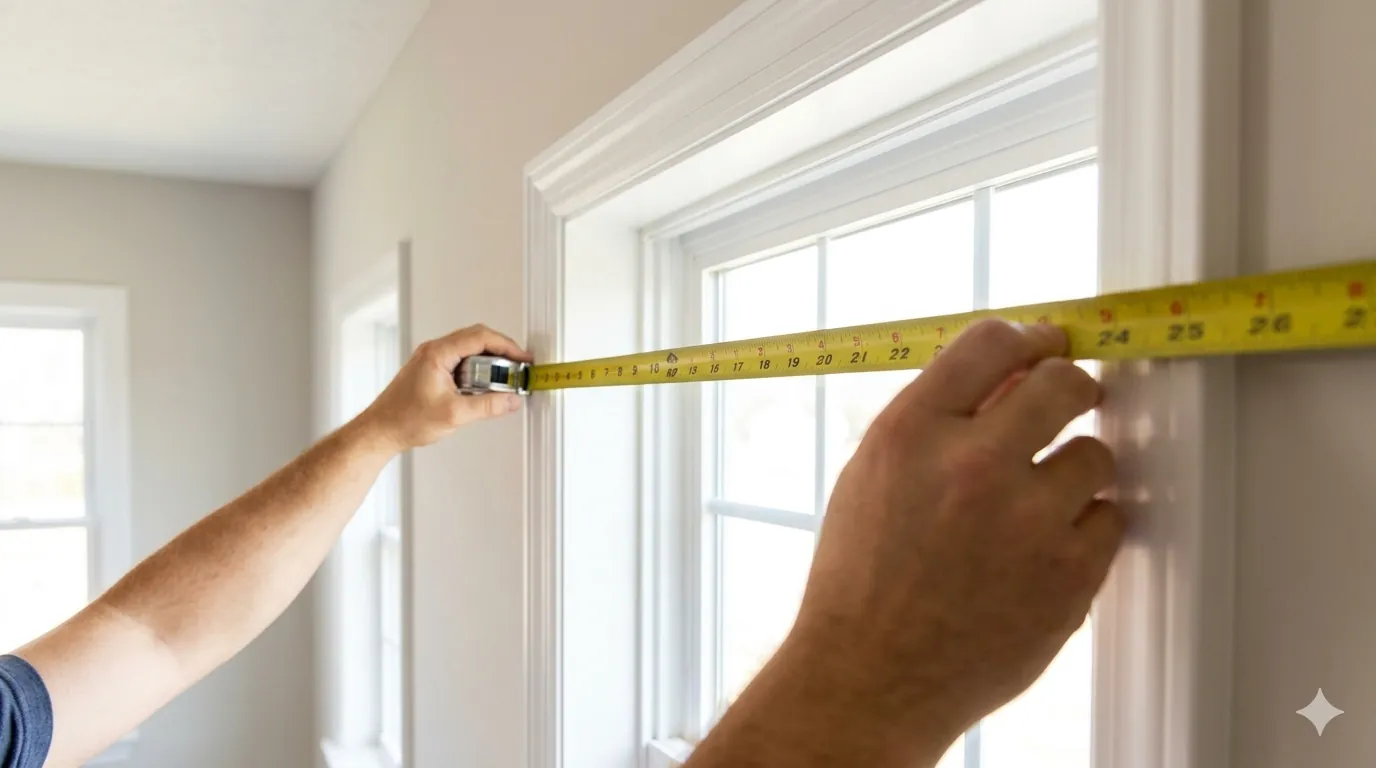
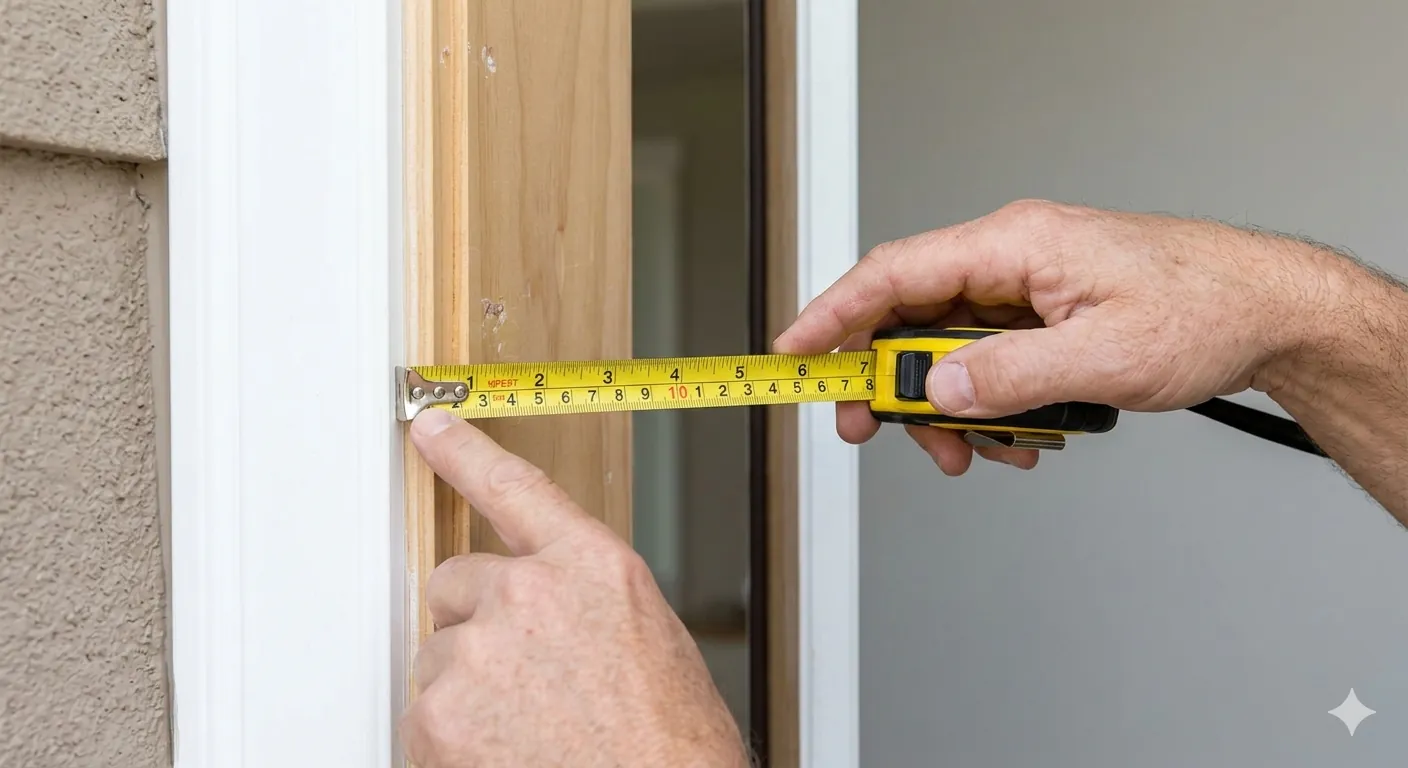
- Measure your door opening (width and height) at multiple points — frames aren't always perfectly square
- Select a screen door that fits your opening or can be trimmed to fit
- Install the hinge-side Z-bar (mounting strip) first, using the pre-drilled holes as guides
- Mount the door to the Z-bar hinges and check the swing
- Install the latch-side Z-bar, adjusting for an even gap around the door
- Install the pneumatic closer — position it on the hinge side, about 12 inches from the top
- Add the handle set and latch
- Adjust the closer tension so the door closes smoothly without slamming
Sliding Glass Door Repair
Sliding glass doors that stick, drag, or won't lock properly are one of the most common door complaints. Before replacing the entire door ($1,000–$3,000+), try these repairs that solve most sliding door problems for under $50:
- Clean the bottom track — remove debris, dirt, and pet hair with a vacuum, then scrub with a stiff brush and soapy water. This alone fixes 40% of sticking sliding doors.
- Lubricate the track — apply silicone spray lubricant (not WD-40) to the bottom track and roller area
- Adjust the rollers — most sliding doors have adjustment screws at the bottom edge. Turn clockwise to raise the door (increases clearance) or counter-clockwise to lower it. Small adjustments of 1/4 turn make a big difference.
- Replace worn rollers — if the door still drags after cleaning and adjusting, the rollers may be worn or broken. Replacement roller kits cost $15–$30 and most homeowners can swap them in under an hour.
- Fix the lock — a misaligned latch is usually caused by the door sitting too high or low. Adjust the rollers until the latch aligns with the keeper on the frame.
- Replace the weatherstripping — worn weatherstrip along the sides and bottom allows drafts and insects. Peel off the old strip and press on new adhesive-backed weatherstrip ($10–$20).
Weatherstripping & Sealing
Weatherstripping is the cheapest energy improvement any homeowner can make. The Department of Energy estimates that air leaks around windows and doors account for 25–30% of heating and cooling energy use. A $30 roll of weatherstrip foam can save $200+ per year.
Weatherstripping Types
- Adhesive foam tape — easiest to apply; press-on strips for windows and doors. Lasts 1–3 years. Best for irregular gaps.
- V-strip (tension seal) — durable plastic or metal V-shaped strip. Lasts 3–5 years. Excellent for double-hung window channels.
- Door sweeps — aluminum or rubber sweeps mounted to the bottom of exterior doors. Essential for blocking the gap between the door and threshold.
- Bulb weatherstrip — a tubular rubber or silicone strip that compresses when the door closes. Most durable option for exterior doors. Lasts 5–10 years.
- Interlocking metal — professional-grade strips that interlock when the door closes. Most airtight seal available. Typically installer-applied.
Windows & Doors Costs in 2026
| Project | Cost Range | DIY Possible? |
|---|---|---|
| Vinyl replacement window (each) | $300–$600 | Moderate |
| Wood/fiberglass window (each) | $700–$1,500 | No — hire installer |
| Whole-house windows (10–15) | $4,000–$15,000 | No |
| Screen door (hinged) | $100–$300 installed | Yes ★★★ |
| Retractable screen door | $200–$500 installed | Moderate |
| Entry door (fiberglass/steel) | $1,000–$3,000 installed | Moderate |
| Sliding glass door replacement | $1,000–$3,500 installed | No |
| Weatherstripping (whole house) | $30–$100 DIY | Yes ★★★ |
Energy Efficiency & Savings
Upgrading from single-pane windows to ENERGY STAR-rated double-pane Low-E windows saves the average homeowner $126–$465 per year in energy costs, depending on climate zone and home size. The payback period for window replacement purely on energy savings is typically 10–15 years — but when you factor in increased comfort, reduced noise, and improved home value, the investment becomes much more favorable.
The quickest wins for improving your home's window and door energy efficiency:
- Weatherstrip all exterior doors — biggest bang for your buck ($30 and 2 hours of work)
- Caulk window frames — seal gaps between the window frame and wall with exterior-grade silicone caulk
- Add window film — low-E film kits ($20–$40) applied to existing glass reduce heat transfer
- Install storm windows — interior or exterior storm windows add an insulating air gap without replacing existing windows
- Replace windows — the biggest investment but the biggest long-term payoff
Frequently Asked Questions About Windows & Doors
Windows & Doors Articles
Related Topics
Disclaimer: This content is for informational purposes only. Always consult licensed contractors for window and door installation. HouseFixGuide may earn a commission from links on this page.