Pest Control: The Complete Guide to Termites, Rodents, Ants & Home Prevention
Browse Articles
Every home — new or old, clean or messy, urban or rural — will encounter pest problems at some point. Ants march across the kitchen counter, mice scratch inside walls during winter, termites silently eat the wood structure from the inside, and wasps build nests in every eave and soffit they can find.
The key to effective pest control is understanding each pest's behavior, entry methods, and the most effective treatment strategy — which varies dramatically from pest to pest. A treatment that works brilliantly for ants (bait stations) is completely wrong for rodents, and what works for mice (sealing entry points) doesn't help with bed bugs. This comprehensive pest control guide covers identification, treatment, and prevention for every common household pest.
Termites: Detection & Treatment
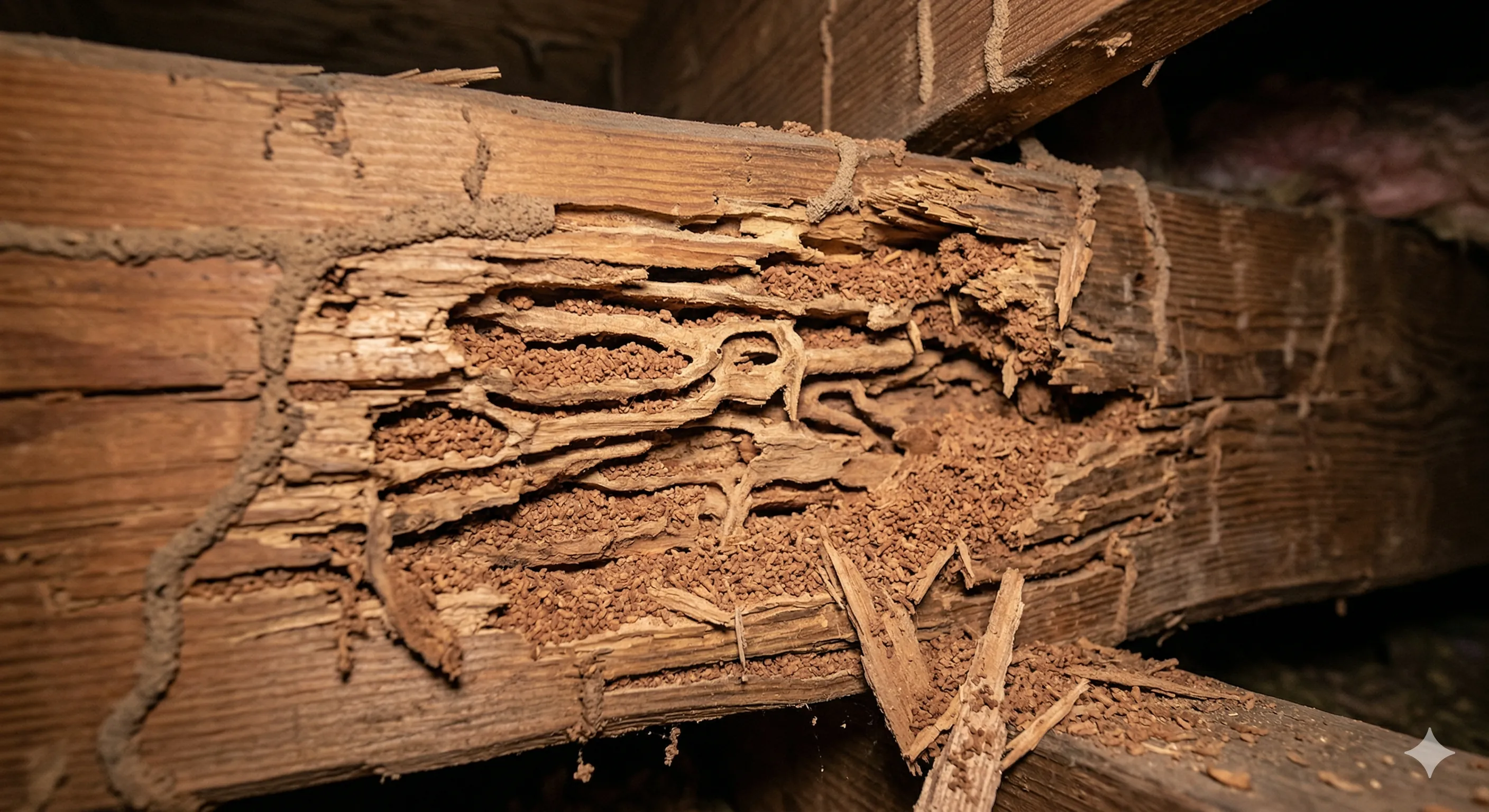
Termites are the most destructive pest in America. Subterranean termites — the most common type — build mud tubes from the soil to your home's wood framing and can eat a 2x4 from the inside out in as little as 5 months. Because they eat from the inside, damage is often extensive before it's discovered.
Signs of Termite Infestation
- Mud tubes — pencil-width brown tubes on foundation walls, piers, or pipes leading from the ground to the wood framing. These are the highway termites use to travel between soil and your home.
- Hollow-sounding wood — tap wood framing with a screwdriver handle. Termite-damaged wood sounds hollow or papery.
- Discarded wings — termite swarmers (reproductive termites) shed their wings after mating. Piles of small identical wings near windows or foundations indicate a nearby colony.
- Frass (droppings) — drywood termites push tiny wood-colored pellets out of their tunnels. Small piles of granular material near wood indicate drywood termites.
- Sagging floors or doors — advanced termite damage weakens structural members, causing visible sagging or doors/windows that stick.
Termite Treatment Options
| Treatment | Cost | How It Works | Best For |
|---|---|---|---|
| Liquid barrier (Termidor) | $1,200–$2,500 | Trench around foundation, apply non-repellent termiticide | Subterranean termites, proven effectiveness |
| Bait stations (Sentricon, Trelona) | $1,500–$3,000 + $200–$400/year monitoring | Stations around perimeter; termites feed and spread poison to colony | Ongoing protection, eco-friendly |
| Fumigation (tenting) | $1,500–$5,000 | Entire home tented and filled with gas | Drywood termites, whole-house infestation |
| Spot treatment | $200–$800 | Targeted application to specific areas | Localized drywood termite colonies |
Rodent Control: Mice & Rats
Mice and rats are the most common mammal pests in homes. They contaminate food, spread disease, chew electrical wiring (a fire hazard), and multiply rapidly — a single pair of mice can produce 60+ offspring per year.
How to Get Rid of Mice
- Seal entry points — the most critical step. Mice can squeeze through a hole the size of a dime (1/4 inch). Seal gaps around pipes, wires, vents, and foundations with steel wool stuffed into the gap and covered with caulk. Mice cannot chew through steel wool.
- Set snap traps — traditional snap traps are the most effective and humane method. Place them perpendicular to walls (trigger end toward the wall) in areas where you see droppings or hear scratching. Use peanut butter as bait.
- Remove food sources — store all food in glass or metal containers. Clean crumbs immediately. Don't leave pet food out overnight.
- Use bait stations — tamper-resistant bait stations with rodenticide for heavy infestations. Place along walls and in areas inaccessible to children and pets.
Important: Never use poison bait without a tamper-resistant bait station. Loose poison is dangerous to children, pets, and wildlife. Also, poisoned rodents often die in walls, creating a terrible smell for weeks.
Mice vs. Rats
| Feature | Mice | Rats |
|---|---|---|
| Size | 2–4 inches (body) | 7–10 inches (body) |
| Entry point size | 1/4 inch (dime) | 1/2 inch (quarter) |
| Droppings | 1/4 inch, pointed ends | 1/2–3/4 inch, blunt ends |
| Behavior | Curious, explore new objects | Cautious, avoid new objects |
| Trap placement | Many traps, close together | Fewer traps, leave for several days before moving |
Ant Identification & Elimination
Ants are the #1 nuisance pest complaint in America. Effective ant control depends on identifying the species, because different ants require completely different treatment approaches:
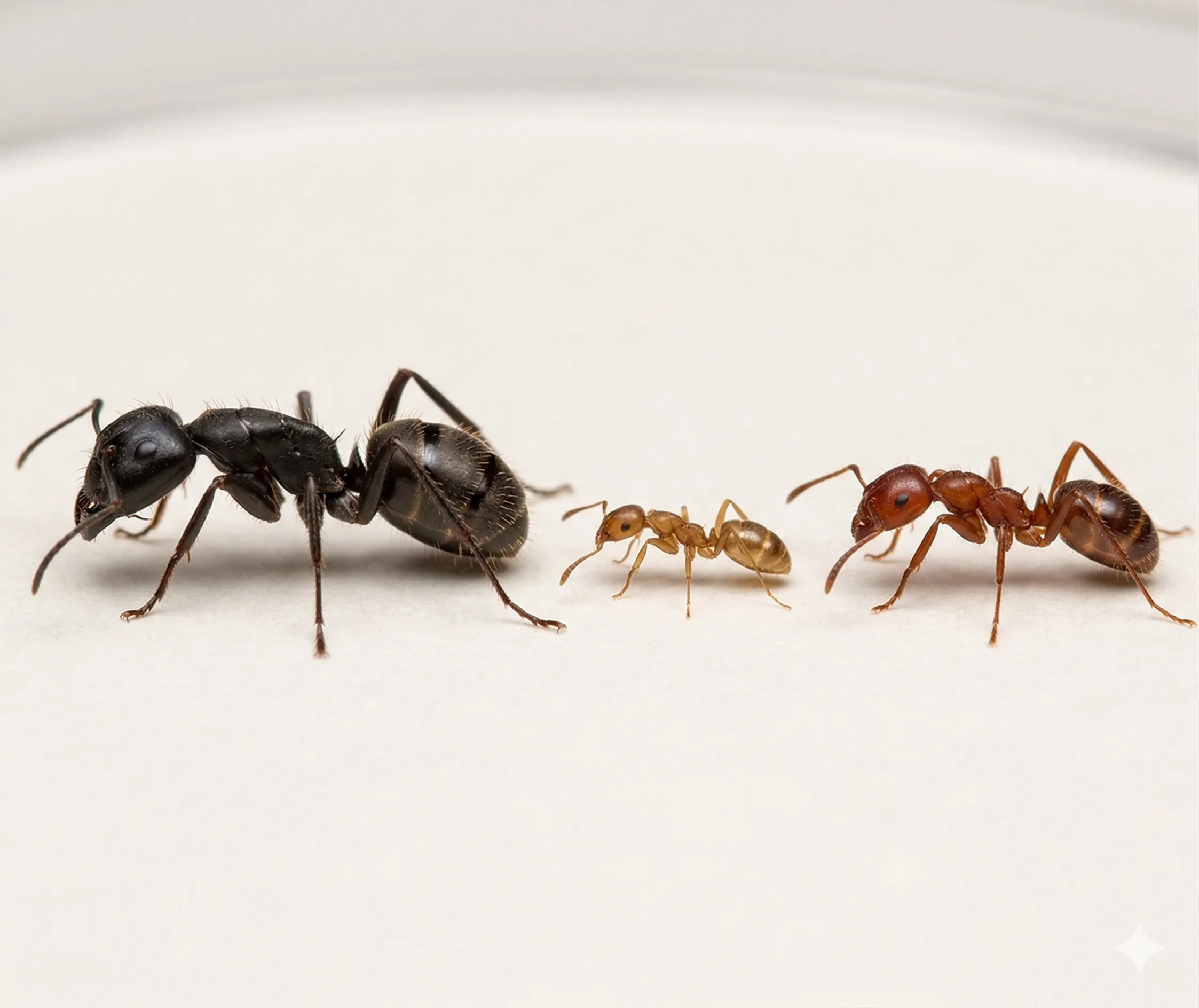
- Sugar ants (odorous house ants) — tiny (1/16–1/8 inch), brown/black ants attracted to sweet foods. Emit a rotten coconut smell when crushed. Treatment: sweet-based liquid bait stations (Terro) placed along ant trails. Do NOT spray — it disperses the colony and makes the problem worse.
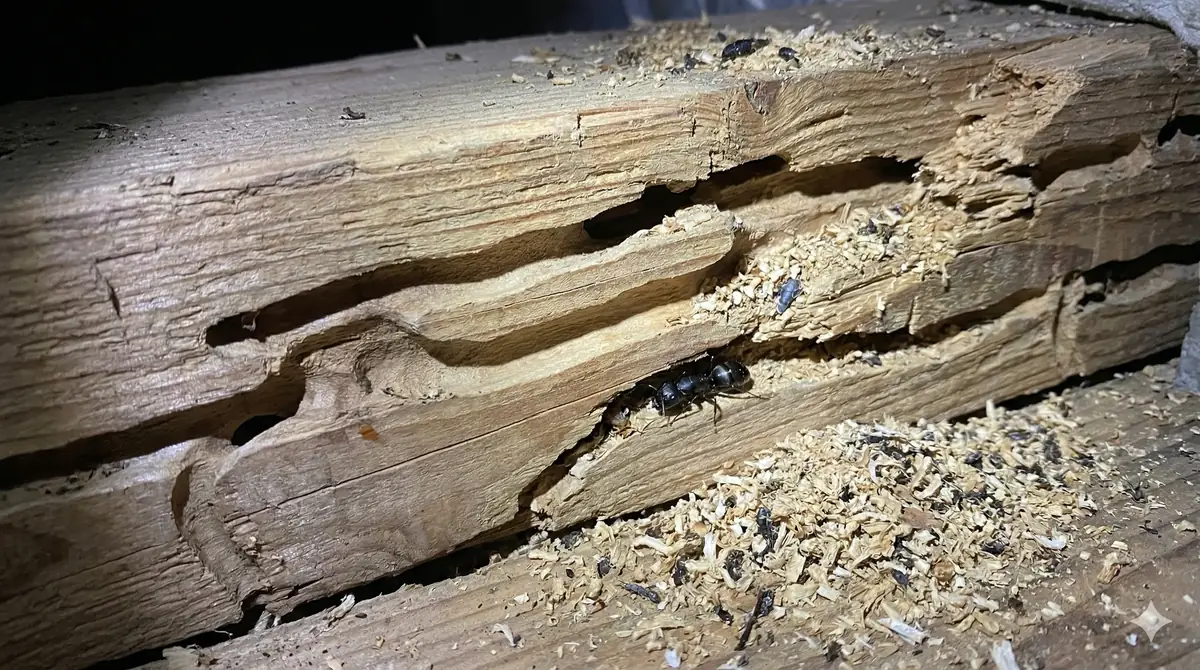
- Carpenter ants — large (1/4–1/2 inch), black ants that nest in moist or damaged wood. Unlike termites, they don't eat wood — they excavate it. Look for sawdust-like frass piles. Treatment: find and eliminate the nest, fix the moisture source. Professional treatment often needed for nests inside walls.
- Fire ants — aggressive red ants with a painful sting. Build prominent mound nests in yards. Treatment: mound drench with approved insecticide or broadcast bait (Amdro) over the entire yard.
- Pavement ants — small brown ants that nest in cracks in concrete. Common in kitchens. Treatment: bait stations and sealing entry cracks.
Cockroach Control
Cockroaches are among the most resilient pests. They reproduce quickly, hide during the day, and can survive on minimal food and water. The key to cockroach control is a multi-pronged approach:
- Gel bait — Advion or Alpine cockroach gel bait applied in small dots behind appliances, under sinks, and in cracks. The most effective single treatment for German cockroaches.
- Boric acid powder — dust lightly behind appliances, inside wall voids, and under cabinets. Cockroaches walk through it, groom their legs, and ingest it. Low toxicity to humans and pets when used properly.
- Seal entry points — caulk gaps around pipes, cover drain openings at night, and seal cracks along baseboards
- Eliminate moisture — fix dripping faucets, empty drip trays, and ensure good ventilation in bathrooms and basements. Cockroaches can survive weeks without food but only days without water.
- IGR (Insect Growth Regulator) — prevents juvenile cockroaches from reaching reproductive maturity. Used alongside bait for long-term colony elimination.
Bed Bug Treatment
Bed bugs are the pest homeowners dread most — and with good reason. They're extremely difficult to eliminate without professional help, resistant to many consumer-grade pesticides, and spread easily via luggage, furniture, and clothing.
Signs of Bed Bugs
- Itchy red bites in lines or clusters, often appearing overnight
- Small blood spots on sheets from crushed bugs
- Tiny dark spots (fecal stains) on mattress seams and nearby surfaces
- Live bugs — flat, oval, reddish-brown, about the size of an apple seed
- Cast skins (shed exoskeletons) near hiding spots
Treatment Options
- Professional heat treatment ($1,500–$4,000) — the most effective method. The entire room or home is heated to 120–140°F for several hours, killing all life stages. One treatment usually sufficient.
- Professional chemical treatment ($300–$1,000 per room) — targeted pesticide application. Usually requires 2–3 treatments over several weeks.
- DIY measures (supplement only) — encasements on mattress and box spring ($30–$80), diatomaceous earth in cracks, vacuuming, and laundering bedding at 130°F+. DIY alone rarely eliminates an established infestation.
Wasps, Hornets & Bees
Stinging insect nests near your home are a safety concern, especially for anyone with allergies. Identification determines the approach:
- Paper wasps — small open nests under eaves, deck railings, and porch ceilings. Generally non-aggressive unless disturbed. Knock down small nests with a wasp spray from 15+ feet, or at night when wasps are dormant. Spray costs $5–$10.
- Yellow jackets — aggressive social wasps that nest in the ground or in wall voids. Extremely defensive of their nest. Professional removal recommended ($100–$300). Ground nests can be treated at night with approved dusts.
- Bald-faced hornets — large paper nests in trees and under overhangs. Very aggressive. Professional removal strongly recommended ($150–$400).
- Honeybees — beneficial pollinators. If a honeybee swarm appears on your property, contact a local beekeeper for free live removal rather than extermination. Many beekeepers will relocate swarms at no cost.
Spiders
Most household spiders are harmless and actually beneficial — they eat mosquitoes, flies, and other pests. Only two spiders in the U.S. are medically significant: the brown recluse (fiddle-shaped marking on back, southern states) and the black widow (red hourglass on belly, nationwide).
To reduce spiders: remove webs regularly, reduce outdoor lighting that attracts insects (spider food), seal entry points, and apply a residual insecticide barrier around the foundation perimeter. Sticky traps in corners and basements help monitor and catch spiders.
Whole-Home Pest Prevention Checklist
- Seal the exterior — caulk gaps around windows, doors, pipes, and wires. Install door sweeps. Repair torn screens.
- Manage moisture — fix leaks promptly, ensure gutters drain away from the foundation, use dehumidifiers in damp basements. Moisture attracts termites, cockroaches, carpenter ants, and silverfish.
- Store food properly — keep all food in sealed containers. Clean up crumbs and spills immediately. Don't leave pet food out overnight.
- Manage trash — use tight-fitting lids on outdoor trash cans. Take trash out regularly. Clean recycling containers.
- Trim vegetation — keep trees, shrubs, and mulch at least 12 inches away from the foundation. Branches touching the house are highways for ants, rodents, and other pests.
- Store firewood properly — keep firewood at least 20 feet from the house and 5 inches off the ground. Termites, carpenter ants, and spiders harbor in woodpiles.
- Annual termite inspection — schedule a professional inspection ($75–$150) annually if you're in a termite-prone area
- Reduce clutter — cardboard boxes, paper stacks, and unused items in basements and attics provide nesting material and hiding spots for rodents and insects
Pest Control Costs in 2026
| Service | Cost Range | Frequency |
|---|---|---|
| General pest control (initial) | $150–$400 | One-time |
| Monthly pest prevention plan | $40–$70/month | Monthly |
| Quarterly pest plan | $100–$200/quarter | Quarterly |
| Termite liquid treatment | $1,200–$2,500 | Every 5–10 years |
| Termite bait system | $1,500–$3,000 + monitoring | Ongoing monitoring |
| Rodent exclusion | $200–$600 | One-time (with follow-up) |
| Bed bug heat treatment | $1,500–$4,000 | One-time (usually) |
| Wasp/hornet nest removal | $100–$400 | As needed |
| Termite inspection | $75–$150 | Annually |
Frequently Asked Questions
Pest Control Articles
Related Topics


Disclaimer: This content is for informational purposes only. Always follow pesticide label instructions. For termite and bed bug infestations, professional treatment is strongly recommended. HouseFixGuide may earn a commission from links on this page.