Outdoor & Decks: The Complete Guide to Building, Staining & Maintaining
Browse Articles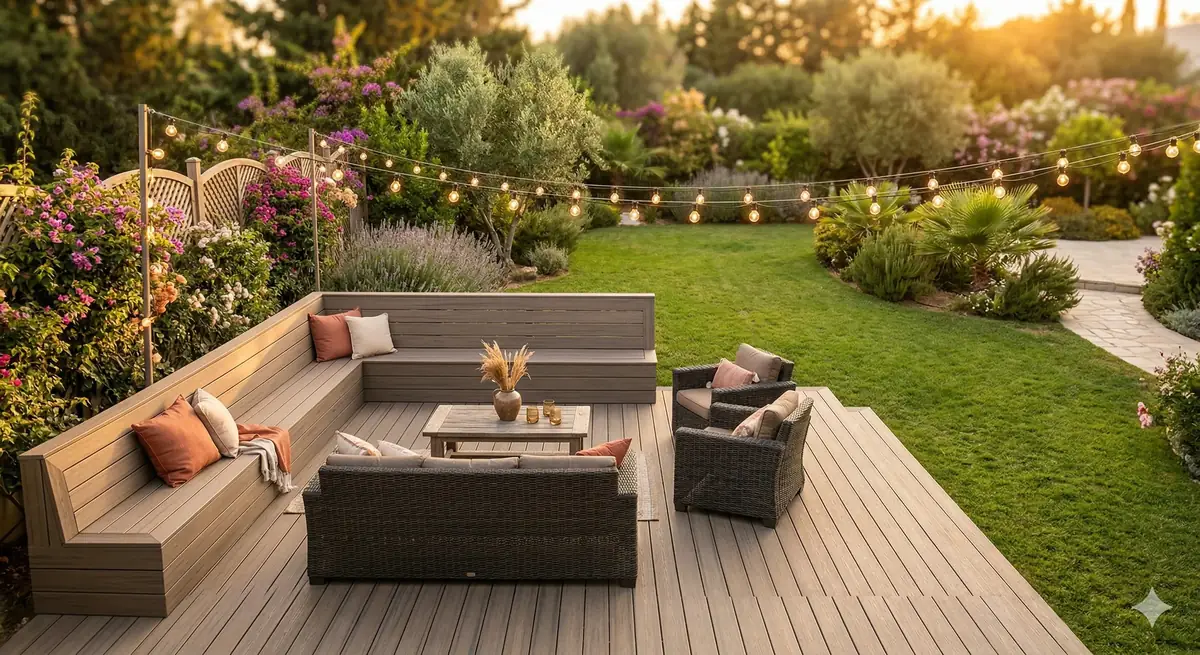
Your outdoor spaces are an extension of your home — a well-built deck adds usable living space, a solid fence provides privacy and security, and thoughtful landscaping increases both curb appeal and property value. Outdoor projects are also some of the most satisfying DIY projects because the results are immediately visible and tangible.
This comprehensive outdoor and deck guide covers everything from deck construction and materials to fence repair, patio options, pergola building, outdoor lighting, and seasonal maintenance. Whether you're planning a new deck, staining an existing one, or fixing fence damage from last winter's storm, this guide gives you the knowledge to get it done right.
Deck Materials Compared
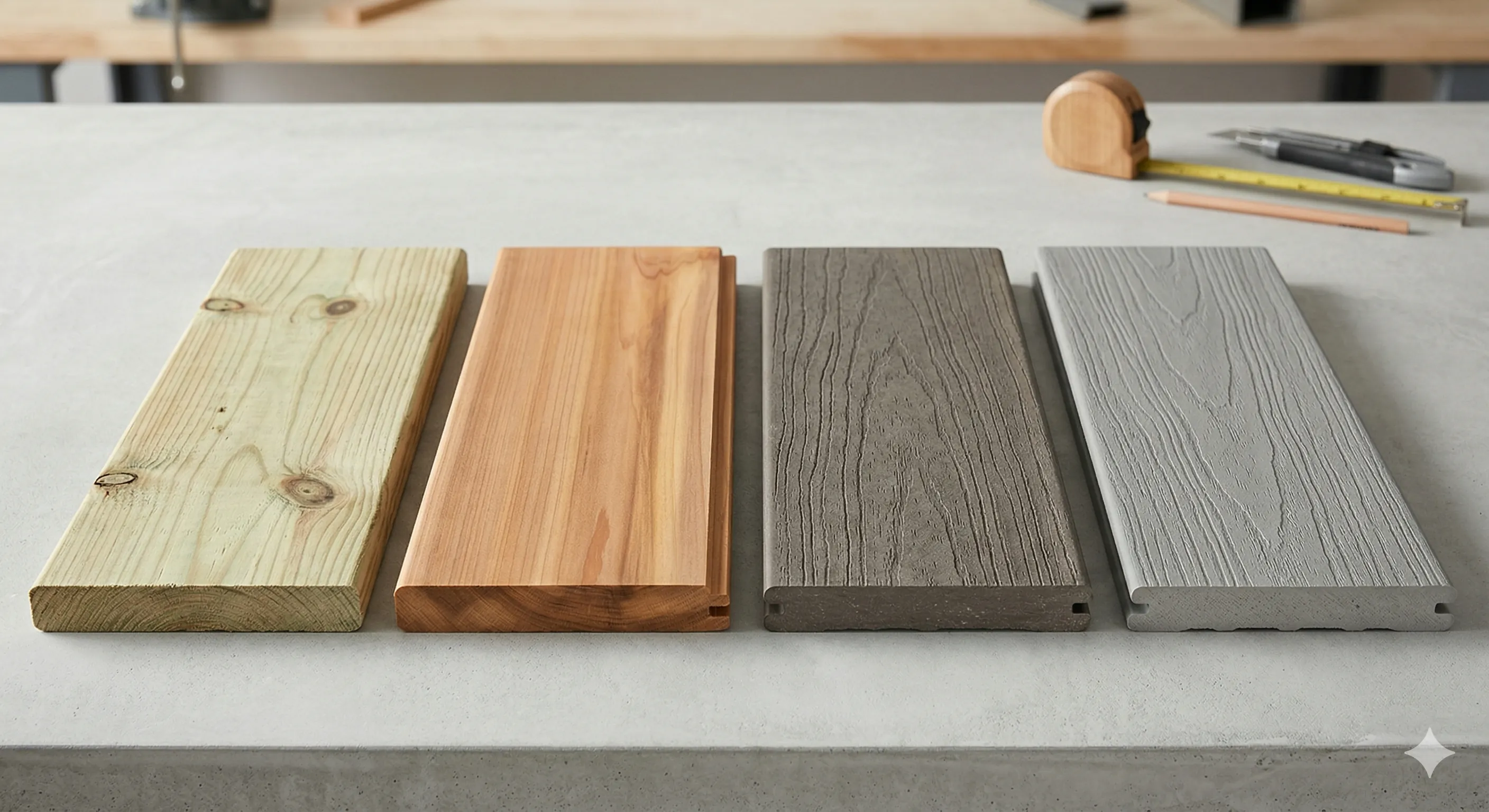
| Material | Cost/sq ft (materials) | Lifespan | Maintenance | Best For |
|---|---|---|---|---|
| Pressure-treated pine | $2–$5 | 15–25 years | Stain every 2–3 years | Budget decks, DIY projects |
| Cedar | $4–$8 | 15–25 years | Stain every 2–3 years | Natural beauty, insect resistance |
| Redwood | $6–$12 | 25–30 years | Seal every 2 years | Premium natural look (limited availability) |
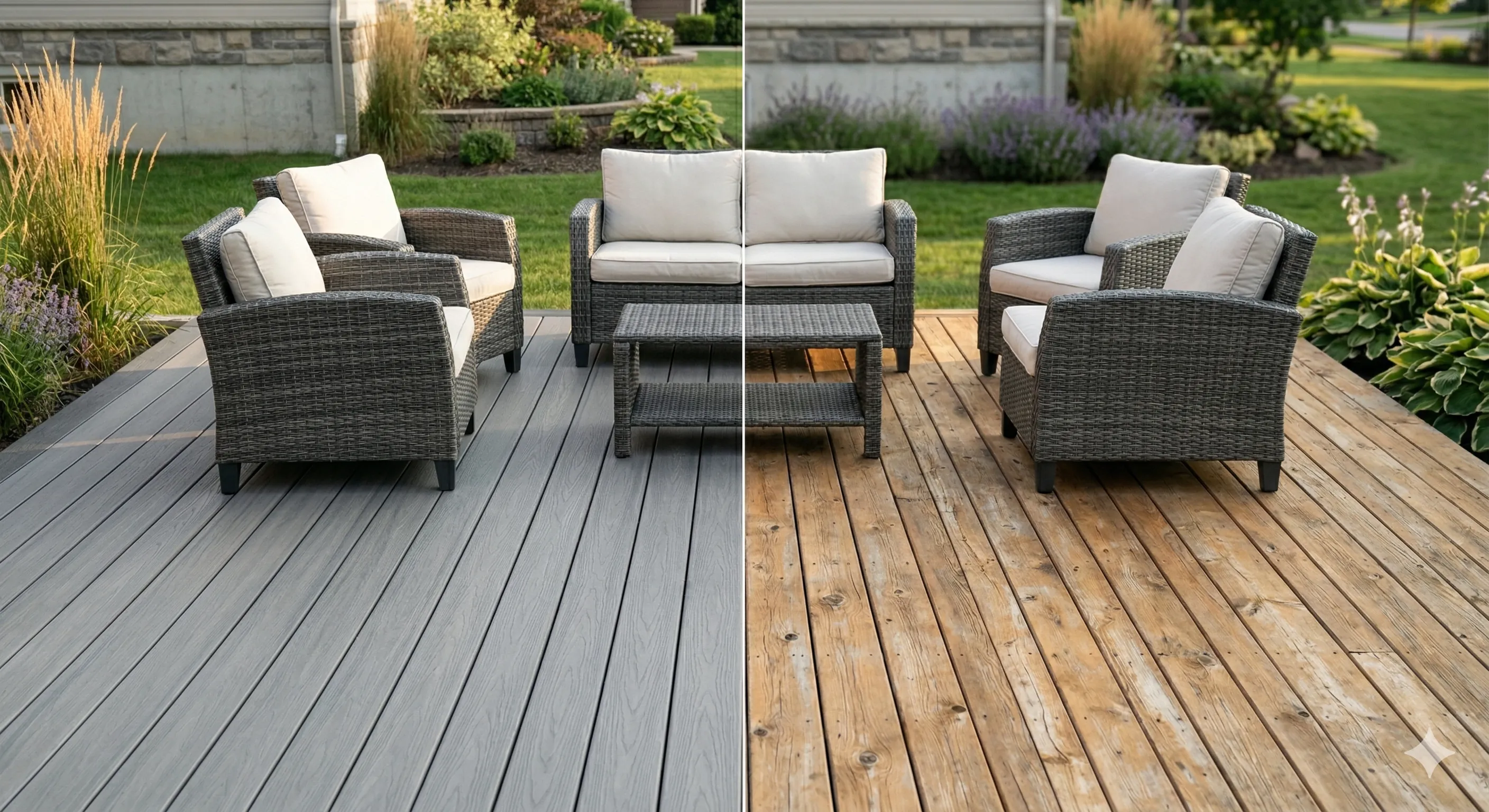
| Composite (Trex, TimberTech) | $6–$12 | 25–50 years | Annual wash only | Low maintenance, no splinters |
| PVC (Azek) | $8–$15 | 30–50+ years | Annual wash only | Maximum moisture resistance |
| Ipe (Brazilian hardwood) | $10–$20 | 40–75 years | Annual oiling optional | Ultra-premium, commercial-grade |
Composite decking has surged in popularity because it requires virtually no maintenance — no staining, no sealing, no sanding. It won't crack, splinter, or rot. The higher upfront cost pays for itself within 5–8 years through eliminated maintenance costs. Trex and TimberTech are the market leaders.
Building a Deck
Building a deck requires a building permit in most jurisdictions. Check with your local building department before starting — they'll specify frost depth for footings, railing requirements, and structural specifications.
Key Deck Construction Steps
- Design and permits — create a plan with dimensions, post locations, and railing details. Submit for permit.
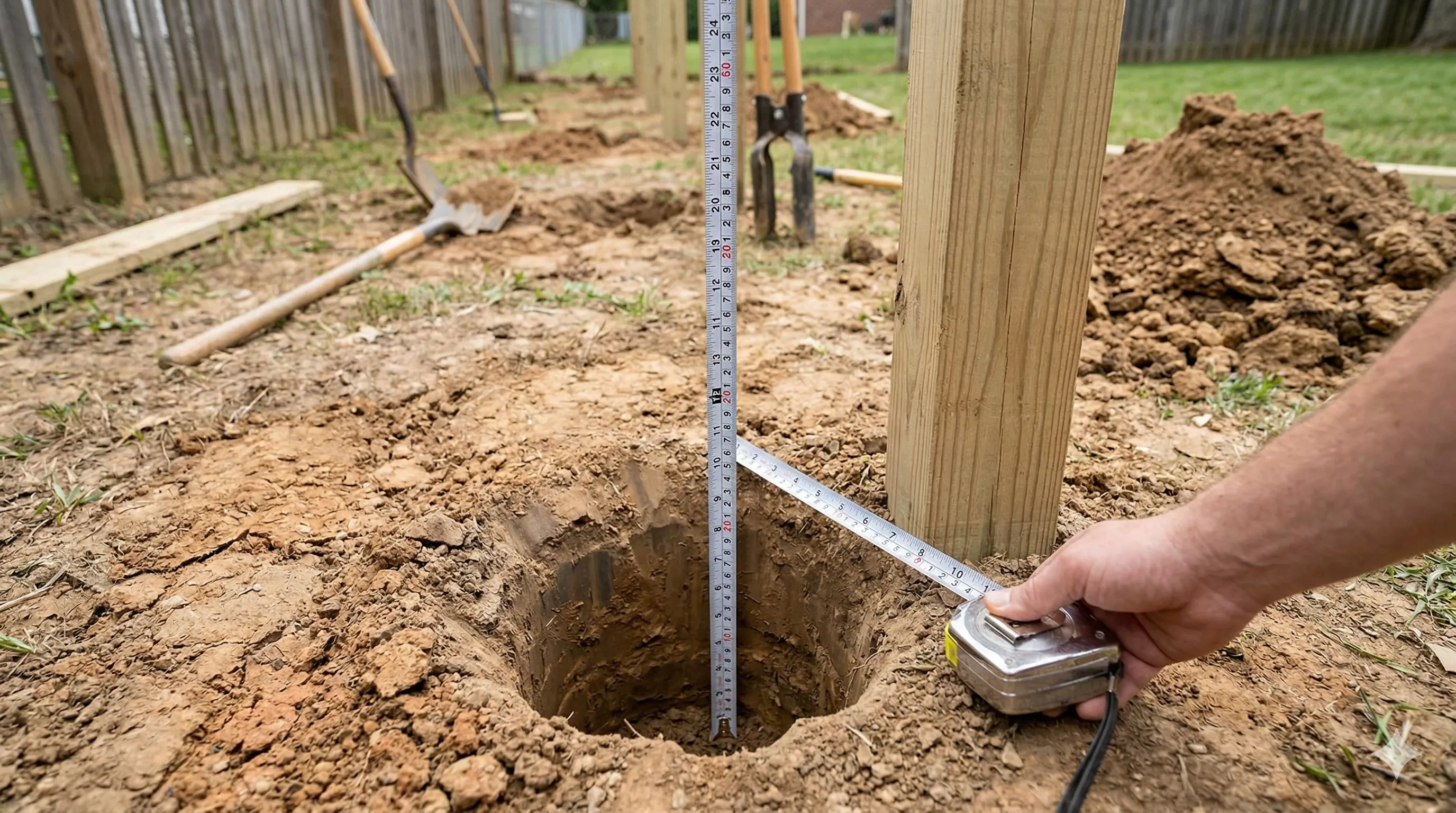
- Layout and footings — mark post locations, dig footings below frost line (varies by region: 12–48 inches), pour concrete footings or install precast piers
- Posts and beams — set 4x4 or 6x6 posts on footings, attach beams with approved post-beam connectors
- Ledger board — if attached to the house, properly flash and bolt the ledger board to the rim joist. Improper ledger attachment is the #1 cause of deck collapses.
- Joists — install 2x8 or 2x10 joists at 16-inch centers (12-inch for composite decking and diagonal patterns)
- Decking — install deck boards perpendicular to joists with deck screws (wood) or hidden fasteners (composite)
- Railing — required for decks 30 inches or more above grade. Must be 36 inches high (42 inches in some jurisdictions) with balusters spaced no more than 4 inches apart.
- Stairs — proper rise/run (7–8 inch rise, 10–11 inch run), with handrails on both sides if width exceeds 44 inches
Deck Staining & Finishing
Staining your deck every 2–3 years is the single most important maintenance task for wood decks. How to stain a deck properly determines whether the finish lasts 1 year or 3 years:
- Wait for dry weather — no rain for 48 hours before or after staining. Temperature between 50–90°F.
- Clean the deck — pressure wash at 1,500–2,000 PSI or use a deck cleaner solution with a stiff brush. Remove all mildew, dirt, and old finish.
- Apply deck brightener (oxalic acid-based) if the wood is gray. This opens the wood pores for better stain absorption.
- Let the deck dry 24–48 hours after cleaning
- Apply stain — use a pump sprayer for speed, then back-brush with a natural bristle brush to work stain into the wood grain. Apply thin coats; avoid puddles.
- Apply a second coat (if needed) while the first coat is still wet. Most penetrating stains don't need a second coat.
Best deck stains for longevity: penetrating oil-based stains (Cabot Australian Timber Oil, TWP 1500 Series, Ready Seal) outperform film-forming stains because they absorb into the wood rather than sitting on the surface and peeling.
Deck Repair & Maintenance
- Popped fasteners — back out the old screw and drive a new one 1 inch away from the original hole
- Warped or cupped boards — flip the board, or replace individual boards that have twisted beyond correction
- Soft/spongy spots — probe with a screwdriver. If it sinks in easily, the wood is rotted. Replace the affected boards and check the joist underneath.
- Wobbly railing — tighten or replace post-to-joist connectors. If the post base is rotted, the entire post needs replacement.
- Mildew growth — clean with a diluted bleach solution (1 part bleach to 3 parts water) or a commercial deck cleaner
Fence Types & Installation
| Fence Type | Cost/linear ft installed | Lifespan | Maintenance |
|---|---|---|---|
| Wood privacy (cedar/PT) | $15–$30 | 15–25 years | Stain every 2–3 years |
| Vinyl (PVC) | $20–$40 | 30–50 years | Annual wash |
| Chain-link | $10–$20 | 20–30 years | Minimal |
| Aluminum ornamental | $25–$45 | 30–50 years | None |
| Wrought iron | $25–$50 | 50+ years | Rust prevention |
| Composite | $25–$45 | 25–50 years | Annual wash |
Fence Repair Guide
Common fence repairs that homeowners can handle DIY:
- Loose or broken pickets — pry off the damaged picket, measure, cut a replacement from matching lumber, and screw it to the rails
- Leaning fence post — dig around the base, straighten, and pour new concrete to fill the hole. Use temporary bracing while concrete sets (24 hours).
- Rotted post base — the most common fence failure. Cut the post at ground level, install a metal post mender bracket ($15–$25), and bolt a new post section into the bracket. Or dig out the old post and set a new one in concrete.
- Sagging gate — install a diagonal anti-sag gate kit ($10–$20) from the bottom hinge corner to the top latch corner
Patio Options
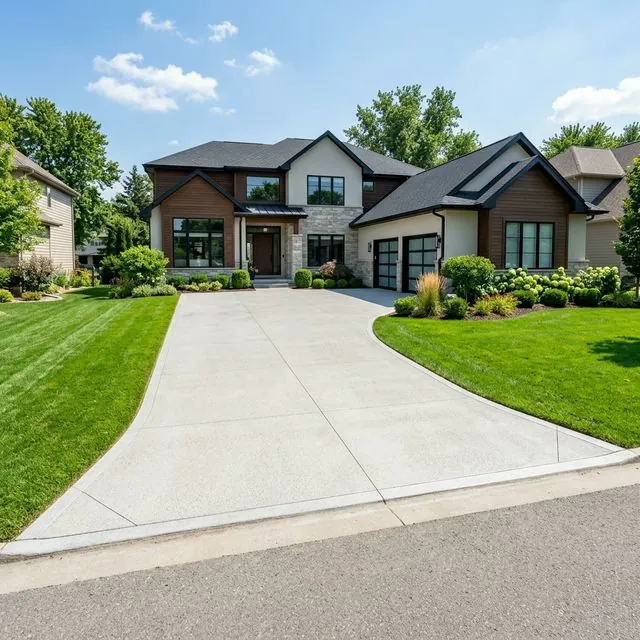
- Concrete patio — $6–$12/sq ft (plain) to $12–$20/sq ft (stamped). See our concrete guide for detailed patio information.
- Paver patio — $10–$25/sq ft installed. Concrete, brick, or natural stone pavers on a compacted gravel and sand base. DIY-friendly with planning.
- Flagstone patio — $15–$30/sq ft installed. Natural stone for a premium, organic look. Can be dry-laid (on sand) or wet-laid (in mortar).
- Gravel patio — $3–$6/sq ft. The most affordable option. Decomposed granite or pea gravel in a bordered area. Quick to install.
Pergolas & Shade Structures
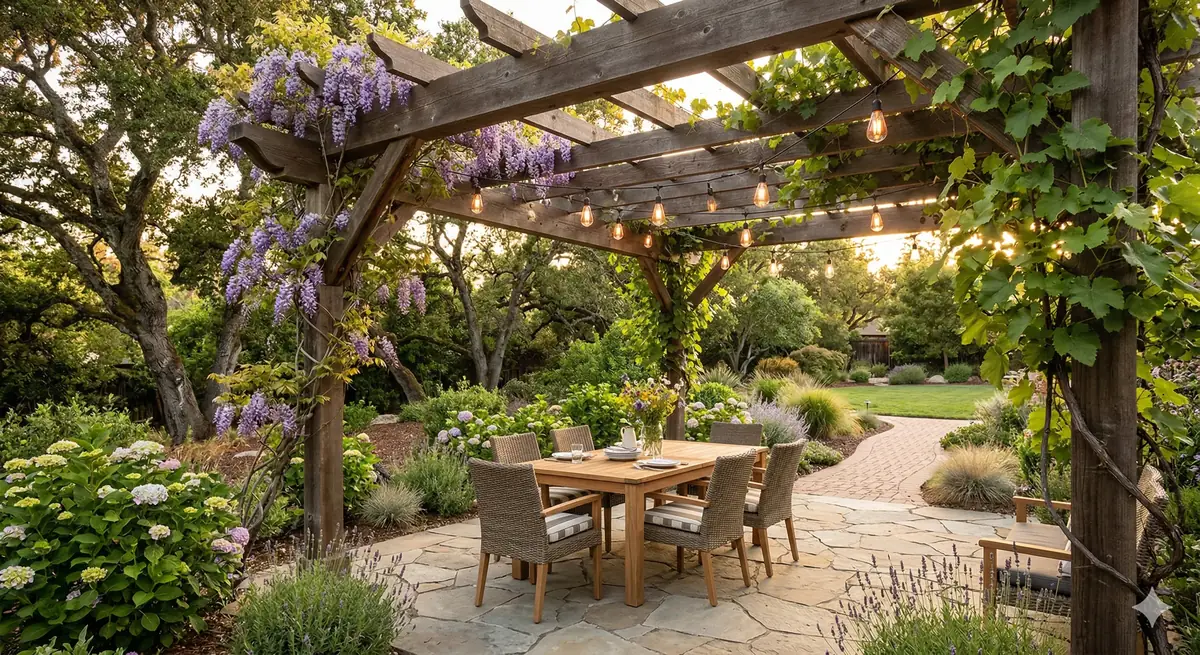
Pergolas add architectural interest and filtered shade to outdoor living spaces. A basic DIY pergola kit costs $500–$2,000; custom-built pergolas run $3,000–$10,000+ installed.
Outdoor Lighting
Outdoor lighting extends usability into evening hours and improves security. Low-voltage LED landscape lighting is the most popular choice — it's energy-efficient, easy to install (no electrician needed), and safe to bury in shallow trenches.
- Path lights — illuminate walkways and garden borders ($5–$25 each)
- Deck and step lights — recessed or surface-mounted lights for safety on stairs and deck edges ($10–$30 each)
- Uplights/spotlights — highlight trees, architectural features, or focal points ($15–$50 each)
- String lights — commercial-grade LED string lights create ambiance for outdoor entertaining ($20–$60 per strand)
- Solar lights — no wiring at all; place anywhere with sun exposure. Quality varies widely. Best for accent lighting, not security.
Outdoor Project Costs in 2026
| Project | Cost Range | DIY Savings |
|---|---|---|
| Wood deck (300 sq ft, PT pine) | $4,500–$7,500 | 40–50% |
| Composite deck (300 sq ft) | $9,000–$18,000 | 30–40% |
| Deck staining (300 sq ft) | $150–$300 DIY / $500–$1,500 pro | 60–80% |
| Wood privacy fence (150 linear ft) | $2,250–$4,500 | 40–50% |
| Paver patio (200 sq ft) | $2,000–$5,000 | 40–50% |
| Pergola (freestanding) | $500–$2,000 kit / $3,000–$10,000 custom | 50–70% |
| Landscape lighting (8–12 fixtures) | $200–$600 DIY / $1,000–$3,000 pro | 60–80% |
Frequently Asked Questions
Outdoor & Decks Articles
Related Tools & Guides
Calculate costs and compare options with these helpful resources:
Related Topics
Disclaimer: Deck construction requires permits in most jurisdictions. This content is for informational purposes only. HouseFixGuide may earn a commission from links on this page.